Creative Sobriety

Using Art Therapy to Treat Addiction

This content shows Simple View

December 2025

Drawing Strength: The Role of Art in Building Resilience During Recovery

Recovery from addiction is a journey filled with challenges, setbacks, and moments of triumph. Building resilience—the ability to cope with stress, overcome obstacles, and adapt to change—is essential for sustaining long-term sobriety. At Mandan Art, we recognize the transformative role that art can play in fostering resilience. Through creative expression, clients can explore emotions, process experiences, and develop coping strategies that empower them to navigate the recovery process with strength and confidence.

Understanding Resilience in Addiction Recovery

Resilience is a critical factor in successful addiction recovery. Individuals with higher resilience are better equipped to handle triggers, manage stress, and maintain emotional balance. Mandan Art provides comprehensive addiction recovery services, mental health treatment, and both inpatient and outpatient care. Our holistic, faith-based, and individualized approach ensures that clients receive compassionate, tailored support designed to strengthen emotional, mental, and spiritual resilience.

Art therapy serves as a unique tool for resilience-building, offering a safe and constructive way for clients to engage with their emotions and experiences.

How Art Builds Resilience

Processing Emotions Through Creative Expression

Addiction often stems from or exacerbates unresolved emotional pain. Art provides a medium through which clients can explore and express these complex feelings safely. Whether through painting, drawing, or sculpture, artistic expression allows individuals to externalize emotions, gain insight, and work through difficult experiences, which strengthens their emotional endurance.

Encouraging Mindfulness and Focus

Engaging in art requires attention to detail, concentration, and presence. This mindfulness helps clients stay grounded in the moment, reducing anxiety and enhancing emotional regulation. By focusing on the creative process, individuals learn to navigate challenges calmly, an essential skill for maintaining resilience in recovery.

Promoting Problem-Solving and Adaptability

Art often involves experimentation, trial, and error. Clients may need to adjust techniques, rethink approaches, or adapt to unexpected outcomes. This process mirrors life in recovery, teaching flexibility, patience, and problem-solving—key components of resilience.

Strengthening Confidence and Self-Efficacy

Completing an art project provides tangible evidence of accomplishment. Each finished piece reinforces a client’s ability to set goals, overcome challenges, and achieve success. Celebrating these achievements builds self-confidence, a cornerstone of resilient behavior and long-term recovery.

Integrating Art into Holistic Recovery Programs

At Mandan Art, art therapy is integrated into comprehensive recovery plans. It complements counseling, faith-based guidance, and holistic wellness practices to address mental, emotional, and spiritual needs simultaneously. Both inpatient and outpatient clients are encouraged to incorporate artistic practices regularly, cultivating resilience as a core skill in their recovery journey.

Practical Ways to Use Art to Build Resilience

  • Daily creative practice: Short sessions of drawing, painting, or journaling can help process emotions and reinforce coping skills.
  • Focus on expression, not perfection: Let creativity reflect feelings rather than aiming for technical excellence.
  • Reflect on progress: Reviewing completed projects can highlight personal growth and achievements.
  • Experiment with different mediums: Explore painting, sculpture, or mixed media to discover new ways to express and challenge yourself.
  • Share in supportive environments: Discussing artwork in therapy or group sessions encourages connection, feedback, and reinforcement of resilience.

Drawing Strength Through Creativity

Resilience is essential for navigating the challenges of recovery, and art provides a powerful avenue to cultivate this strength. At Mandan Art, we guide clients in using creative expression to process emotions, develop coping strategies, and build confidence throughout their journey to sobriety.

If you or a loved one are seeking compassionate, holistic support for addiction recovery, reach out to Mandan Art today. Through the power of art, strength, resilience, and personal growth become achievable milestones on the path to lasting recovery.
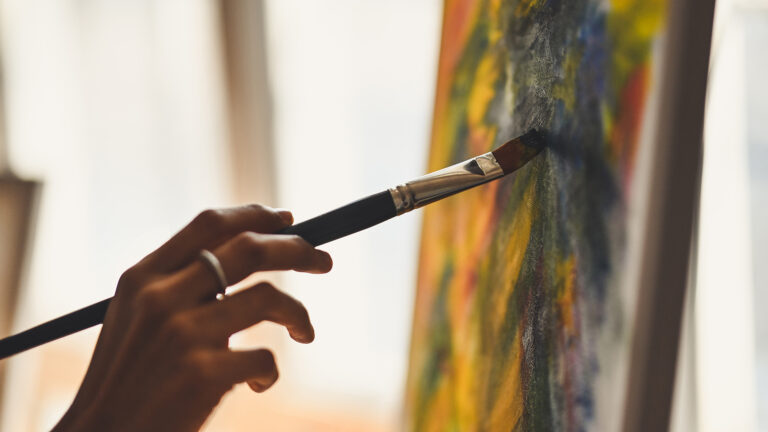
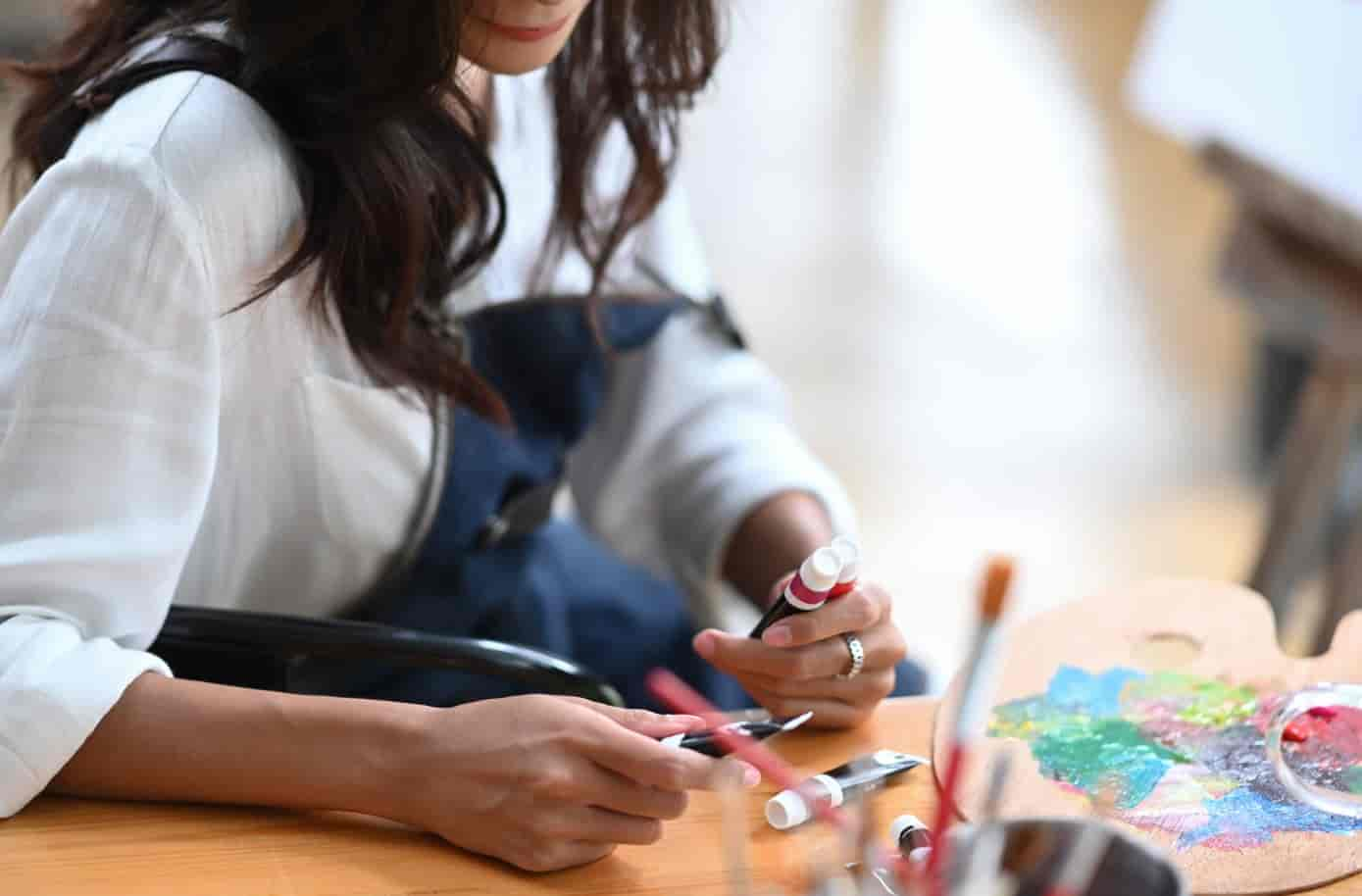

Coloring Confidence: Building Self-Esteem Through Artistic Expression

Recovery from addiction is not only about achieving sobriety; it is also about reclaiming one’s sense of self, building confidence, and developing emotional resilience. Many individuals in recovery struggle with low self-esteem due to past experiences, trauma, or the challenges of addiction itself. At Mandan Art, we have seen firsthand how artistic expression can be a transformative tool to help clients rebuild confidence and embrace their strengths. Through creativity, individuals can explore emotions, celebrate accomplishments, and reinforce a positive self-image.

Understanding Self-Esteem in Recovery

Self-esteem plays a critical role in addiction recovery. Individuals with low self-worth may feel unworthy of success, support, or happiness, making them more vulnerable to relapse. Mandan Art provides comprehensive addiction recovery services, mental health treatment, and both inpatient and outpatient care, all designed to address the physical, emotional, and spiritual aspects of healing. Our holistic, faith-based, and individualized approach ensures that clients receive personalized guidance to rebuild confidence while maintaining long-term sobriety.

Art therapy is a powerful avenue for cultivating self-esteem because it allows clients to externalize their feelings, take pride in accomplishments, and witness tangible evidence of their growth.

How Artistic Expression Builds Confidence

Providing a Safe Outlet for Self-Expression

Many individuals in recovery find it difficult to articulate their emotions verbally. Artistic expression allows clients to communicate feelings, experiences, and aspirations safely and creatively. Through painting, drawing, or crafting, individuals can explore their inner world without fear of judgment, fostering self-awareness and self-acceptance.

Celebrating Achievements

Completing an artwork—no matter the skill level—offers a tangible accomplishment. Each piece becomes a milestone, reinforcing the client’s ability to set goals, overcome challenges, and create something meaningful. These successes, however small, are essential in building self-confidence and a positive mindset.

Encouraging Mindfulness and Emotional Regulation

Engaging in creative practices promotes mindfulness by focusing attention on the present moment. Whether coloring, sculpting, or painting, this immersive process helps regulate emotions, reduce stress, and cultivate patience. These skills directly support self-esteem by teaching clients that they can manage challenges with composure and creativity.

Fostering Connection and Recognition

Art can also be shared with peers, therapists, or support groups, fostering a sense of community and validation. Receiving feedback and acknowledgment for creative work strengthens self-worth and reinforces the belief that each individual’s voice and perspective matter.

Integrating Art into Holistic Recovery Programs

At Mandan Art, art therapy is an essential part of our holistic treatment programs. It complements counseling, faith-based support, and wellness practices to address mental, emotional, and spiritual well-being. Both inpatient and outpatient clients are encouraged to incorporate creative expression regularly, helping them develop confidence, resilience, and a sense of personal accomplishment.

Practical Tips for Using Art to Build Self-Esteem

  • Engage regularly: Even brief daily sessions of drawing, painting, or coloring can enhance confidence.
  • Prioritize expression over perfection: Focus on conveying feelings rather than creating flawless artwork.
  • Reflect on progress: Review completed projects to acknowledge growth and achievements.
  • Explore different mediums: Experiment with painting, sketching, or crafts to find the most fulfilling method.
  • Share thoughtfully: Presenting artwork in therapy or group settings can enhance validation and community support.

Coloring a Confident Path to Recovery

Artistic expression is more than a creative activity—it is a therapeutic tool for building self-esteem, emotional resilience, and personal growth. At Mandan Art, we help clients harness the power of creativity to explore their emotions, celebrate accomplishments, and strengthen their confidence throughout recovery.

If you or a loved one are seeking holistic support to rebuild self-esteem and achieve lasting sobriety, reach out to Mandan Art today. Through creativity and self-expression, confidence and empowerment become achievable milestones on the path to lasting recovery.


Sculpting Sobriety: The Power of Hands-On Art in Healing

Recovery from addiction is a deeply personal journey that involves more than abstaining from substances. It requires emotional healing, mental clarity, and the development of new coping strategies. At Mandan Art, we understand that hands-on art—sculpting, pottery, and tactile creative practices—offers a powerful avenue for healing. By engaging directly with materials, clients can channel emotions, reduce stress, and cultivate resilience, transforming the recovery process into an empowering and therapeutic experience.

Understanding the Role of Hands-On Art in Recovery

Addiction often masks unresolved trauma, anxiety, or emotional pain. Addressing these underlying issues is critical to long-term sobriety. Mandan Art provides comprehensive addiction recovery services, mental health treatment, and both inpatient and outpatient care. Our holistic, faith-based, and individualized approach ensures that clients receive compassionate support tailored to their unique emotional and therapeutic needs.

Hands-on art allows individuals to engage physically and mentally with the creative process. This type of tactile engagement fosters mindfulness, encourages self-expression, and strengthens emotional regulation skills.

How Hands-On Art Supports Healing

Engaging the Mind and Body

Sculpting and other hands-on art forms require focus and physical involvement. This engagement redirects attention away from stressors, allowing clients to concentrate fully on the creative process. The rhythmic motion of shaping clay or molding materials provides a calming effect that can help reduce anxiety and enhance emotional balance.

Expressing Complex Emotions

Not all feelings can be expressed with words. Hands-on art allows clients to externalize emotions safely and constructively. By shaping materials into forms, clients can convey pain, frustration, or hope visually and tangibly. This externalization of emotion promotes self-awareness and provides a therapeutic outlet for processing experiences that may be difficult to articulate.

Building Confidence and Resilience

Completing a hands-on art project provides a tangible sense of accomplishment. Each sculpture or crafted piece becomes a symbol of effort, creativity, and progress. For individuals in recovery, these achievements reinforce self-esteem, encourage personal growth, and highlight their ability to overcome challenges.

Fostering Connection and Community

Group art sessions allow clients to share their creations, discuss creative processes, and reflect on their work collectively. This shared experience promotes empathy, understanding, and social connection—important elements in maintaining emotional support throughout recovery.

Integrating Hands-On Art into Holistic Recovery

At Mandan Art, hands-on creative practices are integrated into our broader recovery programs. Art therapy complements evidence-based counseling, faith-based guidance, and wellness activities, addressing emotional, mental, and spiritual needs simultaneously. Both inpatient and outpatient clients are encouraged to engage in regular creative sessions as part of their individualized treatment plans.

Practical Tips for Using Hands-On Art in Recovery

  • Start simple: Begin with small clay or craft projects to build comfort and confidence.
  • Focus on the process: Let creativity and emotion guide the work rather than aiming for perfection.
  • Reflect on your creation: Consider what the art reveals about your feelings, progress, and resilience.
  • Experiment with different materials: Explore clay, wood, or mixed media to find the most meaningful medium.
  • Share safely: Discuss your work in therapy or support groups to deepen insight and connection.

Shaping a Path to Lasting Sobriety

Hands-on art provides more than a creative outlet—it offers a transformative tool for healing, self-expression, and emotional growth. At Mandan Art, we guide clients in using tactile creative practices to manage stress, process emotions, and cultivate resilience throughout recovery.

If you or a loved one is seeking a compassionate, holistic approach to addiction treatment, reach out to Mandan Art today. Through sculpting, crafting, and hands-on creativity, sobriety becomes a tangible, empowering, and healing journey.


Crafting Clarity: How Creative Practices Enhance Mental Health in Recovery

Recovery from addiction is not solely about achieving sobriety; it also involves cultivating mental clarity, emotional balance, and a renewed sense of self. Many individuals in recovery face anxiety, depression, and lingering stress, which can hinder their journey toward lasting wellness. At Mandan Art, we understand the importance of addressing mental health alongside addiction treatment. Creative practices, such as art, writing, and hands-on crafts, provide an effective pathway to process emotions, reduce stress, and enhance overall mental well-being.

Understanding Mental Health in Recovery

Addiction and mental health are deeply interconnected. Substance use can mask underlying emotional struggles or exacerbate conditions like anxiety and depression. Effective recovery addresses both addiction and mental health simultaneously. Mandan Art offers comprehensive addiction recovery services, mental health treatment, and both inpatient and outpatient care. Our holistic, faith-based, and individualized approach ensures that each client receives tailored support designed to promote emotional, psychological, and spiritual healing.

Creative practices serve as a bridge between internal experiences and external expression, helping individuals navigate complex feelings and develop healthier coping strategies.

How Creative Practices Support Mental Health

Externalizing Emotions

Artistic and creative activities provide a safe space to express emotions that may be difficult to verbalize. Painting, drawing, journaling, or crafting allows clients to visualize their internal experiences, fostering insight and self-awareness. By externalizing feelings, individuals can confront, process, and release emotions in a constructive way.

Reducing Stress and Anxiety

Engaging in creative practices encourages mindfulness and presence. Focusing on the process of creation, whether shaping clay or sketching, helps shift attention away from worries or negative thought patterns. This mindful engagement reduces stress, eases anxiety, and provides a calming effect essential for maintaining mental balance during recovery.

Building Resilience and Self-Esteem

Completing a creative project instills a sense of accomplishment. For individuals in recovery, these small achievements reinforce self-confidence and highlight personal strengths. Each creative endeavor becomes a tangible reminder of resilience and the ability to overcome challenges.

Encouraging Connection and Expression

Creative practices can also enhance communication with therapists and peers. Sharing artwork or craft projects allows individuals to express emotions indirectly, fostering empathy, understanding, and connection within recovery programs. This sense of community reinforces emotional support, reducing feelings of isolation that often accompany addiction and mental health struggles.

Integrating Creativity Into Holistic Recovery

At Mandan Art, creative practices are an integral component of holistic recovery programs. Alongside counseling, faith-based support, and wellness activities, art and crafts provide clients with a structured and effective outlet for emotional expression. Both inpatient and outpatient programs encourage regular engagement with creative activities to strengthen coping skills, self-awareness, and emotional resilience.

Practical Ways to Incorporate Creative Practices

  • Schedule regular creative time: Even short sessions of sketching, journaling, or crafting can support mental clarity.
  • Prioritize expression over perfection: Focus on conveying feelings rather than creating flawless artwork.
  • Reflect on your creations: Consider what your projects reveal about your thoughts, emotions, and progress.
  • Explore multiple mediums: Experiment with paint, clay, collage, or writing to find what resonates most.
  • Share selectively: Discussing creative work with a therapist or support group can deepen insight and connection.

Enhancing Recovery Through Creativity

Mental clarity and emotional balance are essential components of lasting recovery. Creative practices provide a powerful, accessible, and compassionate way to support mental health, foster resilience, and navigate the emotional challenges of addiction recovery. At Mandan Art, we guide clients in using creativity as a tool for self-expression, reflection, and healing.

If you or a loved one is seeking holistic support for mental health and recovery, reach out to Mandan Art today. Through crafting, creating, and exploring emotions, clarity and well-being become achievable steps on the journey to lasting sobriety.


top