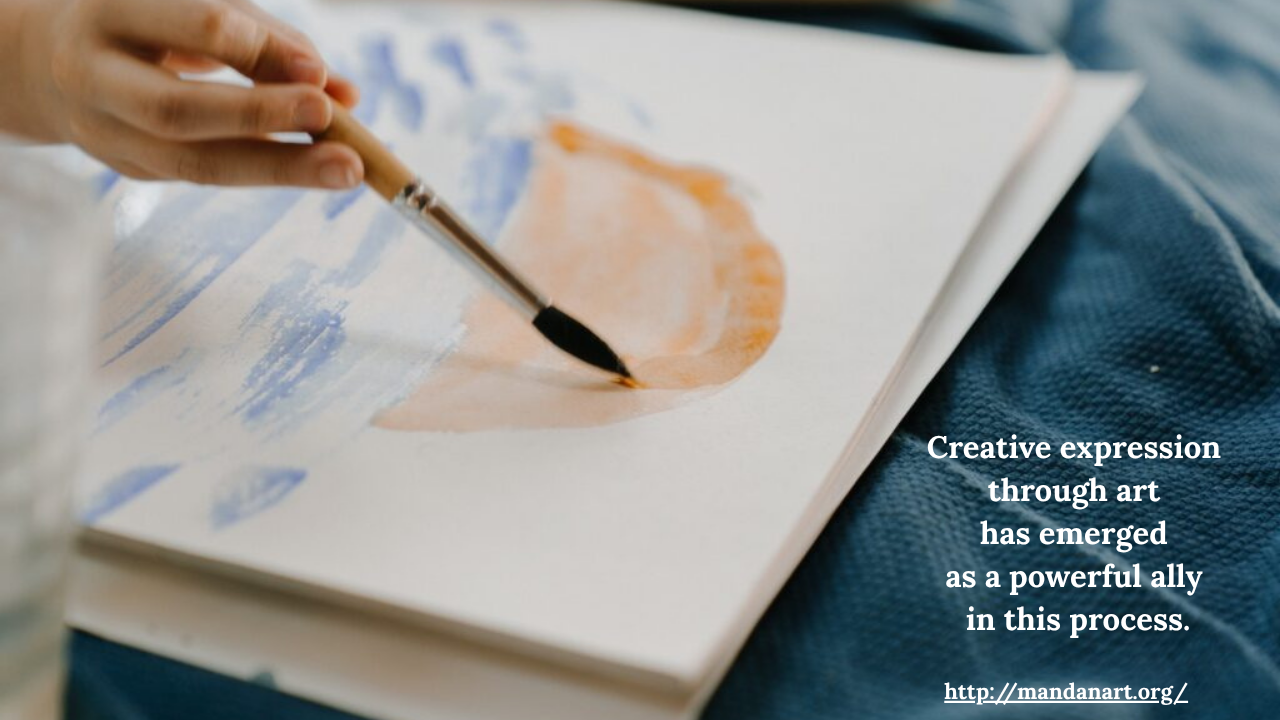
The journey of addiction recovery is complex, filled with emotional highs and lows, self-discovery, and personal growth. While traditional methods like counseling, group therapy, and medication remain foundational, creative expression—particularly through visual art—offers a powerful, often transformative path to healing. For many in recovery, art becomes more than just a pastime; it becomes a voice, a mirror, and a method for reclaiming control over their lives.
Art as a Nonverbal Outlet for Healing
Addiction is often rooted in deep emotional pain, trauma, or unresolved psychological struggles. Verbalizing these issues can be difficult, especially for individuals who have never felt safe expressing their inner turmoil. Creative expression provides an alternative route—one that bypasses the need for words. A brushstroke of red may speak of anger, while a gentle swirl of blue might reflect calm or sadness. Art enables individuals to communicate emotions too complex or painful to describe aloud.
By transforming thoughts and feelings into images, colors, and textures, recovering individuals begin to understand and process their experiences more fully. This nonverbal exploration can lead to powerful breakthroughs and a deeper connection to their emotional world.
The Therapeutic Role of Color and Creativity
Engaging in creative expression during recovery can lead to significant emotional regulation. Painting, drawing, or sculpting encourages mindfulness—drawing the mind away from cravings or negative self-talk and into the present moment. The act of creating can soothe anxiety, lift depression, and provide a much-needed escape from internal chaos.
Colors, in particular, play a vital role. Bright hues may reflect hope, while darker tones may help express grief or loss. The freedom to choose, mix, and apply colors allows participants to explore and process emotions without fear of judgment.
Building Confidence and Reclaiming Identity
Addiction often strips away a person’s self-esteem and sense of identity. Through art, individuals in recovery can rebuild these essential components. Completing a painting or project gives a sense of accomplishment. Each finished piece is a visible, tangible symbol of growth and progress.
Moreover, creative expression fosters autonomy and self-discovery. It encourages recovering individuals to ask, “Who am I without my addiction?” and gives them the freedom to explore answers in a supportive, empowering environment.
Creating Connection Through Shared Expression
In group settings, art therapy also promotes connection. When participants share their work, they often find common themes and emotions reflected in others’ creations. This shared vulnerability builds empathy and reduces isolation—both of which are critical in long-term recovery.
Conclusion
Creative expression is not a cure, but it is a deeply supportive companion in the recovery journey. It allows individuals to explore pain, express hope, and rebuild identity through color, form, and imagination. Whether used alone or as part of a structured therapy program, art offers recovering addicts a powerful way to heal—one brushstroke, one color, and one canvas at a time.