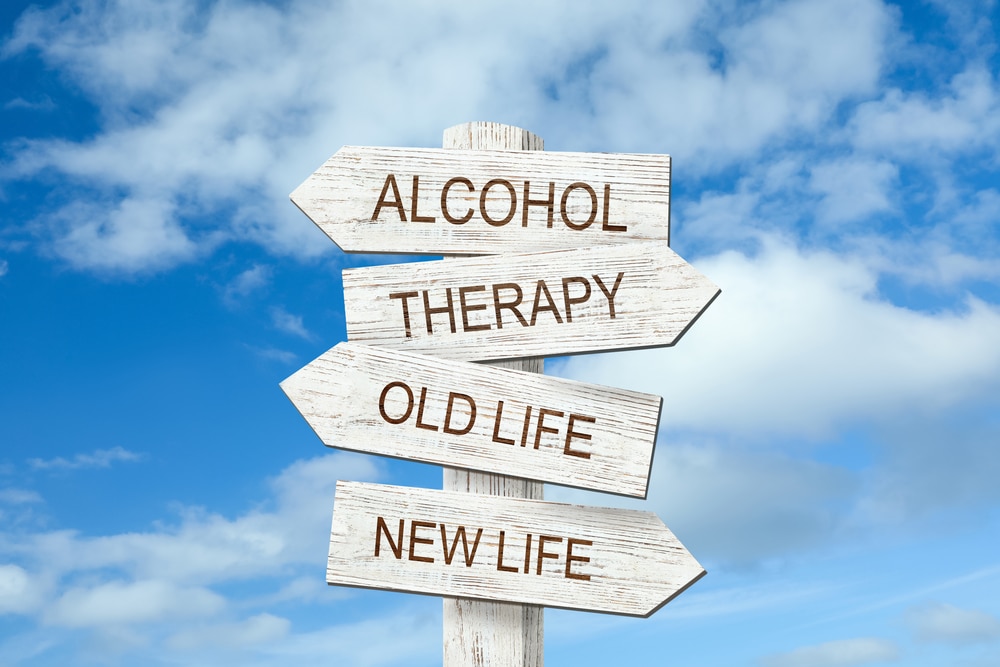
Sobriety is not just about quitting substances—it’s about reshaping one’s life, identity, and emotional well-being. In the process of addiction recovery, individuals often need tools that go beyond traditional therapy to explore their inner experiences and rebuild their lives. Artistic creation, especially forms like sculpture, painting, and mixed-media art, provides a powerful and hands-on way to support this transformation. By engaging in creative expression, those in recovery can give form to their feelings, process complex emotions, and shape a new, sober identity.
The Power of Creation in Recovery
Artistic creation is inherently therapeutic. It involves the mind, body, and spirit, making it a holistic approach to healing. For individuals recovering from addiction, the act of shaping something new with their hands mirrors their journey of reshaping their lives. Sculpting in particular—a tactile and immersive activity—can be especially effective in helping people stay grounded in the present and express emotions that words cannot capture.
When individuals create, they not only express but also confront. A lump of clay can become a representation of fear, hope, or transformation. This symbolic process helps individuals externalize inner struggles, view them more objectively, and begin the process of healing.
Benefits of Artistic Creation in Addiction Recovery
- Tactile Emotional Expression: Sculpting and other hands-on artistic activities offer a direct, physical outlet for expressing emotions. Touching, molding, and shaping materials can help release pent-up tension and provide a sense of control.
- Symbolic Processing of Trauma: Art allows individuals to create symbols and metaphors for their experiences. Sculptures can represent pain, resilience, or rebirth, offering a safe way to process trauma without re-traumatizing verbal recounting.
- Rebuilding Identity: Addiction often distorts a person’s sense of self. Creating art helps rebuild identity from a place of creativity and strength. Each completed piece is a testament to one’s ability to create something meaningful and lasting.
- Encouraging Presence and Mindfulness: Working with materials requires focus and concentration. This mindfulness quiets the mind, reduces stress, and helps individuals stay present—a crucial skill in relapse prevention.
- Fostering Achievement and Self-Worth: Completing an artistic project brings a sense of accomplishment. This boost in self-esteem reinforces the belief that recovery is possible and that the individual is capable of positive change.
Art in Rehabilitation Settings
Many addiction treatment programs now incorporate sculpture and other creative practices into their therapy offerings. Whether through individual sessions or group classes, participants are guided by art therapists to explore emotions, share experiences, and reflect on their artistic process. These sessions often complement traditional talk therapies, offering a fuller and more personalized recovery experience.
Group sculpture sessions also promote connection and communication, building a sense of community that supports long-term sobriety. Witnessing others’ creative journeys fosters empathy and shared strength.
Conclusion
Sculpting sobriety is more than a metaphor—it’s a literal and emotional act of transformation. Through artistic creation, individuals in recovery find ways to express what words cannot, confront their past, and shape a healthier, sober future. In the journey of healing, art becomes not only a form of expression but also a powerful tool for renewal, resilience, and lasting change.