Creative Sobriety

Using Art Therapy to Treat Addiction

This content shows Simple View

Uncategorized

The Art of Letting Go: Creativity as a Coping Mechanism in Recovery

Recovery from addiction is not just about breaking free from harmful substances. It is about learning new ways to cope with stress, regulate emotions, and rebuild a meaningful life. For many people, creativity provides a powerful outlet for release, reflection, and renewal. At Mandan Art, we see how artistic expression helps individuals let go of burdens they have carried for too long and find healthier ways to move forward.

Why Coping Skills Matter in Recovery

Healing from addiction involves addressing both the physical and emotional aspects of the disease. Without healthy coping strategies, stress, triggers, and unresolved emotions can make it harder to maintain sobriety. This is why Mandan Art offers comprehensive services that include addiction recovery programs, mental health treatment, and both inpatient and outpatient care. Each program is grounded in holistic, faith-based, and individualized approaches, ensuring that every client receives the tools they need to thrive.

Creative expression is one of those tools. By using art as a coping mechanism, individuals can process emotions that might feel overwhelming while also finding peace in the act of creating.

How Creativity Supports Letting Go

Releasing Emotions Safely

When emotions build up, they can become overwhelming. Art provides a safe outlet for those feelings. Whether painting, drawing, or sculpting, the act of creating allows individuals to externalize stress, anger, sadness, or fear. Putting those emotions onto a canvas or page makes them easier to release instead of holding them inside.

Finding Calm in the Process

Creative activities require focus and presence. This encourages mindfulness, which helps calm racing thoughts and ease anxiety. The repetitive motions of painting, sketching, or shaping clay can be grounding, creating a rhythm that soothes the nervous system.

Building Resilience Through Self-Expression

Each piece of art becomes a tangible reminder of growth and resilience. Even when life feels uncertain, the ability to create something meaningful fosters confidence and reinforces the belief that change is possible. This sense of accomplishment strengthens recovery and helps clients let go of self-doubt.

Reframing the Recovery Journey

Through creativity, clients can reimagine their own stories. Art allows them to transform painful memories into symbols of survival and strength. This reframing helps shift focus from the past to the possibilities of the future.

Integrating Creativity into Holistic Care at Mandan Art

At Mandan Art, art therapy is an integral part of a holistic healing plan. It works alongside counseling, medical support, faith-based guidance, and other therapeutic services. Whether clients are in inpatient or outpatient care, they are encouraged to use creative outlets as part of their daily recovery practices. By weaving art into treatment, we ensure that healing addresses the whole person—mind, body, and spirit.

Practical Ways to Use Art as a Coping Tool

  • Start with small projects: Sketch or doodle daily to build consistency.
  • Focus on the process, not the product: Let emotions guide your art instead of aiming for perfection.
  • Experiment with different mediums: Try painting, collage, or sculpture to see what resonates.
  • Reflect after creating: Ask yourself how the art reflects your inner state.
  • Share your art when ready: Discussing your work in therapy or group settings can deepen understanding and connection.

Embracing Freedom Through Creativity

Letting go is one of the hardest parts of recovery, but it is also one of the most freeing. Creativity provides a pathway to release what no longer serves you and to embrace a healthier, more hopeful future. At Mandan Art, we believe in the healing power of expression and are dedicated to helping individuals discover creative coping mechanisms that support long-term sobriety.

If you or a loved one is ready to begin the journey toward recovery, reach out to Mandan Art today. Your path to healing can start with a single brushstroke, and with each step, you move closer to freedom and
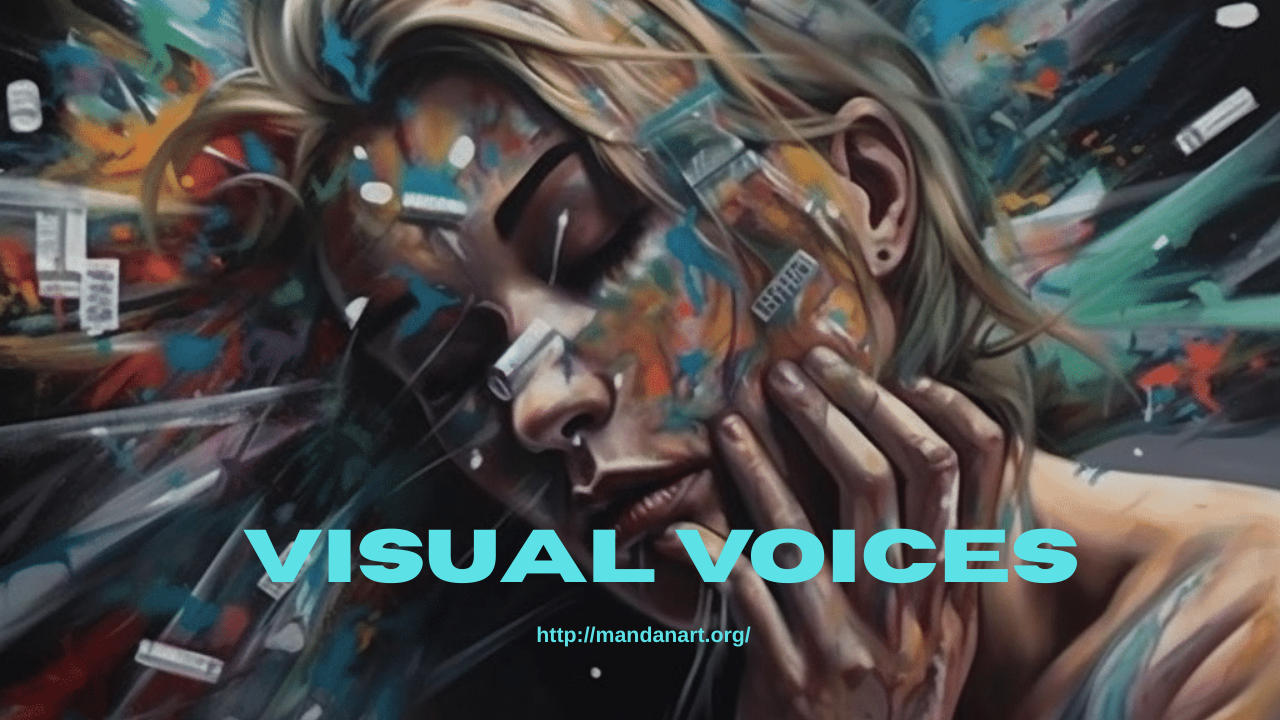
Visual Voices: How Art Helps Addicts Speak the Unspeakable

Addiction often leaves individuals carrying pain that feels too heavy to explain. For many, words are not enough to capture the depth of their emotions, traumas, or struggles. This silence can make recovery even more challenging. At Mandan Art, we understand that healing requires more than talk. Through art therapy, clients discover a powerful way to give voice to what has long remained unspoken. By turning inner experiences into visual expression, individuals find clarity, strength, and a renewed sense of hope.

Why Expression Matters in Recovery

Recovery is not only about ending substance use. It is also about addressing the emotional wounds and unresolved struggles that often fuel addiction. When people are unable to share their emotions verbally, those feelings can remain bottled up, increasing stress and vulnerability to relapse. Art therapy provides a safe and creative way to release those emotions, making it an essential part of the healing process.

At Mandan Art, our programs combine addiction recovery services, mental health treatment, and holistic care. We offer both inpatient and outpatient options, always tailored to each person’s unique needs. Our approach integrates faith-based and individualized methods, ensuring that every client feels supported on their journey.

The Role of Art in Giving Emotions a Voice

Art as an Emotional Outlet

Art gives people a chance to release feelings that are difficult to say aloud. Whether painting, drawing, or sculpting, creative work becomes a language of its own. This process helps individuals explore pain, grief, joy, and hope in ways that feel safe and empowering.

Breaking the Silence of Trauma

For many clients, trauma is at the core of their addiction. Discussing these memories in traditional talk therapy can feel overwhelming. Art therapy allows for gradual exploration, making it easier to process painful experiences without re-traumatization. The artwork itself becomes a testimony of survival and strength.

Building Self-Confidence Through Creativity

Every completed piece of art serves as proof of progress. Clients begin to see that they are capable of creating something meaningful, which builds self-worth and reinforces the belief that recovery is possible. These small victories create momentum toward long-term sobriety.

Creating Connections in Group Settings

In group art sessions, clients often share their creations with others. This fosters empathy and understanding, helping to reduce feelings of isolation. By visually expressing their emotions, clients invite connection and support from peers who may be experiencing similar struggles.

Integrating Art into Holistic Healing

Mandan Art believes in treating the whole person. Art therapy is not a replacement for counseling or medical treatment but a complement that strengthens emotional resilience. Alongside evidence-based therapies, faith-based guidance, and wellness practices, art therapy helps create balance and holistic healing. This approach ensures that individuals leave treatment not only sober but also emotionally stronger and more self-aware.

Practical Tips to Begin Expressing Through Art

  • Start simple: A pencil and paper are enough to begin.
  • Let feelings guide you: Focus on emotions, not technical skill.
  • Reflect afterward: Ask yourself what the art reveals about your inner state.
  • Make it consistent: Set aside time daily or weekly to create.
  • Share when ready: Showing your art to a trusted friend or therapist can deepen understanding.

Finding Your Visual Voice

Addiction recovery is about more than breaking free from substances. It is about rediscovering the ability to live fully, to feel deeply, and to express honestly. At Mandan Art, we believe that no emotion should remain locked away in silence. Through art therapy, clients find their voice without words and create a path toward emotional freedom and lasting sobriety.

If you or a loved one is seeking help, we invite you to explore how Mandan Art can guide you through a compassionate, individualized recovery process. Your healing story deserves to be seen, felt, and shared. Reach out today to begin your journey.


Healing Without Words: Art Therapy’s Impact on Emotional Recovery from Addiction

Addiction recovery is often described as a journey of rebuilding mind, body, and spirit. While traditional therapy and medical treatment are critical parts of healing, there are times when words alone are not enough. For many individuals, art therapy becomes the bridge between unspoken pain and emotional recovery. At Mandan Art, we believe that creativity has the power to unlock hidden emotions, ease suffering, and guide people toward lasting sobriety.

Why Emotional Recovery Matters in Addiction Treatment

Breaking free from addiction is not only about physical detox. Emotional recovery plays an equally important role. Many people struggling with addiction carry deep wounds, unresolved trauma, or overwhelming feelings that can fuel substance use. Without addressing these emotional roots, lasting sobriety can be difficult to achieve.

This is why Mandan Art offers a full spectrum of services, including addiction recovery programs, mental health treatment, and both inpatient and outpatient care. Our holistic and faith-based approach ensures that every client receives personalized care that treats the whole person, not just the symptoms of addiction.

The Role of Art Therapy in Recovery

Expression Beyond Words

Some emotions are too complex or painful to put into words. Through painting, drawing, or sculpture, individuals can express feelings that may otherwise remain buried. This process provides relief and helps clients make sense of their experiences in a safe and nonjudgmental way.

Processing Trauma and Pain

Addiction often develops as a response to unresolved trauma. Art therapy gives clients the opportunity to revisit painful memories in a controlled and creative setting. Instead of being overwhelmed by the past, they can process it at their own pace, translating emotions into color, shape, and form.

Building Confidence and Self-Worth

Creating art fosters a sense of accomplishment. Each completed piece becomes a symbol of progress, reminding clients that they are capable of building something meaningful. This renewed sense of self-worth is an important building block for a healthy and sober future.

Stress Relief and Mindfulness

Engaging in art requires focus, which naturally shifts attention away from cravings, anxiety, or fear. This practice of mindfulness allows individuals to live in the present moment, promoting calm and reducing the stress that can trigger relapse.

How Mandan Art Integrates Creativity into Care

At Mandan Art, art therapy is not a stand-alone practice. It is woven into a comprehensive care plan that includes counseling, faith-based support, and evidence-based therapies. Whether in inpatient or outpatient programs, clients are encouraged to use creative outlets as part of their recovery journey. This combination ensures that every aspect of healing—physical, emotional, mental, and spiritual—is nurtured.

Practical Ways to Use Art for Healing

  • Start a daily sketchbook: Use drawing as a journal to track emotions.
  • Experiment with color: Notice how different colors reflect mood and energy.
  • Join a group session: Sharing artwork builds community and reduces feelings of isolation.
  • Reflect after creating: Spend time understanding what your art reveals about your healing process.

Taking the Next Step Toward Healing

Recovery is not just about leaving addiction behind—it is about rediscovering joy, peace, and purpose. Art therapy offers a powerful way to heal the emotions that words cannot always capture. At Mandan Art, we are committed to walking beside you with compassion, professionalism, and care tailored to your unique journey.

If you or someone you love is ready to begin the path to sobriety, reach out to Mandan Art today. Healing without words is possible, and your recovery can become a masterpiece of strength and renewal.


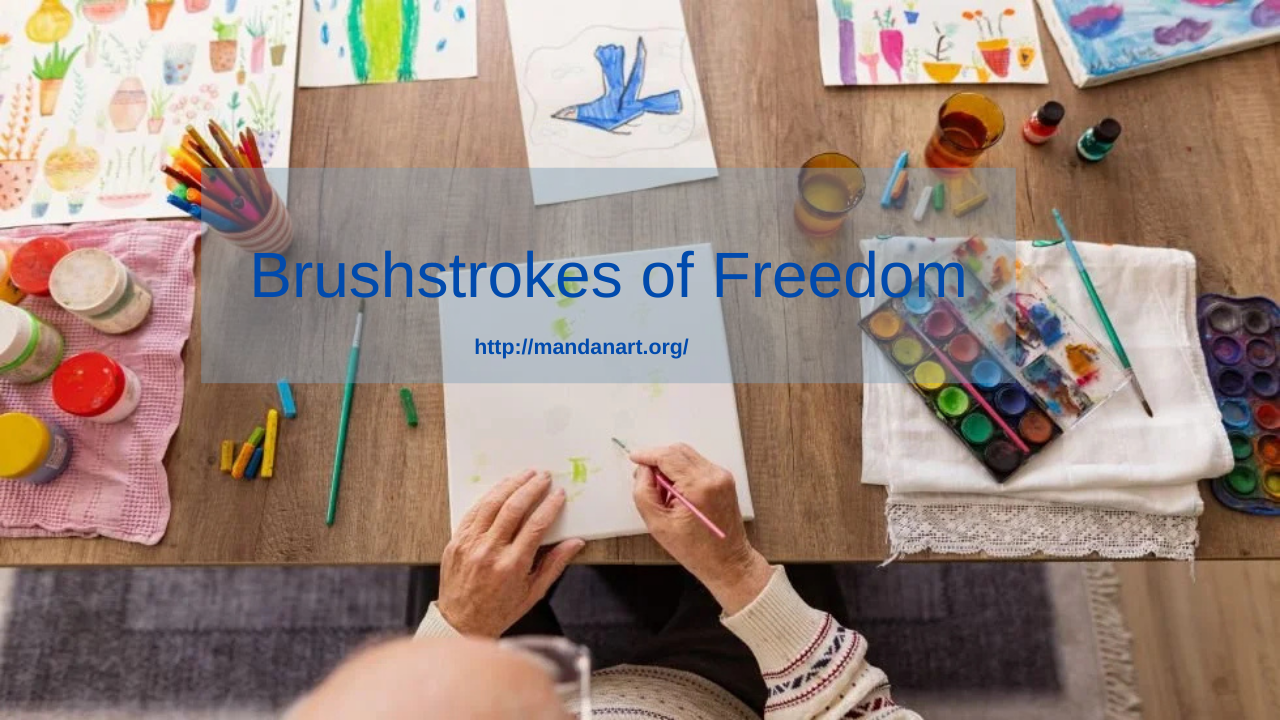
Brushstrokes of Freedom: Artistic Expression as a Recovery Tool

Addiction often silences the soul, leaving individuals feeling disconnected and overwhelmed. At Mandan Art, we believe in the transformative power of creative expression to help individuals reclaim their voice and navigate the path to sobriety. Through art therapy, clients can explore their emotions, confront past traumas, and build a resilient foundation for lasting recovery.

The Healing Power of Art Therapy

Art therapy is more than just creating; it’s about connecting with one’s inner self in a meaningful way. At Mandan Art, we integrate art therapy into our comprehensive addiction recovery services, which include inpatient and outpatient care, mental health treatment, and holistic, faith-based approaches. This integration allows clients to express feelings that might be difficult to articulate, facilitating emotional release and self-discovery.

How Art Therapy Supports Recovery

  1. Emotional Expression and Processing

Art provides a non-verbal outlet for individuals to express complex emotions. Whether through painting, drawing, or sculpture, clients can externalize feelings of anger, sadness, or fear, making them more manageable and less overwhelming.

  1. Building Self-Esteem and Identity

Engaging in creative activities fosters a sense of accomplishment and self-worth. Completing an art project can boost confidence and help individuals reconnect with their sense of identity beyond addiction.

  1. Stress Reduction and Mindfulness

The process of creating art encourages mindfulness, helping clients focus on the present moment and reduce anxiety. This practice can serve as a healthy coping mechanism for stress and cravings.

  1. Enhancing Communication Skills

Art therapy can improve communication by providing alternative ways to express thoughts and feelings. This is particularly beneficial for individuals who find it challenging to verbalize their experiences.

Integrating Art into Holistic Recovery

At Mandan Art, we understand that recovery is a multifaceted journey. Our holistic approach combines art therapy with other therapeutic modalities, including cognitive-behavioral therapy (CBT), group counseling, and spiritual guidance. This comprehensive treatment plan addresses the mind, body, and spirit, promoting overall well-being and long-term sobriety.

Embrace the Journey

Recovery is a personal and transformative journey. At Mandan Art, we are committed to supporting individuals as they rediscover their inner strength and creativity. Through art therapy, clients can find healing, build resilience, and embrace a future filled with hope and possibility.

If you or a loved one is seeking support on the path to recovery, consider exploring the benefits of art therapy at Mandan Art. Our compassionate team is here to guide you every step of the way.


Canvas of Change: Using Art to Navigate the Path to Sobriety

When addiction clouds your world and words fail to express the weight you carry, art can become the language of healing. At Mandan Art, we know that creative expression is more than a therapeutic tool—it is a bridge to recovery. Through painting, drawing, and other forms of visual art, individuals find a way to expose the darkness inside and begin recovering clarity, hope, and purpose.

A Compassionate Approach to Healing

Mandan Art offers addiction recovery services, mental health treatment, inpatient and outpatient care, all delivered through individualized, faith-based, and holistic approaches. Art therapy complements every level of care we provide, helping clients reclaim their identity and rebuild emotional strength in ways that traditional therapy alone cannot. This client-centered model respects your personal journey—spiritual, emotional, and clinical—and meets you with compassion at every step. mandanart.org

Why Art Makes a Difference in Recovery

Art Lets You Speak When Words Fall Short

When emotional pain runs deep, it is often hard to put feelings into words. Art provides a powerful alternative. By choosing colors, shapes, and textures, individuals externalize what they may not yet fully understand—or feel safe expressing verbally. Through this process, healing insights surface organically.

Art Brings Mindfulness and Emotional Relief

Creating art draws focus into the present moment. The act of painting or sketching requires attention and calm, which naturally reduces stress and anxiety. That pause in emotional turbulence gives breathing space—a moment to rest from cravings and doubt.

Art Reinforces Self-Worth and Recovery Identity

Completing a creative project builds confidence. It sends a clear message: you are capable. Art lets clients see a tangible symbol of progress. In each stroke is an act of recovery. In each image is a piece of the sober identity taking shape.

Art Builds Coping Tools Beyond Treatment

Creativity becomes something one turns to in times of emotional distress. Instead of turning to substances, clients learn to turn to art. That shift opens a new, healthier way to manage stress or triggers throughout life.

Art Creates Connection and Community

In group art sessions, sharing creations creates empathy and belonging. Clients discover they are not alone, and together, community forms. This shared expression builds strength and hope for long-term recovery.

How Mandan Art Integrates Creativity into Care

Inpatient and Outpatient Settings

Whether inside our residential units or during outpatient treatment, we offer art therapy in a supportive setting. Clients may work on guided projects or explore free-form artistic expression under the care of trained therapists. This flexibility makes art therapy accessible and practical at every stage.

Holistic, Faith-Based, and Personalized Care

Clients receive personalized support rooted in holistic and faith-based values. Art therapy complements faith conversations, prayer, mindfulness, yoga, nutrition, and traditional therapies. It offers a unique way to integrate spiritual, emotional, and mental healing—all part of rebuilding a life in recovery. mandanart.org

Practical Tips for Art-Based Recovery

  • Start Simple
    Choose basic materials—colored pencils, watercolors, magazines for collages. The goal is expression, not perfection.
  • Focus on Emotion, Not Technique
    Let the colors and shapes tell your story. There is no right or wrong in how you express what you feel.
  • Reflect and Release
    After creating art, take a moment to look closely at what you made. What feelings emerge? How did the process feel?
  • Use Art in Daily Recovery
    Keep a small sketchbook or pack a portable art kit. In moments of stress, let creativity become your outlet.
  • Share When You Are Ready
    If you feel safe, sharing your artwork with a trusted therapist or peer can deepen connection and insight.

Take the Next Step on Your Canvas of Change

Recovery is a journey, not a destination. With Mandan Art, creative expression becomes a guiding light—helping you navigate the path to sobriety with understanding, clarity, and gentle strength. You do not have to face this journey alone.

If you or someone you care about is seeking support, consider how art therapy can be part of a compassionate, holistic, and personalized recovery plan. Reach out to Mandan Art today to explore how creativity can transform your healing journey. Your canvas of change awaits—and with each stroke, you draw closer to a life of hope, purpose, and lasting recovery.


Drawing Out the Darkness: The Therapeutic Role of Art in Addiction Treatment

When addiction feels overwhelming and sorrow becomes silent Art can offer a new way forward. At Mandan Art (mandanart.org), we believe creative expression is more than a hobby—it is a trusted companion in recovery. Through art therapy individuals begin to draw out pain emotion and chaos in a safe environment guided by compassionate professional care.

The Healing Promise of Art Therapy

At Mandan Art our addiction recovery services include faith‑based mental health treatment, individualized therapy plans inpatient and outpatient care and holistic support. Art therapy fits naturally within this comprehensive model because it honors the whole person—body mind and spirit.

Art bypasses words when emotions feel too heavy. It helps clients externalize fear shame grief and trauma using color form and symbolism. That process often leads to healing breakthroughs beyond what talk therapy alone can offer.

How Mandan Art Integrates Creativity into Recovery

Inpatient and Outpatient Expression

Whether in our inpatient residential units or outpatient care settings Mandan Art offers structured art sessions alongside traditional therapy. Clients might explore mandala drawing collage painting or self‑portrait work guided by trained art therapists trained in addiction recovery.

A Holistic and Faith-Based Approach

Each client receives individualized guidance that may include spiritual support mindfulness techniques meditation yoga nutrition and artistic creation. This holistic approach helps rebuild identity restore hope and balance emotion—spiritually emotionally and physically.

Why Creative Expression Accelerates Healing

1. Emotional Awareness Without Words

Many clients struggle to name negative or traumatic experiences. Art gives form to internal turmoil making it visible and manageable. Choosing color shape and texture becomes an act of self‑exploration and honest expression.

2. Stress Reduction and Mindful Presence

Engaging in art brings clients into the moment. It reduces anxiety and cravings by shifting focus away from distress and toward creative process and sensory experience.

3. Growing Self‑Esteem and Identity

Each completed artwork becomes a symbol of progress recovery and creative mastery. Many clients rediscover strength and self‑worth when they see their recovery journey reflected visually.

4. Building Coping Tools for Lasting Sobriety

Art becomes a healthy outlet clients can use after discharge whenever they feel triggered stressed or stuck. It fosters constructive self‑soothing habits to replace addictive behaviors.

5. Community in Shared Creation

Group art therapy sessions foster empathy and connection. Sharing art and insights builds trust and mutual support—reminding clients they are not alone in their journey.

Art Therapy Meets Clinical Best Practice

Mandan Art brings art therapy together with evidence‑based treatments such as CBT motivational interviewing dialectical behavior therapy trauma‑informed care and relapse prevention planning. Licensed clinicians integrate creative approaches into each client’s custom recovery plan.

A Journey of Recovery One Brushstroke at a Time

Creative expression is not separate from healing—it is integral to our client‑centered model. At Mandan Art individuals learn to translate emotions into art confront trauma in visual form and reclaim identity beyond substance use.

Conclusion: Take the Next Step Toward Healing

If addiction or mental health struggle has dimmed your voice consider art as a gateway back to yourself hope and clarity. Mandan Art offers compassionate guidance expert care and a heartfelt faith‑based community. You do not have to walk recovery alone.

Reach out today to learn how art therapy can be part of your healing journey. Recovery is possible. Redemption is possible. Creativity can help you draw out the darkness and step into a vibrant future.


Colors of Recovery: How Creative Expression Supports Addiction Healing

The journey of addiction recovery is complex, filled with emotional highs and lows, self-discovery, and personal growth. While traditional methods like counseling, group therapy, and medication remain foundational, creative expression—particularly through visual art—offers a powerful, often transformative path to healing. For many in recovery, art becomes more than just a pastime; it becomes a voice, a mirror, and a method for reclaiming control over their lives.

Art as a Nonverbal Outlet for Healing

Addiction is often rooted in deep emotional pain, trauma, or unresolved psychological struggles. Verbalizing these issues can be difficult, especially for individuals who have never felt safe expressing their inner turmoil. Creative expression provides an alternative route—one that bypasses the need for words. A brushstroke of red may speak of anger, while a gentle swirl of blue might reflect calm or sadness. Art enables individuals to communicate emotions too complex or painful to describe aloud.

By transforming thoughts and feelings into images, colors, and textures, recovering individuals begin to understand and process their experiences more fully. This nonverbal exploration can lead to powerful breakthroughs and a deeper connection to their emotional world.

The Therapeutic Role of Color and Creativity

Engaging in creative expression during recovery can lead to significant emotional regulation. Painting, drawing, or sculpting encourages mindfulness—drawing the mind away from cravings or negative self-talk and into the present moment. The act of creating can soothe anxiety, lift depression, and provide a much-needed escape from internal chaos.

Colors, in particular, play a vital role. Bright hues may reflect hope, while darker tones may help express grief or loss. The freedom to choose, mix, and apply colors allows participants to explore and process emotions without fear of judgment.

Building Confidence and Reclaiming Identity

Addiction often strips away a person’s self-esteem and sense of identity. Through art, individuals in recovery can rebuild these essential components. Completing a painting or project gives a sense of accomplishment. Each finished piece is a visible, tangible symbol of growth and progress.

Moreover, creative expression fosters autonomy and self-discovery. It encourages recovering individuals to ask, “Who am I without my addiction?” and gives them the freedom to explore answers in a supportive, empowering environment.

Creating Connection Through Shared Expression

In group settings, art therapy also promotes connection. When participants share their work, they often find common themes and emotions reflected in others’ creations. This shared vulnerability builds empathy and reduces isolation—both of which are critical in long-term recovery.

Conclusion

Creative expression is not a cure, but it is a deeply supportive companion in the recovery journey. It allows individuals to explore pain, express hope, and rebuild identity through color, form, and imagination. Whether used alone or as part of a structured therapy program, art offers recovering addicts a powerful way to heal—one brushstroke, one color, and one canvas at a time.


Sculpting Sobriety: How Artistic Creation Aids the Addiction Healing Process

Sobriety is not just about quitting substances—it’s about reshaping one’s life, identity, and emotional well-being. In the process of addiction recovery, individuals often need tools that go beyond traditional therapy to explore their inner experiences and rebuild their lives. Artistic creation, especially forms like sculpture, painting, and mixed-media art, provides a powerful and hands-on way to support this transformation. By engaging in creative expression, those in recovery can give form to their feelings, process complex emotions, and shape a new, sober identity.

The Power of Creation in Recovery

Artistic creation is inherently therapeutic. It involves the mind, body, and spirit, making it a holistic approach to healing. For individuals recovering from addiction, the act of shaping something new with their hands mirrors their journey of reshaping their lives. Sculpting in particular—a tactile and immersive activity—can be especially effective in helping people stay grounded in the present and express emotions that words cannot capture.

When individuals create, they not only express but also confront. A lump of clay can become a representation of fear, hope, or transformation. This symbolic process helps individuals externalize inner struggles, view them more objectively, and begin the process of healing.

Benefits of Artistic Creation in Addiction Recovery

  1. Tactile Emotional Expression: Sculpting and other hands-on artistic activities offer a direct, physical outlet for expressing emotions. Touching, molding, and shaping materials can help release pent-up tension and provide a sense of control.
  2. Symbolic Processing of Trauma: Art allows individuals to create symbols and metaphors for their experiences. Sculptures can represent pain, resilience, or rebirth, offering a safe way to process trauma without re-traumatizing verbal recounting.
  3. Rebuilding Identity: Addiction often distorts a person’s sense of self. Creating art helps rebuild identity from a place of creativity and strength. Each completed piece is a testament to one’s ability to create something meaningful and lasting.
  4. Encouraging Presence and Mindfulness: Working with materials requires focus and concentration. This mindfulness quiets the mind, reduces stress, and helps individuals stay present—a crucial skill in relapse prevention.
  5. Fostering Achievement and Self-Worth: Completing an artistic project brings a sense of accomplishment. This boost in self-esteem reinforces the belief that recovery is possible and that the individual is capable of positive change.

Art in Rehabilitation Settings

Many addiction treatment programs now incorporate sculpture and other creative practices into their therapy offerings. Whether through individual sessions or group classes, participants are guided by art therapists to explore emotions, share experiences, and reflect on their artistic process. These sessions often complement traditional talk therapies, offering a fuller and more personalized recovery experience.

Group sculpture sessions also promote connection and communication, building a sense of community that supports long-term sobriety. Witnessing others’ creative journeys fosters empathy and shared strength.

Conclusion

Sculpting sobriety is more than a metaphor—it’s a literal and emotional act of transformation. Through artistic creation, individuals in recovery find ways to express what words cannot, confront their past, and shape a healthier, sober future. In the journey of healing, art becomes not only a form of expression but also a powerful tool for renewal, resilience, and lasting change.


Healing Beyond Words: Art Therapy as a Tool for Emotional Recovery in Addiction

Addiction is rarely just about substances—it is often rooted in deep emotional pain, trauma, and unaddressed mental health struggles. While traditional therapy provides vital support, some emotions are too complex or painful to express through words alone. This is where art therapy offers a powerful and transformative tool. By providing a non-verbal outlet for expression, art therapy helps individuals in addiction recovery explore, process, and heal emotional wounds that contribute to substance use.

The Power of Non-Verbal Expression

In the journey of recovery, many individuals find it difficult to articulate the full extent of their feelings. Shame, guilt, grief, and fear often accompany addiction, and these emotions can be overwhelming to discuss in conventional therapy sessions. Art therapy offers a different path—one that allows these feelings to be expressed symbolically through color, shape, and form. Whether through drawing, painting, sculpting, or collage, individuals can externalize their inner struggles, creating visible representations of their emotional world.

How Art Therapy Supports Emotional Recovery

  1. Uncovering Hidden Emotions: Art helps individuals access parts of themselves that might be hidden even from their own conscious awareness. Through creative expression, suppressed emotions and memories often surface, offering opportunities for reflection and healing.
  2. Reducing Stress and Anxiety: The act of creating art is inherently calming. Focusing on artistic tasks promotes mindfulness, grounding individuals in the present moment and providing relief from stress, cravings, and anxious thoughts.
  3. Building Emotional Resilience: As individuals work through difficult emotions in their artwork, they build the skills needed to face challenges without turning to substances. Art therapy becomes a practice in managing emotions constructively and compassionately.
  4. Promoting Self-Compassion and Acceptance: Creating art allows individuals to see their experiences and emotions from a new perspective. This can foster a sense of self-compassion and acceptance, key components of emotional recovery and long-term sobriety.
  5. Encouraging Self-Discovery: Art therapy helps individuals reconnect with their authentic selves—beyond the identity shaped by addiction. It encourages exploration of values, hopes, and dreams that may have been overshadowed by substance use.

Art Therapy in Addiction Treatment Programs

Art therapy is increasingly offered as part of comprehensive addiction treatment programs. Sessions may involve guided themes—such as depicting the recovery journey or illustrating feelings about sobriety—or they may allow for open-ended creation. Art therapists support participants in both the creative process and the interpretation of their work, helping them connect their art to their emotional recovery.

Group art therapy can also enhance social connection, helping individuals feel less isolated in their struggles and more supported in their healing.

Conclusion

Healing from addiction requires more than words. Art therapy provides a unique avenue for emotional recovery, allowing individuals to express what they cannot say, process deep-seated pain, and build a foundation for lasting change. Through creativity, those in recovery find not only healing but also a renewed sense of identity, purpose, and hope.


Sketching a Sober Life: How Creative Outlets Aid in Addiction Treatment

Recovery from addiction is a deeply personal and complex journey that requires more than just abstaining from substances. For many, the path to sobriety involves confronting past trauma, rebuilding identity, and discovering new, healthier ways to cope with life’s challenges. Creative outlets such as drawing, painting, sculpting, and other forms of artistic expression are proving to be powerful allies in this process. These activities not only provide a therapeutic escape but also play a vital role in emotional healing and self-discovery.

The Role of Creativity in Recovery

Creative expression offers individuals in addiction treatment a non-verbal way to process emotions and experiences. Often, people in recovery have difficulty putting their thoughts and feelings into words. Art offers an alternative route to communicate what’s happening inside, revealing pain, hope, fear, and transformation in a visual form.

Art allows individuals to tell their stories without speaking, giving them control over their narrative. This sense of agency is crucial for those who have felt powerless in the face of addiction. Each piece of art becomes a stepping stone on the road to recovery, representing progress, insight, and resilience.

Benefits of Creative Outlets in Addiction Treatment

  1. Emotional Expression and Processing: Art provides a safe and constructive way to release pent-up emotions. It encourages individuals to face their feelings, process unresolved trauma, and express themselves in a healing environment.
  2. Stress Reduction and Mindfulness: Engaging in creative activities promotes mindfulness, grounding individuals in the present moment. This focus can help reduce anxiety, diminish cravings, and provide a healthy distraction from triggers.
  3. Boosting Self-Esteem: Completing a creative project can be incredibly empowering. It reminds individuals that they are capable of producing something beautiful and meaningful, helping rebuild confidence and self-worth that addiction may have diminished.
  4. Developing Healthy Coping Strategies: Creative outlets offer an alternative to destructive behaviors. When faced with stress or emotional pain, turning to art instead of substances becomes a positive and constructive coping mechanism.
  5. Encouraging Self-Reflection: Through interpreting their own artwork, individuals often gain insights into their thoughts, emotions, and behavior patterns. This increased self-awareness is key to maintaining sobriety and personal growth.

Implementing Creative Outlets in Treatment Programs

Many addiction treatment centers now incorporate art therapy and creative workshops into their programs. These sessions are often facilitated by trained therapists and may involve both guided projects and free-form creation. Group settings provide opportunities for connection, allowing individuals to share their work and experiences, fostering a sense of community and support.

Art therapy can also be integrated with other therapeutic modalities, such as cognitive-behavioral therapy or trauma-informed care, to enhance overall treatment outcomes. Whether it’s sketching emotions, painting personal journeys, or sculpting representations of change, creative outlets provide a holistic path to healing.

Conclusion

Sketching a sober life is about more than staying substance-free—it’s about rediscovering purpose, passion, and self-worth. Creative outlets offer recovering individuals the tools to express themselves, cope with challenges, and find joy in the journey. Through art, they can turn their struggles into stories of strength, painting a new picture of hope and lasting sobriety.


top