Creative Sobriety

Using Art Therapy to Treat Addiction

This content shows Simple View

From Pain to Purpose: How Art Therapy Strengthens Mind and Spirit in Recovery

Recovery from addiction is rarely a straight path. It often begins in pain, confusion, and emotional exhaustion. Yet within that struggle, there is also the possibility of transformation. One of the most powerful tools supporting this transformation is art therapy. Through creative expression, individuals in recovery can process deep emotions, rebuild inner strength, and reconnect with a sense of meaning. When integrated into addiction recovery and mental health treatment, art therapy helps turn pain into purpose and supports healing of both mind and spirit.

Understanding Art Therapy in Addiction Recovery

Art therapy is a therapeutic approach that uses creative activities such as painting, drawing, sculpture, and writing to support emotional and psychological healing. It is guided by trained professionals who help individuals explore thoughts and feelings that may be difficult to express in words.

In structured treatment settings, including inpatient and outpatient care, art therapy is often combined with counseling, mental health support, and holistic care plans. This integrated approach allows individuals to address addiction from multiple angles, not just behavior, but also emotion, identity, and spiritual well-being.

Why Creativity Supports Emotional Healing

Addiction is often rooted in unresolved emotional pain, trauma, or chronic stress. These experiences can feel overwhelming and difficult to articulate. Art therapy provides a safe outlet to externalize these emotions in a nonverbal way.

When individuals create art, they begin to give shape to internal experiences. This process can reduce emotional intensity, increase clarity, and help uncover patterns connected to substance use. Over time, creative expression supports emotional regulation and builds healthier coping skills.

Strengthening Mental Health Through Expression

Mental health and addiction are closely connected. Conditions such as anxiety, depression, and trauma often coexist with substance use disorders. Without proper support, these challenges can make recovery more difficult.

Art therapy supports mental health by encouraging mindfulness and emotional awareness. Engaging in creative work can calm the nervous system, reduce stress, and shift focus away from negative thought patterns. This makes it a valuable complement to traditional therapy and clinical treatment.

How Art Therapy Strengthens Mind and Spirit

Recovery is not only about healing the mind. It is also about restoring a sense of identity, purpose, and spiritual balance. Art therapy supports this deeper level of healing in meaningful ways.

Rebuilding Emotional Strength and Resilience

Creating art allows individuals to sit with their emotions in a controlled and supportive environment. This builds emotional tolerance and resilience over time.

Each creative session becomes an opportunity to process difficult feelings such as grief, anger, or shame. As individuals continue this work, they often develop greater emotional stability and confidence in their ability to cope with life’s challenges without returning to substance use.

Reconnecting With Identity and Purpose

Addiction can distort self-image and disconnect individuals from who they truly are. Art therapy helps rebuild identity by encouraging self-expression and reflection.

Through painting or writing, individuals can explore personal stories, values, and aspirations. This process supports a renewed sense of purpose, which is essential for long-term recovery. When people begin to see themselves beyond addiction, motivation for healing naturally grows stronger.

Supporting Spiritual and Holistic Healing

Many holistic and faith-based recovery programs recognize the importance of spiritual well-being. Art therapy can complement this by offering a reflective and grounding practice.

Creative expression can feel meditative. It encourages presence, gratitude, and introspection. For some individuals, it becomes a way to explore faith, meaning, and connection in a deeply personal and non-judgmental space.

Integrating Art Therapy Into Comprehensive Treatment

At MandanArt, addiction recovery is approached through individualized, compassionate care. This includes mental health treatment, inpatient and outpatient programs, and holistic support designed to meet the needs of each person.

Art therapy fits naturally into this model by offering a flexible and accessible form of healing. It can be structured or open-ended depending on the individual’s needs and comfort level.

Personalized Care for Individual Recovery Journeys

No two recovery journeys are the same. Some individuals benefit from guided creative exercises focused on emotional processing. Others find value in free expression that allows thoughts and feelings to emerge naturally.

This flexibility ensures that art therapy remains client-centered and supportive of each person’s unique path.

Building Connection Through Shared Expression

Group art therapy sessions also play an important role in recovery. Sharing creative work in a supportive environment helps reduce isolation and builds connection.

These shared experiences foster trust, empathy, and encouragement among participants. This sense of community can be a powerful protective factor in maintaining long-term sobriety.

Practical Benefits of Art Therapy in Recovery

Art therapy provides practical tools that support everyday life in recovery. It helps individuals manage stress, improve focus, and develop healthy coping strategies.

It also builds confidence through accomplishment. Completing a creative piece reinforces a sense of progress and self-worth, which are essential for sustaining motivation in recovery.

Conclusion: Turning Pain Into Purpose Through Creativity

Recovery is not just about letting go of addiction. It is about building a life rooted in meaning, strength, and emotional balance. Art therapy offers a powerful pathway for this transformation by helping individuals process pain, reconnect with identity, and strengthen both mind and spirit.

If you or someone you love is seeking support for addiction or mental health challenges, compassionate help is available. MandanArt provides individualized, holistic treatment designed to support healing at every level. Reaching out can be the first step toward turning pain into purpose and building a healthier, more fulfilling future.
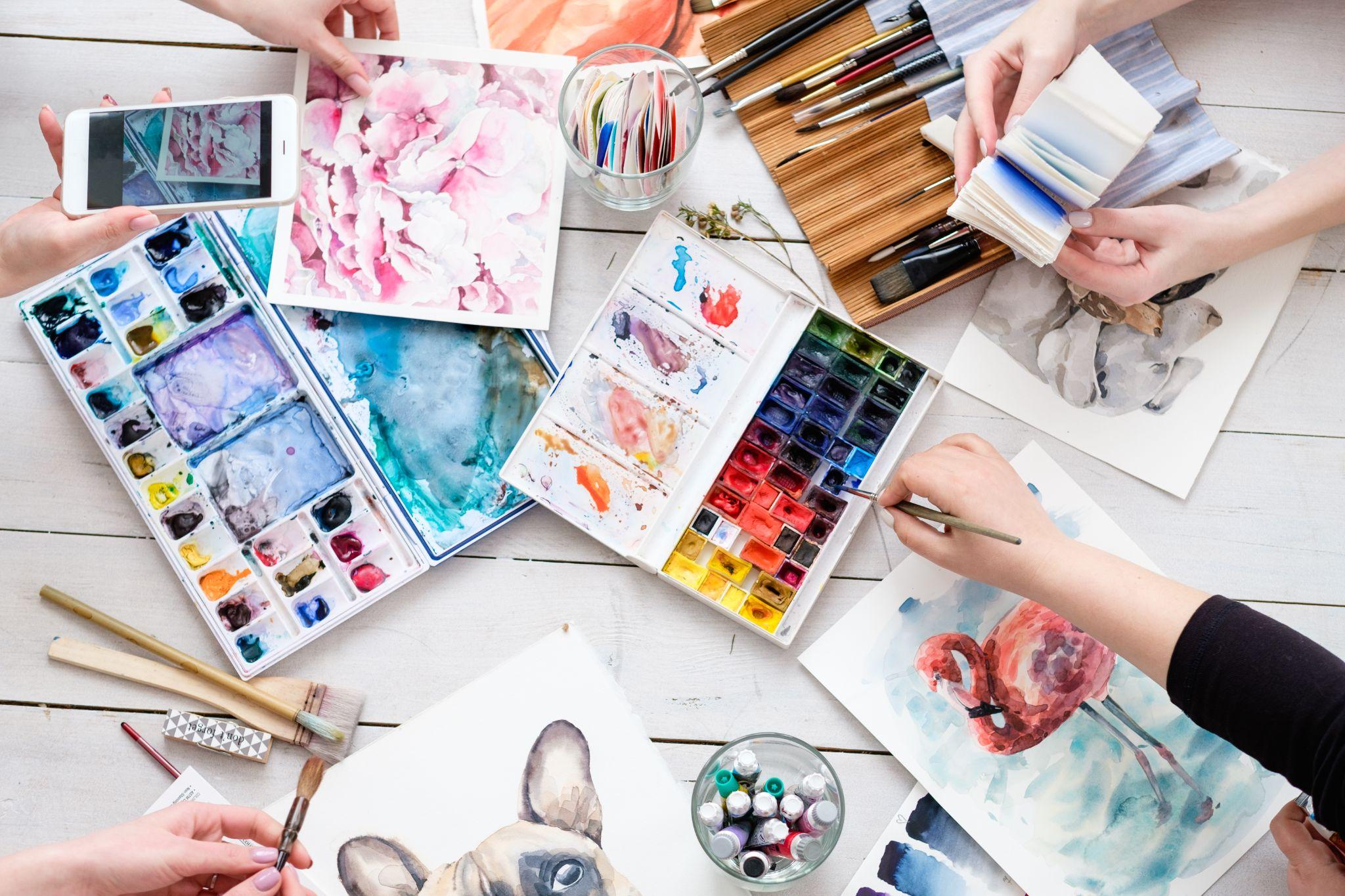


Creative Sobriety: Using Painting, Writing, and Expression to Rebuild Your Life

Recovery from addiction is not only about stopping substance use. It is about rebuilding identity, repairing emotional wounds, and learning how to live with clarity and purpose again. For many people, words alone are not enough to express what they have been through. This is where creative expression becomes a powerful part of healing. Painting, writing, and other expressive therapies offer a safe and meaningful way to process emotions, reduce stress, and reconnect with a sense of self. In comprehensive addiction recovery and mental health treatment, creative sobriety can become a foundation for lasting change.

Understanding Creative Sobriety in Addiction Recovery

Creative sobriety refers to using artistic expression as a supportive tool in recovery. It is not about artistic skill or talent. Instead, it is about using creativity as a way to communicate emotions, reflect on experiences, and build healthier coping strategies.

In structured treatment settings such as inpatient and outpatient programs, creative therapies are often integrated alongside counseling and clinical care. This holistic approach helps individuals address both the emotional and psychological layers of addiction.

Why Creative Expression Works in Healing

Addiction often develops alongside unresolved trauma, emotional pain, or chronic stress. These experiences can be difficult to verbalize. Creative activities like painting or writing provide an alternative pathway for expression.

When someone paints what they feel or writes about their experiences, they begin to externalize internal struggles. This process helps reduce emotional intensity and creates space for reflection. Over time, this can improve emotional regulation, self-awareness, and resilience.

Supporting Mental Health Through Creativity

Mental health plays a central role in addiction recovery. Anxiety, depression, and trauma symptoms can increase vulnerability to relapse if left unaddressed. Creative expression helps support mental health by encouraging mindfulness and emotional processing.

Engaging in art or writing can calm the nervous system and shift focus away from negative thought patterns. It also gives individuals a sense of control and accomplishment during a time when life may feel uncertain.

How Painting, Writing, and Expression Support Recovery

Creative practices are not just therapeutic tools. They are practical strategies that support everyday recovery.

Painting as Emotional Release

Painting allows individuals to express emotions visually without needing to explain them. Colors, shapes, and textures often reflect feelings that are difficult to put into words.

For someone in recovery, this can be especially powerful. Anger, grief, guilt, and hope can all be expressed on canvas. This emotional release can reduce internal pressure and support healthier coping responses.

Writing as Self-Reflection and Clarity

Writing helps individuals organize thoughts and reflect on their recovery journey. Journaling, poetry, or storytelling can reveal patterns in thinking and behavior.

This practice encourages honesty and self-awareness. It also helps individuals track progress over time, which can strengthen motivation and commitment to sobriety.

Creative Expression as Identity Reconstruction

Addiction can deeply affect how a person sees themselves. Creative expression helps rebuild identity by allowing individuals to explore who they are beyond addiction.

Through art and writing, people can rediscover interests, values, and personal strengths. This process supports long term recovery by reinforcing a healthier and more empowered sense of self.

Integrating Creative Therapy Into Holistic Treatment

At MandanArt, addiction recovery is approached through individualized and holistic care. This includes mental health treatment, inpatient and outpatient programs, and supportive therapeutic approaches that address the whole person.

Creative expression fits naturally into this model. It complements traditional therapy by offering another way to process emotions and build coping skills.

Personalized Healing Paths

No two recovery journeys are the same. Some individuals may benefit from structured art therapy sessions guided by a clinician. Others may prefer open creative exploration as part of their treatment plan.

Personalization ensures that each person can engage in healing in a way that feels safe, meaningful, and effective.

Building Connection and Support

Group creative sessions also play an important role in recovery. Sharing artwork or written reflections can help individuals feel understood and less alone.

This sense of connection is essential. Supportive relationships often strengthen accountability and improve long term recovery outcomes.

Practical Benefits of Creative Sobriety

Creative expression offers real, everyday benefits that extend beyond therapy sessions.

It helps reduce stress and anxiety, improves emotional awareness, and builds healthy coping skills. It also encourages patience, focus, and discipline, which are all important in maintaining sobriety.

Most importantly, it gives individuals a constructive outlet during moments of emotional difficulty, reducing the risk of returning to harmful behaviors.

Conclusion: Rebuilding Life Through Creative Healing

Recovery is not just about leaving addiction behind. It is about building a life that feels meaningful, stable, and authentic. Painting, writing, and creative expression offer powerful tools for emotional healing and personal growth.

Creative sobriety helps individuals process their past, understand their emotions, and rediscover their identity in recovery. When combined with compassionate, individualized treatment, it becomes a meaningful part of long term healing.

If you or someone you love is struggling with addiction, support is available. MandanArt offers compassionate, holistic, and personalized care designed to support both mental health and addiction recovery. Reaching out can be the first step toward healing, stability, and a renewed sense of purpose.


Healing Through Art: How Creative Expression Supports Addiction Recovery

Recovery from addiction is a journey that involves more than simply abstaining from substances. It requires addressing emotional challenges, rebuilding self-esteem, and rediscovering personal purpose. Many individuals in treatment find that traditional therapies alone do not fully capture the depth of emotional healing required. Art therapy and creative expression offer powerful tools to support this journey, helping clients process complex feelings, foster self-awareness, and strengthen resilience. By integrating creative practices into treatment plans, individuals can develop the emotional and mental skills needed for lasting sobriety.

What Is Art Therapy in Addiction Recovery?

Art therapy is a form of expressive therapy that uses creative activities such as painting, drawing, sculpting, or journaling to promote mental, emotional, and spiritual well-being. Guided by trained therapists, clients engage in exercises designed to help them explore emotions, reflect on experiences, and communicate in ways that may be difficult to express verbally. Unlike traditional talk therapy alone, art therapy provides a safe and constructive space for self-expression.

Emotional Benefits of Creative Expression

Addiction often masks or amplifies emotional challenges such as anxiety, depression, or unresolved trauma. Creative expression allows individuals to externalize these feelings in a safe environment. Through art, clients can explore underlying emotions, gain insight into personal triggers, and develop healthier coping strategies. Activities like painting or journaling encourage mindfulness and self-reflection, helping individuals process experiences and cultivate emotional resilience.

Supporting Mental Health Alongside Recovery

Substance use and mental health challenges frequently overlap. Integrating art therapy into recovery programs provides complementary support, helping clients manage stress, regulate emotions, and reduce anxiety. Creative practices also reinforce insights gained in counseling or group therapy, offering clients practical tools for emotional regulation and self-care. This holistic approach addresses both addiction and mental health, creating a foundation for sustained recovery.

How Art Therapy Fits Into Holistic Treatment Programs

MandanArt combines clinical care with holistic approaches, including mental health support, faith-based guidance, and individualized treatment plans. Art therapy is integrated into both inpatient and outpatient programs, ensuring clients receive comprehensive support for emotional, psychological, and spiritual healing.

Individualized Creative Approaches

Every recovery journey is unique, and art therapy can be tailored to meet individual needs. Some clients benefit from structured exercises focused on emotional processing, while others thrive in open, self-directed creative sessions that encourage exploration and self-discovery. Personalized approaches increase engagement and empower clients to explore their feelings safely and meaningfully.

Building Connection and Community

Group art therapy sessions provide opportunities for peer support and shared experiences. Clients can discuss their work, celebrate achievements, and connect with others navigating recovery. These interactions reduce feelings of isolation, foster accountability, and create a supportive community, which is an essential component of long-term sobriety.

Practical Benefits of Art Therapy

Engaging in painting, writing, or other creative activities develops practical skills such as focus, patience, problem-solving, and self-discipline. Completing creative projects builds confidence and a sense of accomplishment, reinforcing motivation to continue pursuing positive goals in recovery. Art therapy also encourages clients to integrate healthy routines into daily life, supporting sustained well-being beyond the therapy room.

Embrace Creative Expression for Lasting Recovery

Art therapy provides a transformative approach to addiction recovery, supporting emotional, mental, and spiritual growth. By offering safe outlets for expression, fostering self-awareness, and strengthening coping skills, creative practices become essential tools for achieving and maintaining sobriety.

If you or a loved one is seeking a recovery program that combines traditional therapy with holistic and creative approaches, MandanArt offers compassionate, individualized care. Reach out today to learn how integrating art therapy into your treatment plan can help you heal, grow, and build a fulfilling life in recovery.


Creative Sobriety: How Painting, Writing, and Expression Aid Healing

Recovery from addiction is a journey that goes beyond simply achieving sobriety. It involves addressing emotional pain, rebuilding self-esteem, and rediscovering personal purpose. Many individuals find that traditional therapies, while essential, may not fully capture the depth of emotional and psychological healing needed. Creative expression—through painting, writing, and other forms of art—offers a powerful way to process feelings, explore identity, and strengthen resilience. Integrating these practices into treatment plans supports holistic recovery and long-term sobriety.

Understanding Creative Expression in Addiction Recovery

Creative expression is a therapeutic approach that encourages individuals to explore emotions, reflect on personal experiences, and communicate in ways that words alone cannot. Art therapy uses structured activities such as painting, drawing, sculpture, and journaling to promote mental and emotional well-being. Trained therapists guide clients through exercises that help them express feelings safely, gain self-awareness, and develop healthier coping strategies.

Emotional Healing Through Art and Writing

Addiction often stems from or worsens emotional challenges such as trauma, anxiety, or depression. Painting, writing, and other forms of creative expression allow individuals to externalize these feelings in a safe, structured environment. By exploring emotions visually or through words, clients gain clarity, process past experiences, and learn to regulate their responses to triggers, which are critical steps in maintaining sobriety.

Supporting Mental Health Alongside Recovery

Substance use and mental health challenges frequently intersect. Creative therapies complement counseling, psychiatric support, and evidence-based treatment by reducing stress, enhancing mindfulness, and promoting emotional balance. Writing or painting can serve as reflective tools, helping clients process difficult experiences while reinforcing the progress made in traditional therapy sessions.

Integrating Creative Practices Into Holistic Treatment Programs

MandanArt offers comprehensive recovery programs that combine clinical care, mental health support, and holistic, faith-based approaches. Art therapy and creative expression are integrated into both inpatient and outpatient programs, providing clients with additional avenues to address emotional, psychological, and spiritual needs.

Individualized Creative Approaches

Every client’s journey is unique, and creative therapies can be tailored to meet individual goals. Some may benefit from structured art exercises focused on emotional processing, while others thrive in open, self-directed sessions that encourage exploration and personal insight. Personalized approaches ensure that clients engage meaningfully with therapy, fostering motivation and confidence in their recovery.

Building Community and Connection

Group creative sessions offer opportunities for peer support and shared experiences. Clients can share their work, celebrate achievements, and form connections with others who understand the challenges of recovery. These social bonds reduce isolation, foster trust, and create a supportive community that reinforces long-term sobriety.

Practical Benefits of Creative Expression in Recovery

Engaging in painting, writing, or other creative practices builds skills that extend beyond therapy. Clients develop focus, patience, and self-discipline, which are valuable in managing cravings and navigating stress. Completing creative projects also reinforces self-esteem and a sense of accomplishment, encouraging continued engagement in healthy, constructive activities.

Embrace Creative Expression as Part of Recovery

Creative expression transforms the recovery process by providing safe outlets for emotion, promoting self-awareness, and strengthening coping skills. Painting, writing, and other art-based practices offer tangible benefits for emotional, mental, and spiritual growth, supporting lasting sobriety.

If you or a loved one is seeking a recovery program that combines traditional therapies with holistic and creative approaches, MandanArt offers individualized, compassionate care. Reach out today to learn how integrating art therapy into your recovery journey can help you rediscover purpose, process emotions, and build a stronger foundation for lasting healing.


Rediscover Yourself Through Art Therapy: A Guide for Addiction Recovery

Recovery from addiction is more than achieving sobriety. It is a journey of self-discovery, emotional healing, and rebuilding a meaningful life. Many individuals entering treatment find that traditional therapies alone do not fully address the emotional and psychological challenges of recovery. Art therapy offers a powerful and holistic approach, allowing individuals to explore their emotions, process past experiences, and reconnect with their authentic selves. By incorporating creative expression into treatment plans, clients gain practical tools for emotional regulation, self-awareness, and long-term recovery.

Understanding Art Therapy in Addiction Recovery

Art therapy is a form of expressive therapy that uses creative activities such as painting, drawing, sculpting, or journaling to support mental health and emotional well-being. Trained therapists guide clients through exercises that encourage self-reflection, emotional exploration, and personal growth. Unlike talk therapy alone, art therapy provides an alternative means of communication, helping individuals express feelings that may be difficult to articulate verbally.

Emotional Healing Through Creativity

Many people in recovery carry feelings of shame, guilt, or unresolved trauma. Art therapy provides a safe outlet to explore these emotions. Through the creative process, individuals can externalize complex feelings, gain insight into behavioral patterns, and develop healthier coping strategies. Engaging in art can reduce anxiety, foster mindfulness, and build emotional resilience, which are all essential for sustaining long-term sobriety.

Supporting Mental Health Alongside Addiction Treatment

Addiction and mental health challenges are often intertwined. Anxiety, depression, and stress can increase the risk of relapse if left unaddressed. Integrating art therapy into recovery programs provides complementary support, promoting emotional balance, self-awareness, and self-expression. Creative activities help clients process difficult experiences while reinforcing the therapeutic work done in counseling or group therapy sessions.

How Art Therapy Fits Into Holistic Recovery Programs

MandanArt offers comprehensive treatment programs that combine traditional addiction care with holistic approaches, including mental health support, faith-based guidance, and individualized treatment plans. Art therapy is integrated into both inpatient and outpatient programs to support emotional, psychological, and spiritual healing.

Individualized Creative Approaches

Every recovery journey is unique, and art therapy can be tailored to meet the specific needs of each client. Some individuals benefit from structured exercises designed to explore trauma or emotional challenges, while others thrive in open, exploratory sessions that encourage self-directed expression. This flexibility allows clients to engage meaningfully with therapy and make tangible progress in their recovery.

Building Community and Connection

Group art therapy sessions provide opportunities for peer support and shared experiences. Clients can discuss their work, celebrate personal achievements, and build relationships within a safe and encouraging environment. These social connections are a key component of holistic recovery, fostering accountability, trust, and motivation for maintaining sobriety.

Practical Benefits of Art Therapy

Engaging in creative expression offers more than emotional release. It cultivates practical skills that support recovery, including patience, focus, problem-solving, and self-discipline. Completing a creative project builds confidence and reinforces a sense of accomplishment, encouraging individuals to continue pursuing positive goals in other areas of life.

Reconnect with Yourself Through Art Therapy

Rediscovering yourself in recovery is a transformative process that requires self-exploration, emotional growth, and compassionate support. Art therapy provides a safe and effective pathway to rebuild identity, develop coping skills, and maintain lasting sobriety.

If you or a loved one is seeking a recovery program that combines traditional addiction treatment with holistic and creative therapies, MandanArt offers individualized, compassionate care. Reach out today to learn how art therapy can help you reconnect with your authentic self and build a fulfilling life in recovery.


Art as a Tool for Recovery: Strengthening Mind and Spirit in Sobriety

Recovery from addiction is a journey that requires more than stopping substance use. It involves rebuilding emotional resilience, mental clarity, and a sense of personal purpose. Many individuals find that traditional therapies alone do not fully address the emotional and spiritual challenges of recovery. Art therapy offers a unique and effective pathway to healing, allowing clients to strengthen both mind and spirit. By integrating creative expression into treatment plans, individuals gain new tools for coping, self-discovery, and lasting sobriety.

Understanding Art Therapy in Addiction Recovery

Art therapy is a form of expressive therapy that uses creative processes such as painting, drawing, sculpture, and journaling to promote emotional and mental well-being. Trained therapists guide clients through exercises that encourage self-reflection, emotional exploration, and personal growth. Unlike talk therapy alone, art therapy allows individuals to communicate complex feelings that may be difficult to express verbally.

Emotional Benefits of Creative Expression

Addiction often masks or amplifies emotional challenges such as anxiety, depression, or unresolved trauma. Art therapy provides a safe outlet for these emotions. Through creative expression, clients can process feelings, gain clarity, and build emotional resilience. Engaging in art allows individuals to identify patterns, recognize triggers, and develop healthier responses to stress, supporting sustained sobriety.

Supporting Mental and Spiritual Health

Addiction and mental health are closely intertwined. Incorporating art therapy into recovery addresses both aspects simultaneously. The creative process encourages mindfulness, reduces stress, and promotes emotional balance. For clients seeking spiritual growth, art can also serve as a reflective and meditative practice, helping them reconnect with purpose, values, and a sense of inner peace.

Integrating Art Therapy Into Holistic Treatment Programs

MandanArt integrates art therapy into comprehensive treatment programs that combine clinical care, mental health support, and holistic approaches. Services include inpatient and outpatient programs, counseling, faith-based support, and individualized care plans. This integrated model addresses the whole person—mind, body, and spirit—ensuring that clients receive balanced, compassionate, and client-centered support.

Tailored Approaches for Individual Needs

Every recovery journey is unique. Art therapy sessions can be customized to meet each client’s goals and emotional needs. Some clients benefit from structured exercises designed to process trauma, while others thrive in open, self-directed creative sessions. Personalized approaches make therapy more meaningful, empowering clients to explore emotions, build confidence, and develop practical coping skills.

Fostering Community and Connection

Group art therapy sessions offer opportunities for social support and shared experiences. Clients can discuss their work, celebrate progress, and form connections with peers. These positive social interactions reduce isolation, strengthen motivation, and contribute to a supportive recovery community, which is essential for long-term success.

Practical Benefits of Art Therapy in Recovery

Engaging in creative practices provides tools that extend beyond therapy sessions. Clients develop patience, focus, and problem-solving abilities that are useful in daily life and during challenging moments in sobriety. Completing art projects also reinforces self-esteem and personal growth, creating a sense of accomplishment that motivates continued recovery.

Embracing Art as a Recovery Tool

Art therapy offers a transformative approach to addiction recovery, supporting emotional, mental, and spiritual growth. By providing a safe outlet for expression, fostering self-awareness, and strengthening coping skills, creative therapies help individuals build the foundation for lasting sobriety.

If you or a loved one is seeking a recovery program that combines evidence-based treatment with holistic and creative approaches, MandanArt provides compassionate, individualized care designed to empower every step of the journey. Reach out today to learn how art therapy can become an essential tool for strengthening mind and spirit in recovery.


From Struggle to Expression: Creative Paths to Overcoming Addiction

Addiction recovery is a journey that involves much more than abstaining from substances. It is about confronting underlying emotional challenges, rebuilding self-esteem, and discovering new ways to live a fulfilling life. Many individuals find that traditional therapies alone do not fully address the emotional complexities of recovery. Creative expression, through art therapy and other creative outlets, provides a unique and powerful path for healing. It allows individuals to explore emotions safely, develop coping strategies, and reconnect with a sense of purpose.

Understanding Creative Expression in Recovery

Creative expression is a therapeutic approach that uses activities like painting, drawing, sculpture, writing, and other forms of art to support mental health and emotional well-being. In addiction recovery, these practices serve as a bridge between internal experiences and external communication, allowing individuals to process thoughts and feelings that may be difficult to articulate with words.

The Emotional Benefits of Creative Practices

Addiction often stems from or exacerbates emotional pain, trauma, and stress. Creative expression allows individuals to explore these experiences safely. Through guided art therapy sessions, clients can identify emotions, confront triggers, and release feelings in a constructive manner. This process not only reduces stress and anxiety but also fosters self-awareness, helping individuals make intentional choices that support long-term sobriety.

Supporting Mental Health Alongside Recovery

Substance use and mental health challenges often occur together. Anxiety, depression, and unresolved trauma can hinder recovery efforts if left unaddressed. Integrating creative expression into treatment provides complementary support for mental health. Studies show that art therapy can improve mood, increase mindfulness, and promote emotional resilience, all of which are essential for sustaining sobriety.

How Creative Paths Complement Holistic Treatment Programs

MandanArt incorporates creative therapies into comprehensive, holistic addiction treatment plans. Clients benefit from individualized care that may include inpatient or outpatient programs, counseling, mental health treatment, and faith-based support. By combining traditional treatment with creative approaches, programs address the whole person—mind, body, and spirit.

Personalized Approaches to Creative Therapy

Every recovery journey is unique, and creative therapy can be tailored to meet individual needs. Some clients engage in structured exercises guided by therapists to explore specific emotional challenges. Others may participate in open studio sessions, allowing for self-directed exploration and personal reflection. This flexibility ensures that creative expression is meaningful and empowering for each individual.

Fostering Community and Connection

Group creative sessions provide opportunities for shared experiences and peer support. Clients can share their work, celebrate progress, and learn from one another. These interactions help reduce feelings of isolation, build trust, and create a sense of community, which are vital components of lasting recovery.

Practical Benefits of Creative Expression

Engaging in creative practices provides skills that extend beyond therapy. Completing art projects fosters patience, focus, and problem-solving abilities, all of which can enhance coping strategies during challenging moments in recovery. Creative achievements also build self-esteem, reinforcing a sense of capability and personal growth that motivates continued sobriety.

Transforming Struggle into Growth Through Creativity

Recovery is a multifaceted process that requires emotional insight, resilience, and support. Creative expression offers a powerful way to transform struggle into meaningful growth. By providing a safe and constructive outlet for emotion, fostering self-discovery, and supporting mental health, art therapy and creative practices become essential tools in overcoming addiction.

If you or a loved one is seeking a comprehensive recovery program that combines traditional therapies with holistic and creative approaches, MandanArt offers compassionate, individualized care designed to support lasting healing. Reach out today to explore how creative expression can become an integral part of your journey toward sobriety and emotional well-being.


Healing Through Creativity: How Art Therapy Supports Lasting Sobriety

Recovery from addiction is more than stopping substance use. It is a journey of self-discovery, emotional healing, and rebuilding a meaningful life. Many individuals entering treatment struggle to express complex emotions or process past experiences with words alone. Art therapy offers a unique and powerful path for healing, providing a safe space to explore feelings, rebuild self-esteem, and strengthen coping skills. When integrated into comprehensive addiction treatment programs, creative expression can play a vital role in supporting lasting sobriety.

Understanding Art Therapy in Addiction Recovery

Art therapy is a form of expressive therapy that uses creative activities such as painting, drawing, sculpture, and journaling to promote emotional and mental well-being. Trained art therapists guide clients through exercises designed to help them explore emotions, reflect on personal experiences, and develop healthy coping strategies. Unlike traditional talk therapy alone, art therapy allows individuals to communicate in ways that may be more natural or accessible, especially when processing trauma or intense emotions.

The Emotional Benefits of Creative Expression

Many people in recovery carry feelings of guilt, shame, or unresolved trauma. These emotions can interfere with healing and increase the risk of relapse. Art therapy provides a safe outlet to release these feelings, helping individuals gain clarity, self-awareness, and emotional resilience. Creating visual representations of experiences can also help clients understand patterns, recognize triggers, and make healthier choices as they move forward in sobriety.

Supporting Mental Health in Recovery

Addiction and mental health are closely connected. Conditions like anxiety, depression, and stress often accompany substance use, making recovery more challenging. Integrating art therapy into treatment addresses these mental health needs alongside addiction care. The creative process has been shown to reduce stress, improve mood, and increase mindfulness, complementing counseling and evidence-based therapies to promote holistic recovery.

How Art Therapy Enhances Holistic Recovery Programs

Holistic treatment recognizes that healing involves the whole person: mind, body, and spirit. MandanArt incorporates art therapy into inpatient and outpatient programs alongside counseling, faith-based support, and individualized care. This approach ensures that every aspect of recovery is addressed in a compassionate and client-centered environment.

Individualized and Flexible Approaches

Every recovery journey is unique, and art therapy can be tailored to meet individual needs. Some clients benefit from structured exercises led by therapists, while others thrive in open, exploratory sessions. Personalized approaches allow clients to focus on specific goals, such as processing past trauma, improving emotional regulation, or building self-confidence.

Fostering Community and Connection

Group art therapy sessions provide opportunities for shared experiences and peer support. Creating together fosters connection, reduces feelings of isolation, and encourages individuals to celebrate progress as a community. These positive social interactions are an essential part of building a supportive recovery network.

Practical Benefits of Art Therapy in Recovery

Art therapy offers tangible benefits that extend beyond the therapy room. Engaging in creative work teaches patience, focus, and self-discipline, which are useful skills for managing cravings and navigating stress. Completing art projects also reinforces a sense of achievement and personal growth, boosting self-Embrace Creativity as Part of Recovery

Art therapy is a powerful tool that transforms the recovery process from one of struggle to one of growth, insight, and healing. By providing a safe space to explore emotions, develop coping strategies, and rebuild self-esteem, creative expression supports lasting sobriety.

If you or a loved one is seeking a recovery program that combines clinical treatment with holistic and creative therapies, MandanArt offers compassionate, individualized care to guide every step of the journey. Reach out today to learn how integrating art therapy into your treatment plan can help you rediscover purpose, foster emotional healing, and build a stronger foundation for lasting recovery.


Creative Tools for Recovery: Why Art Therapy Belongs in Addiction Treatment Plans

Addiction recovery is not only about breaking free from substances. It is about rebuilding identity, restoring emotional balance, and rediscovering purpose. Many individuals entering treatment struggle to express what they feel or process complex experiences through words alone. This is where art therapy becomes a powerful part of comprehensive addiction treatment. By combining creative expression with evidence based mental health care, individuals can explore emotions safely, build resilience, and reconnect with themselves in meaningful ways. When integrated into holistic and individualized recovery programs, art therapy supports healing on emotional, psychological, and spiritual levels.

Understanding Art Therapy in Addiction Treatment

Art therapy uses creative processes such as drawing, painting, sculpture, and mixed media to help individuals explore thoughts and emotions. In structured treatment environments, trained therapists guide participants through activities that encourage self reflection, emotional processing, and personal growth.

Why Creative Expression Supports Healing

Many people facing addiction carry trauma, shame, grief, or unresolved stress. Verbal communication can feel overwhelming or limiting. Creative activities provide an alternative pathway for expression. Through art, individuals can externalize feelings that might otherwise stay hidden. This process can reduce anxiety, improve emotional regulation, and help clients better understand their triggers and behaviors.

A Complement to Clinical Treatment

Art therapy does not replace medical or psychological care. Instead, it works alongside counseling, group therapy, and evidence based mental health treatment. Integrated programs that include both clinical support and creative approaches often provide a more balanced path toward long term recovery.

The Role of Art Therapy in Holistic Recovery Programs

Holistic addiction treatment recognizes that healing involves the whole person. Emotional, mental, physical, and spiritual wellness all play important roles in sustained sobriety. Creative therapies fit naturally within this framework.

Supporting Individualized Treatment Plans

Every recovery journey is unique. Personalized care allows therapists to tailor creative exercises to each individual’s needs and goals. Some clients may use art to process trauma. Others may focus on building self esteem or managing stress. This flexibility ensures that treatment feels relevant and meaningful.

Enhancing Faith Based and Spiritual Growth

For individuals seeking spiritual connection in recovery, art can become a form of reflection and renewal. Creating visual representations of hope, gratitude, or personal transformation helps clients explore deeper values and reconnect with their sense of purpose. Creative practices can support meditation, prayer, and mindfulness exercises that promote inner peace.

Encouraging Engagement in Inpatient and Outpatient Care

Whether in residential treatment or outpatient programs, creative sessions often increase participation and reduce resistance to therapy. Clients who feel anxious about traditional counseling may find art activities more approachable. This increased engagement leads to stronger therapeutic relationships and improved outcomes.

Practical Benefits of Art Therapy for Addiction Recovery

Creative therapies provide more than emotional expression. They offer practical tools that support daily recovery and relapse prevention.

Building Healthy Coping Skills

Art making encourages focus, patience, and emotional awareness. These skills translate into healthier coping strategies outside treatment. Instead of turning to substances during stress, individuals learn to channel emotions into creative outlets.

Improving Self Esteem and Confidence

Completing a creative project builds a sense of accomplishment. For people who have struggled with guilt or low self worth, this positive reinforcement can be transformative. Recognizing personal creativity reminds clients that they are capable of growth and change.

Strengthening Community and Connection

Group art sessions foster shared experiences and mutual support. Participants learn to collaborate, offer encouragement, and celebrate progress together. These connections help reduce isolation, which is a common challenge in addiction recovery.

Integrating Art Therapy into Comprehensive Mental Health Care

Successful recovery programs combine multiple therapeutic approaches to address complex needs. Art therapy works best when integrated with counseling, psychiatric support, and life skills training. Treatment teams can use creative work to gain insight into emotional patterns and guide deeper discussions during individual or group therapy sessions.

In settings that emphasize compassionate and client centered care, creative therapies enhance the overall treatment experience. By offering safe and supportive opportunities for self exploration, art therapy empowers individuals to take an active role in their healing journey.

Conclusion: Embracing Creativity as a Path to Lasting Recovery

Recovery is not only about stopping harmful behaviors. It is about building a fulfilling life grounded in purpose, connection, and emotional well being. Art therapy offers a powerful way to explore personal experiences, process difficult emotions, and develop healthy coping skills. When combined with comprehensive addiction treatment, mental health support, and individualized care, creative expression becomes a meaningful tool for transformation.

If you or someone you love is seeking compassionate addiction treatment that values holistic healing and personalized support, consider programs that include creative therapies as part of the recovery process. Taking the first step toward help can open the door to renewed hope, deeper self understanding, and a stronger path forward. Reach out today to learn how integrated care and creative healing approaches can support lasting recovery and a healthier future.


Rediscovering Identity After Addiction: The Role of Creative Expression in Lasting Recovery

Recovering from addiction is not just about stopping substance use. It is about rebuilding a life, reclaiming personal identity, and finding purpose beyond the struggles of the past. Many individuals in recovery feel disconnected from who they truly are, and this loss of identity can make lasting sobriety more difficult. Creative expression, including art therapy, offers a powerful and holistic way to rediscover identity, process emotions, and strengthen emotional resilience on the journey to lasting recovery.

Why Identity Matters in Addiction Recovery

Addiction often erodes self-esteem, confidence, and a sense of purpose. Individuals may lose connection with personal values, passions, and social roles. Rebuilding identity is crucial for sustaining recovery because it provides motivation, a sense of belonging, and the emotional tools needed to navigate triggers and challenges. Without a strong sense of self, the risk of relapse increases.

Creative expression allows individuals to explore and reconnect with their inner world. Through painting, drawing, sculpting, or other artistic forms, clients can express feelings and experiences that are difficult to articulate verbally. This process supports self-discovery, emotional processing, and the rebuilding of a meaningful identity.

How Creative Expression Supports Lasting Recovery

Exploring Emotions Safely

Art provides a safe outlet for emotions that may otherwise remain suppressed. Individuals in recovery often carry guilt, shame, or grief, which can interfere with emotional healing. Engaging in creative expression allows these feelings to surface in a controlled and supportive environment, helping clients process experiences and develop emotional resilience.

Enhancing Self-Awareness

The act of creating art encourages reflection and self-discovery. Clients can examine their thoughts, values, and personal narratives through visual or written forms. This increased self-awareness helps them identify triggers, recognize patterns, and make conscious choices aligned with their recovery goals.

Building Confidence and Purpose

Art therapy empowers individuals by highlighting their strengths and capabilities. Completing a creative project fosters a sense of accomplishment and reinforces self-worth. This renewed confidence translates to other areas of life, encouraging clients to pursue meaningful relationships, career goals, and personal passions that support long-term sobriety.

Integrating Creative Expression Into Holistic Treatment

At MandanArt, creative expression is an integral part of comprehensive addiction recovery programs. Services include inpatient and outpatient care, individualized counseling, mental health treatment, and holistic therapies. Art therapy sessions can be structured or exploratory, depending on the client’s needs, providing flexibility to support unique recovery journeys.

Combining creative therapies with evidence-based treatment offers a holistic approach that addresses emotional, physical, and spiritual well-being. This approach fosters a supportive and compassionate environment where clients can safely rediscover their identity and develop the skills needed to maintain lasting recovery.

Real Benefits Reported by Clients

Clients often report that art therapy helps them process difficult experiences, communicate emotions more effectively, and rebuild self-esteem. Group sessions foster community, connection, and mutual support, reinforcing the sense of identity and belonging. Over time, these creative practices contribute to resilience, self-confidence, and a deeper understanding of personal purpose in recovery.

Taking the Next Step in Your Recovery Journey

Rediscovering identity after addiction is a transformative process that requires both support and self-exploration. Creative expression offers a practical and empowering way to reconnect with yourself, process emotions, and cultivate lasting sobriety.

If you or a loved one is seeking a recovery program that combines traditional treatment with holistic and creative therapies, MandanArt provides compassionate, individualized care to support every step of your journey. Reach out today to learn how creative expression can help you reclaim your identity and build a fulfilling, sober life.


top