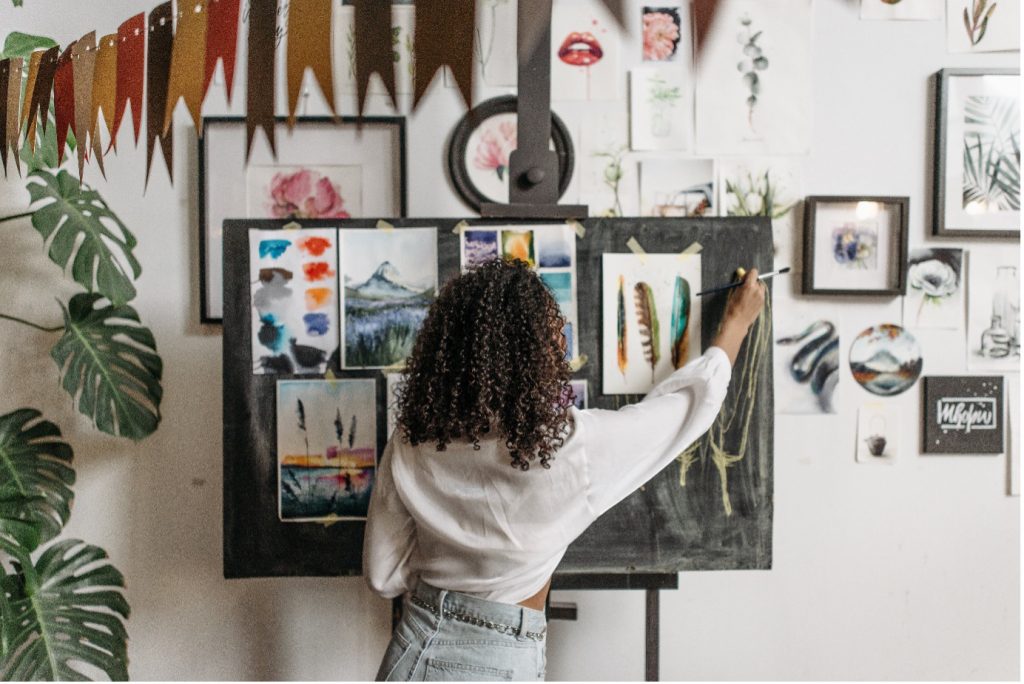
Recovery from addiction requires more than stopping substance use. It often involves learning how to process difficult emotions, manage stress, rebuild relationships, and develop a healthier understanding of yourself. For some people, talking about these experiences comes naturally. For others, putting painful memories and complicated emotions into words can feel overwhelming or even impossible. Art therapy for addiction recovery offers another way to explore those experiences. Through painting, drawing, writing, music, photography, and other creative activities, individuals can express themselves, build healthy coping skills, and participate more fully in the recovery process.
Art therapy does not replace counseling, medical care, or evidence-based addiction treatment. Instead, it can complement those services as part of a personalized and holistic approach to recovery. When creative expression is incorporated appropriately into treatment, it can give people another tool for understanding themselves and moving toward meaningful change.
Why Talk Therapy Is Not the Only Way to Heal
Talk therapy is an important part of addiction and mental health treatment. Conversations with a qualified therapist can help individuals examine behaviors, understand emotional patterns, address trauma, and develop practical coping strategies.
However, communication does not always happen through conversation.
A person may know they are hurting without knowing how to explain the feeling. Someone may carry grief, shame, anger, or fear that feels too complicated to describe. Others may have spent years avoiding painful subjects because substance use became their primary way of coping.
Creative therapy provides another avenue for expression.
Creativity Can Open a Different Door
When someone creates a painting, writes in a journal, makes a collage, or works with another creative medium, the process can encourage reflection without requiring immediate verbal explanations.
The therapist can then use the creative activity as a starting point for discussion. Instead of asking someone to explain everything at once, treatment can begin with what the person notices about their own work and what it means to them.
This can make difficult conversations feel more approachable.
How Art Therapy Supports Addiction Recovery
Addiction affects both behavior and emotional well-being. People in recovery often need to develop new ways of responding to stress, uncomfortable emotions, interpersonal conflict, and painful memories.
Art therapy can complement these efforts by providing a structured and healthy form of self-expression.
Expressing Emotions Without Judgment
Creative work can give people space to acknowledge emotions they may have been suppressing.
Someone might paint an image that represents anger. Another person might write about loneliness or create a collage reflecting their hopes for the future. There is no requirement to make the work perfect.
The value comes from the opportunity to express and examine what is happening internally.
This can be especially useful when a person is learning to experience emotions without relying on drugs or alcohol to numb them.
Recognizing Emotional Patterns
Recovery often requires greater awareness of triggers and emotional responses. Creative activities can encourage individuals to slow down and notice those patterns.
For example, someone might keep a daily journal and record their mood alongside stressful events. Over time, they may notice connections between certain situations, emotions, and urges to use substances.
That awareness can become useful information to discuss with a therapist or treatment team.
Art Therapy and Mental Health Treatment
Substance use and mental health concerns can influence each other. Depression, anxiety, trauma, chronic stress, and other emotional challenges may complicate addiction recovery when they are not addressed.
A comprehensive treatment approach considers the whole person.
Making Difficult Experiences More Visible
Creative expression can help individuals give form to experiences that feel confusing or difficult to communicate.
For example, a therapist might encourage someone to create an image representing what stress feels like. The individual can then describe the image and explore the thoughts or experiences connected to it.
The artwork itself does not provide a universal diagnosis or predetermined meaning. The person who created it is the most important source of its meaning.
That distinction matters because effective therapy should be based on the individual’s experiences rather than assumptions.
Developing Healthier Coping Strategies
Recovery involves replacing destructive coping behaviors with healthier alternatives.
Creative activities can become one option in a broader coping toolkit. Writing, drawing, painting, music, photography, and other activities may provide a constructive way to focus attention, process emotions, and create something meaningful.
The goal is not to avoid difficult feelings. Instead, it is to learn that difficult feelings can be experienced and managed without returning to substance use.
Rebuilding Self-Esteem Through Creative Work
Addiction can affect how people see themselves. Repeated setbacks may lead to guilt, shame, or the belief that meaningful change is impossible.
Creative therapy can offer opportunities to experience progress in a different context.
Small Accomplishments Can Matter
Finishing a painting, completing a journal entry, learning a creative skill, or simply making time for an activity can provide a sense of accomplishment.
These moments may seem small, but recovery itself is built through small, repeated choices.
Creative work can also encourage patience. A person may start a project without knowing exactly what the finished result will look like. Learning to tolerate uncertainty and continue working can mirror important aspects of the recovery process.
Rediscovering Identity
Addiction can gradually overshadow other parts of a person’s identity. Interests, relationships, goals, and personal values may become secondary to obtaining and using substances.
Creative activities can help individuals rediscover those forgotten parts of themselves.
A person may realize they enjoy photography. Someone else may reconnect with writing, music, painting, or another interest from earlier in life.
These discoveries can help shift attention toward the person they are becoming rather than keeping them defined by their past.
Creative Therapy Within Holistic Addiction Treatment
Holistic recovery considers more than the immediate symptoms of addiction. It recognizes the importance of emotional health, physical well-being, relationships, personal values, spirituality, and purpose.
Art therapy can fit naturally within this approach.
Making Space for Faith and Personal Meaning
For individuals whose faith is important to their recovery, creative expression can provide an opportunity for spiritual reflection.
Someone might write about forgiveness, create artwork inspired by meaningful Scripture, or use journaling to reflect on gratitude, hope, and purpose.
Faith-based recovery should still be individualized. Not everyone connects with spirituality in the same way, and treatment should respect each person’s beliefs and circumstances.
Focusing on the Whole Person
A person seeking addiction treatment is more than a diagnosis or substance use history. They have relationships, experiences, strengths, values, responsibilities, and hopes for the future.
An individualized approach considers these factors when developing a recovery plan.
Creative therapy can support that perspective by giving individuals space to explore interests and experiences that may not emerge during conventional clinical discussions.
Art Therapy in Inpatient and Outpatient Care
Different levels of treatment provide different forms of support. Creative approaches can potentially be incorporated into both inpatient and outpatient settings when clinically appropriate.
Creative Expression During Inpatient Treatment
Inpatient care provides a structured environment where individuals can concentrate on stabilization and recovery. Creative activities can become part of a healthy daily routine.
A structured art session may provide time for reflection while complementing individual counseling, group therapy, mental health services, and other treatment activities.
It can also introduce people to ways of spending their time that do not revolve around substance use.
Continuing Creativity in Outpatient Recovery
Recovery continues after a person leaves an inpatient program. Outpatient treatment can provide ongoing professional support while individuals resume work, family responsibilities, education, and community life.
Creative practices can continue at home. Keeping a recovery journal, joining a creative group, taking photographs, writing, or making art can provide positive structure between appointments.
However, creative activities should complement professional treatment rather than replace it.
Practical Ways to Bring Creativity Into Recovery
You do not need professional art supplies or advanced skills to begin exploring creative expression. Start with an activity that feels comfortable and manageable.
Simple Ideas to Try
- Write for ten minutes: Describe what you are feeling without worrying about grammar or structure.
- Create a recovery collage: Collect words and images that represent the future you want.
- Draw an emotion: Use shapes, lines, and colors to represent how you feel.
- Write a letter to your future self: Describe the life and values you hope to maintain in recovery.
- Create a gratitude journal: Record one meaningful person, experience, or accomplishment each day.
- Take meaningful photographs: Look for everyday moments that represent connection, growth, or hope.
- Make something with your hands: Try clay, crafts, woodworking, or another hands-on activity that encourages focus.
If an activity brings up intense memories or emotions, discuss the experience with a qualified mental health professional. Recovery should provide support while difficult material is explored safely.
Finding a New Way to Heal
Addiction recovery is deeply personal. What helps one person may not be the right fit for someone else. That is why individualized care matters.
Art therapy can give people another language for emotions, another healthy outlet for stress, and another opportunity to understand their experiences. When combined with addiction treatment, mental health care, counseling, and appropriate holistic services, creative expression can become a meaningful part of a person’s recovery plan.
The objective is not to create perfect art. It is to create opportunities for reflection, connection, personal growth, and healthier choices.
Conclusion: Recovery Can Make Room for Creativity
Healing from addiction involves rebuilding a life, not simply eliminating a substance. It requires learning new ways to cope, addressing mental health concerns, restoring relationships, strengthening self-worth, and discovering reasons to keep moving forward.
Art therapy can support that process by giving people in recovery a different way to express themselves and explore what matters to them. It can complement professional treatment while helping individuals reconnect with interests, emotions, values, and hopes that addiction may have pushed aside.
If you or someone you love is struggling with addiction, reaching out for professional support can be an important first step. With individualized addiction recovery services, mental health treatment, and a holistic approach that respects the whole person, there is room to build something new. Recovery can become an opportunity to discover healthier ways to live, express yourself, and move toward a future with greater purpose and hope.