Addiction recovery is about far more than breaking free from drugs or alcohol. It is about healing emotional wounds, restoring mental wellness, and building a life that no longer depends on unhealthy coping mechanisms. Many people entering treatment carry years of unresolved trauma, anxiety, grief, or shame that cannot always be fully expressed through conversation alone. This is where art therapy can make a meaningful difference. By encouraging creative expression in a safe and supportive environment, art therapy helps individuals process difficult emotions, strengthen resilience, and move from emotional pain toward lasting personal growth.
At MandanArt, recovery is centered on treating the whole person rather than focusing only on addiction. Through individualized addiction recovery services, comprehensive mental health treatment, inpatient and outpatient care, holistic therapies, and faith-based support, every client receives compassionate care designed to promote lasting healing. Art therapy is one of the many therapeutic tools that empowers individuals to better understand themselves while developing the emotional skills needed for lifelong recovery.
Why Emotional Wellness Is Essential for Lasting Recovery
Addiction often begins as an attempt to manage emotional distress. Whether someone is coping with trauma, depression, anxiety, chronic stress, or overwhelming life circumstances, substance use may temporarily seem like an escape. Unfortunately, addiction rarely resolves emotional pain. Instead, it often intensifies those struggles while creating new challenges in relationships, careers, finances, and physical health.
Achieving long term sobriety requires more than eliminating substance use. It requires addressing the emotional experiences that contributed to addiction in the first place.
Healing the Root Causes
Recovery becomes stronger when treatment focuses on the underlying reasons for substance use. Individuals who learn healthy ways to process emotions are better equipped to manage future challenges without returning to drugs or alcohol.
This is why emotional wellness remains one of the most important goals of comprehensive addiction treatment.
Understanding Art Therapy
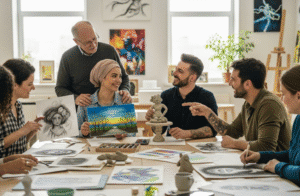
Art therapy is a clinical therapeutic approach that uses creative activities such as painting, drawing, sculpting, collage, journaling, and mixed media projects to support emotional healing and psychological well-being.
Unlike traditional art classes, art therapy does not emphasize artistic ability or producing a perfect final product. Instead, the creative process becomes a way to explore emotions, increase self-awareness, and improve mental health.
Creativity Without Pressure
One of the reasons art therapy is so effective is that anyone can participate. There is no expectation to create beautiful artwork or possess artistic talent.
Each brushstroke, sketch, or written reflection simply becomes another opportunity to better understand personal experiences and emotions.
How Art Therapy Supports Emotional Wellness
Creative expression provides a healthy outlet for emotions that may otherwise remain hidden or difficult to discuss.
Encouraging Honest Self Expression
Many people entering addiction treatment struggle to describe feelings such as guilt, fear, sadness, or anger. Some have spent years avoiding these emotions altogether.
Art therapy offers another form of communication. Through images, colors, symbols, and creative storytelling, individuals often express thoughts that feel impossible to put into words.
This process frequently leads to greater emotional clarity and more productive conversations during counseling sessions.
Reducing Anxiety and Stress
Recovery can feel overwhelming, especially during the early stages of treatment. Individuals may experience uncertainty about the future while adjusting to significant lifestyle changes.
Creative activities naturally encourage mindfulness by focusing attention on the present moment. This shift helps reduce stress, calm anxious thoughts, and create a greater sense of emotional balance.
Improving Emotional Regulation
Emotional regulation is one of the most valuable skills developed during recovery.
Art therapy encourages individuals to pause, observe their feelings, and respond thoughtfully rather than reacting impulsively. This increased emotional awareness helps reduce relapse risk while improving overall mental wellness.
Transforming Pain Into Progress
Recovery is a process of turning difficult experiences into opportunities for growth. Art therapy supports this transformation by helping individuals see themselves in new and healthier ways.
Rebuilding Self Confidence
Addiction often damages self-esteem. Many individuals entering treatment struggle with feelings of failure or hopelessness.
Completing creative projects provides opportunities to experience accomplishment and success. Every finished piece becomes a reminder that growth is possible and that personal strengths still exist beneath the challenges of addiction.
Rediscovering Identity
Active addiction can cause people to lose touch with their passions, values, and interests.
Art therapy encourages exploration and creativity, allowing individuals to reconnect with parts of themselves that may have been forgotten. This renewed sense of identity becomes an important source of motivation throughout recovery.
Supporting Comprehensive Addiction Treatment
At MandanArt, art therapy is integrated into a broader treatment philosophy that recognizes the connection between addiction, mental health, physical wellness, and spiritual growth.
Enhancing Inpatient and Outpatient Care
Creative therapies provide meaningful benefits in both inpatient and outpatient settings.
During inpatient treatment, structured art therapy sessions help individuals process emotions while establishing healthy daily routines.
In outpatient care, creative expression becomes a practical coping strategy that clients can continue using while balancing family life, work responsibilities, and community reintegration.
Complementing Holistic and Faith Based Care
Holistic recovery recognizes that healing involves every part of an individual’s life. Art therapy naturally complements other therapeutic approaches by encouraging emotional reflection, mindfulness, and personal growth.
For individuals participating in faith-based recovery, creative expression can also provide opportunities to reflect on hope, forgiveness, gratitude, and renewed purpose.
Creative Expression as a Lifelong Recovery Tool
One of the greatest strengths of art therapy is that its benefits extend far beyond formal treatment.
Painting, drawing, journaling, photography, creative writing, and other artistic activities can continue supporting emotional wellness throughout every stage of recovery. These practices offer healthy ways to manage stress, celebrate milestones, and navigate life’s inevitable challenges without returning to substance use.
Over time, creativity becomes more than a therapy. It becomes part of a healthy lifestyle built on resilience, self-awareness, and continued personal growth.
Conclusion: Begin Your Healing Journey Today
Every recovery journey begins with a single decision to seek help, but lasting healing comes from addressing both addiction and the emotional pain beneath it. Art therapy provides a compassionate and effective pathway toward emotional wellness by helping individuals process difficult experiences, rebuild confidence, and develop healthier ways to cope with life’s challenges.
At MandanArt, personalized addiction recovery services are designed to support healing in every area of life. Through comprehensive mental health treatment, inpatient and outpatient care, holistic therapies, faith-based support, and innovative approaches like art therapy, individuals can move beyond addiction and build a future filled with hope, purpose, and lasting sobriety.
If you or someone you love is ready to begin the journey toward recovery, reach out to MandanArt today. Compassionate care, individualized treatment, and meaningful healing can help transform today’s struggles into tomorrow’s progress.