Creative Sobriety

Using Art Therapy to Treat Addiction

This content shows Simple View

April 2026

Rediscover Yourself: Art Therapy as a Path to Emotional Wellness in Addiction Treatment

Addiction recovery is not only about stopping substance use. It is about rebuilding emotional wellness, restoring identity, and learning how to live with clarity and purpose again. Many people entering treatment feel disconnected from themselves, overwhelmed by emotions, or unsure of who they are without addiction. Art therapy offers a powerful and compassionate way to begin that rediscovery process. Through creative expression, individuals can explore emotions safely, rebuild self-awareness, and support lasting recovery in a way that feels personal and meaningful.

Understanding Art Therapy in Addiction Treatment

Art therapy is a structured, therapeutic approach that uses creative activities such as painting, drawing, sculpting, and writing to support emotional and mental healing. It is guided by trained professionals who help individuals explore thoughts and feelings that may be difficult to express verbally.

In addiction recovery and mental health treatment settings, art therapy is often integrated with counseling, group therapy, and individualized care plans. This holistic approach supports healing on multiple levels, including emotional, psychological, and spiritual well-being.

Why Creative Expression Matters in Recovery

Addiction often develops alongside emotional pain, trauma, or unresolved stress. These experiences can be difficult to articulate through conversation alone. Creative expression provides another way to communicate what is happening internally.

When individuals create art, they begin to externalize emotions that may feel overwhelming. This process can reduce internal pressure, improve emotional clarity, and support healthier ways of coping with stress and triggers.

Supporting Emotional Wellness Through Creativity

Emotional wellness is a key part of sustainable recovery. Without it, individuals are more vulnerable to relapse or emotional distress. Art therapy supports emotional wellness by encouraging mindfulness, self-reflection, and emotional regulation.

Creative activities help individuals slow down, focus on the present moment, and engage with their emotions in a safe and structured environment. Over time, this builds resilience and strengthens emotional stability.

How Art Therapy Helps You Rediscover Yourself

One of the most powerful aspects of art therapy is its ability to help individuals reconnect with their identity. Addiction can often distort self-image and create a sense of disconnection from personal values and goals.

Rebuilding Identity Through Expression

Through painting, drawing, or writing, individuals can explore who they are beyond addiction. Creative expression allows them to reflect on their experiences, strengths, and personal growth.

This process supports identity rebuilding by helping individuals see themselves in new and more positive ways. It encourages self-discovery and reinforces the belief that change is possible.

Processing Emotions in a Safe Environment

Recovery often brings up intense emotions such as guilt, shame, grief, or fear. Art therapy provides a safe space to explore these feelings without judgment.

By expressing emotions creatively, individuals can begin to process and release them in a healthy way. This reduces emotional suppression and supports long-term psychological healing.

Strengthening Confidence and Self-Worth

Completing creative work builds a sense of accomplishment. For individuals in recovery, this can be incredibly meaningful. Addiction often erodes self-esteem, and art therapy helps rebuild it gradually.

Each creative session becomes a reminder of capability and progress. Over time, this strengthens confidence and supports a more stable sense of self.

Integrating Art Therapy Into Holistic Addiction Treatment

At MandanArt, addiction recovery is approached through compassionate, individualized, and holistic care. Treatment may include inpatient and outpatient programs, mental health support, counseling, and faith-based guidance.

Art therapy fits naturally within this model because it supports the whole person, not just the symptoms of addiction.

Personalized Treatment for Individual Needs

No two recovery journeys are the same. Some individuals benefit from structured art therapy sessions guided by a clinician, while others prefer more open-ended creative exploration.

Personalized approaches ensure that each person can engage in healing in a way that feels safe, supportive, and meaningful.

Building Connection Through Shared Creativity

Group art therapy sessions also play an important role in recovery. Sharing creative work helps individuals connect with others who understand their experiences.

This sense of community reduces isolation and builds emotional support, which is essential for maintaining long-term sobriety.

Practical Benefits of Art Therapy in Recovery

Art therapy provides practical tools that support everyday life in recovery. It helps individuals manage stress, improve focus, and develop healthy coping strategies.

It also encourages patience, discipline, and emotional awareness. These skills are essential for navigating challenges without returning to substance use.

Conclusion: Rediscover Yourself Through Creative Healing

Recovery is a process of rediscovery. It is about rebuilding emotional wellness, reconnecting with identity, and finding meaning beyond addiction. Art therapy offers a powerful path toward that healing by helping individuals express emotions, process experiences, and strengthen self-awareness.

If you or a loved one is seeking compassionate addiction treatment that supports emotional wellness and personal growth, MandanArt offers individualized and holistic care designed to meet you where you are. Reaching out is the first step toward rediscovering yourself and building a healthier, more meaningful future in recovery.
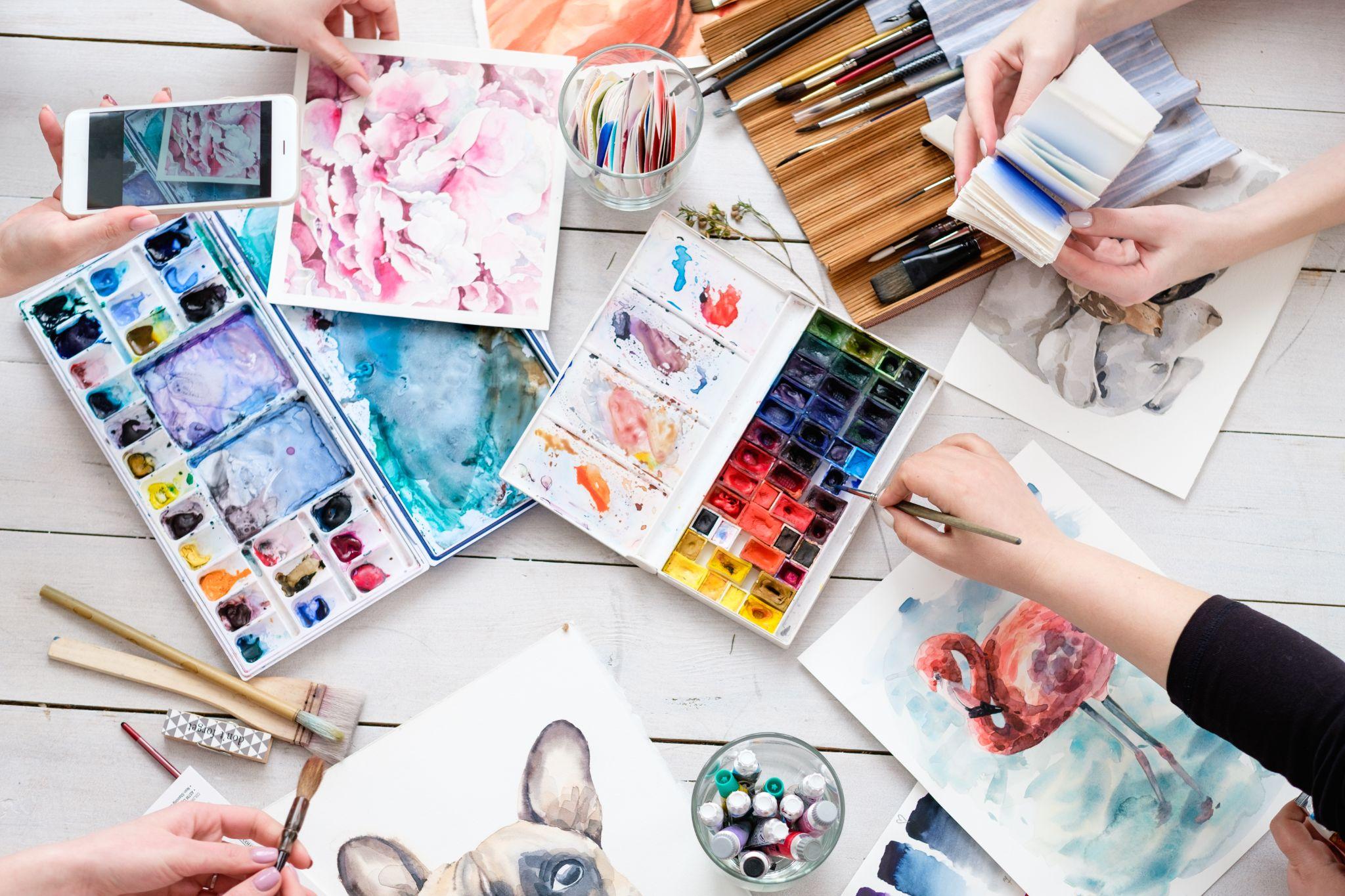


From Pain to Purpose: How Art Therapy Strengthens Mind and Spirit in Recovery

Recovery from addiction is rarely a straight path. It often begins in pain, confusion, and emotional exhaustion. Yet within that struggle, there is also the possibility of transformation. One of the most powerful tools supporting this transformation is art therapy. Through creative expression, individuals in recovery can process deep emotions, rebuild inner strength, and reconnect with a sense of meaning. When integrated into addiction recovery and mental health treatment, art therapy helps turn pain into purpose and supports healing of both mind and spirit.

Understanding Art Therapy in Addiction Recovery

Art therapy is a therapeutic approach that uses creative activities such as painting, drawing, sculpture, and writing to support emotional and psychological healing. It is guided by trained professionals who help individuals explore thoughts and feelings that may be difficult to express in words.

In structured treatment settings, including inpatient and outpatient care, art therapy is often combined with counseling, mental health support, and holistic care plans. This integrated approach allows individuals to address addiction from multiple angles, not just behavior, but also emotion, identity, and spiritual well-being.

Why Creativity Supports Emotional Healing

Addiction is often rooted in unresolved emotional pain, trauma, or chronic stress. These experiences can feel overwhelming and difficult to articulate. Art therapy provides a safe outlet to externalize these emotions in a nonverbal way.

When individuals create art, they begin to give shape to internal experiences. This process can reduce emotional intensity, increase clarity, and help uncover patterns connected to substance use. Over time, creative expression supports emotional regulation and builds healthier coping skills.

Strengthening Mental Health Through Expression

Mental health and addiction are closely connected. Conditions such as anxiety, depression, and trauma often coexist with substance use disorders. Without proper support, these challenges can make recovery more difficult.

Art therapy supports mental health by encouraging mindfulness and emotional awareness. Engaging in creative work can calm the nervous system, reduce stress, and shift focus away from negative thought patterns. This makes it a valuable complement to traditional therapy and clinical treatment.

How Art Therapy Strengthens Mind and Spirit

Recovery is not only about healing the mind. It is also about restoring a sense of identity, purpose, and spiritual balance. Art therapy supports this deeper level of healing in meaningful ways.

Rebuilding Emotional Strength and Resilience

Creating art allows individuals to sit with their emotions in a controlled and supportive environment. This builds emotional tolerance and resilience over time.

Each creative session becomes an opportunity to process difficult feelings such as grief, anger, or shame. As individuals continue this work, they often develop greater emotional stability and confidence in their ability to cope with life’s challenges without returning to substance use.

Reconnecting With Identity and Purpose

Addiction can distort self-image and disconnect individuals from who they truly are. Art therapy helps rebuild identity by encouraging self-expression and reflection.

Through painting or writing, individuals can explore personal stories, values, and aspirations. This process supports a renewed sense of purpose, which is essential for long-term recovery. When people begin to see themselves beyond addiction, motivation for healing naturally grows stronger.

Supporting Spiritual and Holistic Healing

Many holistic and faith-based recovery programs recognize the importance of spiritual well-being. Art therapy can complement this by offering a reflective and grounding practice.

Creative expression can feel meditative. It encourages presence, gratitude, and introspection. For some individuals, it becomes a way to explore faith, meaning, and connection in a deeply personal and non-judgmental space.

Integrating Art Therapy Into Comprehensive Treatment

At MandanArt, addiction recovery is approached through individualized, compassionate care. This includes mental health treatment, inpatient and outpatient programs, and holistic support designed to meet the needs of each person.

Art therapy fits naturally into this model by offering a flexible and accessible form of healing. It can be structured or open-ended depending on the individual’s needs and comfort level.

Personalized Care for Individual Recovery Journeys

No two recovery journeys are the same. Some individuals benefit from guided creative exercises focused on emotional processing. Others find value in free expression that allows thoughts and feelings to emerge naturally.

This flexibility ensures that art therapy remains client-centered and supportive of each person’s unique path.

Building Connection Through Shared Expression

Group art therapy sessions also play an important role in recovery. Sharing creative work in a supportive environment helps reduce isolation and builds connection.

These shared experiences foster trust, empathy, and encouragement among participants. This sense of community can be a powerful protective factor in maintaining long-term sobriety.

Practical Benefits of Art Therapy in Recovery

Art therapy provides practical tools that support everyday life in recovery. It helps individuals manage stress, improve focus, and develop healthy coping strategies.

It also builds confidence through accomplishment. Completing a creative piece reinforces a sense of progress and self-worth, which are essential for sustaining motivation in recovery.

Conclusion: Turning Pain Into Purpose Through Creativity

Recovery is not just about letting go of addiction. It is about building a life rooted in meaning, strength, and emotional balance. Art therapy offers a powerful pathway for this transformation by helping individuals process pain, reconnect with identity, and strengthen both mind and spirit.

If you or someone you love is seeking support for addiction or mental health challenges, compassionate help is available. MandanArt provides individualized, holistic treatment designed to support healing at every level. Reaching out can be the first step toward turning pain into purpose and building a healthier, more fulfilling future.


Creative Sobriety: Using Painting, Writing, and Expression to Rebuild Your Life

Recovery from addiction is not only about stopping substance use. It is about rebuilding identity, repairing emotional wounds, and learning how to live with clarity and purpose again. For many people, words alone are not enough to express what they have been through. This is where creative expression becomes a powerful part of healing. Painting, writing, and other expressive therapies offer a safe and meaningful way to process emotions, reduce stress, and reconnect with a sense of self. In comprehensive addiction recovery and mental health treatment, creative sobriety can become a foundation for lasting change.

Understanding Creative Sobriety in Addiction Recovery

Creative sobriety refers to using artistic expression as a supportive tool in recovery. It is not about artistic skill or talent. Instead, it is about using creativity as a way to communicate emotions, reflect on experiences, and build healthier coping strategies.

In structured treatment settings such as inpatient and outpatient programs, creative therapies are often integrated alongside counseling and clinical care. This holistic approach helps individuals address both the emotional and psychological layers of addiction.

Why Creative Expression Works in Healing

Addiction often develops alongside unresolved trauma, emotional pain, or chronic stress. These experiences can be difficult to verbalize. Creative activities like painting or writing provide an alternative pathway for expression.

When someone paints what they feel or writes about their experiences, they begin to externalize internal struggles. This process helps reduce emotional intensity and creates space for reflection. Over time, this can improve emotional regulation, self-awareness, and resilience.

Supporting Mental Health Through Creativity

Mental health plays a central role in addiction recovery. Anxiety, depression, and trauma symptoms can increase vulnerability to relapse if left unaddressed. Creative expression helps support mental health by encouraging mindfulness and emotional processing.

Engaging in art or writing can calm the nervous system and shift focus away from negative thought patterns. It also gives individuals a sense of control and accomplishment during a time when life may feel uncertain.

How Painting, Writing, and Expression Support Recovery

Creative practices are not just therapeutic tools. They are practical strategies that support everyday recovery.

Painting as Emotional Release

Painting allows individuals to express emotions visually without needing to explain them. Colors, shapes, and textures often reflect feelings that are difficult to put into words.

For someone in recovery, this can be especially powerful. Anger, grief, guilt, and hope can all be expressed on canvas. This emotional release can reduce internal pressure and support healthier coping responses.

Writing as Self-Reflection and Clarity

Writing helps individuals organize thoughts and reflect on their recovery journey. Journaling, poetry, or storytelling can reveal patterns in thinking and behavior.

This practice encourages honesty and self-awareness. It also helps individuals track progress over time, which can strengthen motivation and commitment to sobriety.

Creative Expression as Identity Reconstruction

Addiction can deeply affect how a person sees themselves. Creative expression helps rebuild identity by allowing individuals to explore who they are beyond addiction.

Through art and writing, people can rediscover interests, values, and personal strengths. This process supports long term recovery by reinforcing a healthier and more empowered sense of self.

Integrating Creative Therapy Into Holistic Treatment

At MandanArt, addiction recovery is approached through individualized and holistic care. This includes mental health treatment, inpatient and outpatient programs, and supportive therapeutic approaches that address the whole person.

Creative expression fits naturally into this model. It complements traditional therapy by offering another way to process emotions and build coping skills.

Personalized Healing Paths

No two recovery journeys are the same. Some individuals may benefit from structured art therapy sessions guided by a clinician. Others may prefer open creative exploration as part of their treatment plan.

Personalization ensures that each person can engage in healing in a way that feels safe, meaningful, and effective.

Building Connection and Support

Group creative sessions also play an important role in recovery. Sharing artwork or written reflections can help individuals feel understood and less alone.

This sense of connection is essential. Supportive relationships often strengthen accountability and improve long term recovery outcomes.

Practical Benefits of Creative Sobriety

Creative expression offers real, everyday benefits that extend beyond therapy sessions.

It helps reduce stress and anxiety, improves emotional awareness, and builds healthy coping skills. It also encourages patience, focus, and discipline, which are all important in maintaining sobriety.

Most importantly, it gives individuals a constructive outlet during moments of emotional difficulty, reducing the risk of returning to harmful behaviors.

Conclusion: Rebuilding Life Through Creative Healing

Recovery is not just about leaving addiction behind. It is about building a life that feels meaningful, stable, and authentic. Painting, writing, and creative expression offer powerful tools for emotional healing and personal growth.

Creative sobriety helps individuals process their past, understand their emotions, and rediscover their identity in recovery. When combined with compassionate, individualized treatment, it becomes a meaningful part of long term healing.

If you or someone you love is struggling with addiction, support is available. MandanArt offers compassionate, holistic, and personalized care designed to support both mental health and addiction recovery. Reaching out can be the first step toward healing, stability, and a renewed sense of purpose.


top