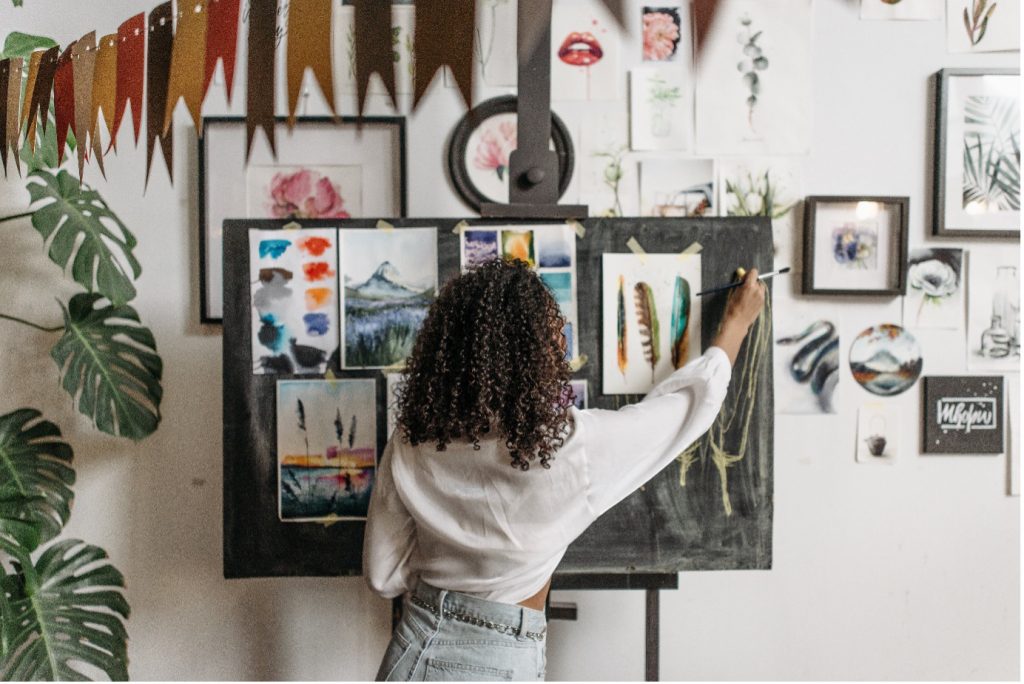
Addiction can make life feel increasingly narrow. Substance use may become the primary way a person copes with stress, emotional pain, trauma, loneliness, or difficult circumstances. Recovery opens the door to something different: learning healthier ways to express emotions, manage challenges, reconnect with others, and build a meaningful life. Art therapy for addiction can be one valuable part of that process. Through painting, drawing, writing, music, photography, and other creative activities, people in recovery can explore feelings and experiences that may be difficult to communicate through conversation alone.
Creative therapy is not about producing perfect artwork or becoming an artist. Instead, it provides another avenue for self-expression and reflection. When incorporated into a comprehensive addiction treatment program, art therapy can complement counseling, mental health care, and other evidence-based services while supporting the individual as a whole.
What Is Art Therapy for Addiction Recovery?
Art therapy is a therapeutic approach that uses creative expression to help individuals explore emotions, experiences, thoughts, and personal goals. It can involve a variety of activities, including drawing, painting, sculpture, collage, journaling, or other forms of creative work.
For someone recovering from addiction, the creative process can provide a structured opportunity to slow down and reflect. A person might create an image representing how addiction has affected their life, draw something connected to a difficult memory, or create a visual reminder of the future they want to pursue.
You Do Not Have to Be an Artist
A common misconception is that art therapy requires artistic ability. It does not.
The purpose is not to create a masterpiece. What matters is what the creative process means to the individual. A simple sketch may communicate something deeply personal. A page of writing may help organize thoughts that previously felt overwhelming.
This makes creative therapy accessible to people with very different backgrounds, personalities, and interests.
Why Creativity Can Matter During Addiction Treatment
Addiction often involves emotional avoidance. Drugs or alcohol may temporarily numb painful feelings, but they do not resolve the underlying issues. Once substance use stops, those emotions can become more noticeable.
Recovery therefore involves learning how to experience difficult emotions without returning to destructive coping behaviors.
Creating a Healthy Emotional Outlet
Creative activities can give people a constructive way to express anger, sadness, fear, grief, frustration, or hope.
For example, someone who struggles to talk about grief may find it easier to write about it or represent it visually. Another person may use painting to explore feelings they have difficulty identifying.
This does not mean creative expression replaces professional counseling. Rather, it can give therapy another starting point for meaningful conversations.
Developing Emotional Awareness
Successful recovery involves becoming more aware of what happens internally before unhealthy behaviors occur. Creative activities can encourage individuals to pause and examine their thoughts and emotions.
A journal, sketchbook, or creative project can become a record of changing feelings and perspectives. Over time, individuals may begin recognizing emotional patterns and identifying situations that require additional support.
Art Therapy Can Complement Mental Health Treatment
Addiction and mental health concerns can overlap in complicated ways. Anxiety, depression, trauma, chronic stress, low self-esteem, and other emotional difficulties can influence substance use and make recovery more challenging.
That is why comprehensive treatment often addresses both substance use and mental health.
Exploring Experiences That Are Difficult to Explain
Not every experience can easily be described in a conversation. Creative work can provide an alternative form of communication.
A therapist may invite a client to create something related to a particular emotion or life experience. The resulting work can then become part of a broader therapeutic discussion.
The meaning belongs to the individual who created it. There is no universal interpretation for a particular color, shape, image, or subject. Instead, the creative process gives the person an opportunity to explain what their work means to them.
Supporting Stress Management
Stress is a common challenge throughout recovery. Learning to manage stress without drugs or alcohol is therefore an important long-term skill.
Creative activities can become one healthy coping strategy. Spending time drawing, painting, writing, playing music, or engaging in another creative interest may provide a constructive break from everyday pressure.
The goal is not to avoid problems. It is to develop healthier ways of responding to them.
Rebuilding Identity After Addiction
Addiction can gradually become central to a person’s identity. Someone may begin to define themselves by their substance use, past mistakes, damaged relationships, or setbacks.
Recovery creates an opportunity to rediscover other parts of who they are.
Discovering Interests and Strengths
Creative activities can introduce people to interests they may have forgotten or never had an opportunity to explore.
A person might discover a love for photography. Someone else might enjoy writing, painting, woodworking, music, or another creative pursuit.
These experiences can reinforce an important recovery message: a person’s future is not limited to their past.
Building Confidence Through Small Accomplishments
Recovery is built through many small decisions and accomplishments. Completing a creative project can provide another opportunity to experience progress.
Learning a new skill, finishing a drawing, writing several pages in a journal, or simply setting aside time for creative expression can reinforce a sense of personal capability.
Those experiences may become especially meaningful for individuals whose confidence has been affected by addiction.
Incorporating Creativity Into Holistic Recovery
Holistic addiction treatment considers the individual as a whole rather than focusing exclusively on substance use. Physical health, emotional well-being, relationships, personal values, spirituality, and daily routines can all be important components of recovery.
Creative therapy fits naturally within this broader approach.
Connecting Creativity With Personal Values
For some people, spirituality and faith are important sources of strength. Creative expression can provide a way to explore those beliefs during recovery.
Someone may write about forgiveness, create artwork inspired by meaningful spiritual ideas, or use journaling as a way to reflect on gratitude and purpose.
A personalized treatment approach recognizes that people draw strength from different sources. Creative therapy can be adapted to fit individual interests, beliefs, comfort levels, and therapeutic goals.
Art Therapy in Inpatient and Outpatient Recovery
Creative approaches can be incorporated into different levels of addiction and mental health care. The specific activities should always be appropriate to the individual’s needs and guided by qualified professionals when used as therapy.
Creative Activities During Inpatient Treatment
Inpatient treatment provides a structured environment where individuals can focus on stabilization and recovery. Creative activities may provide opportunities for reflection, emotional expression, and healthy use of time.
They can also complement individual counseling, group therapy, behavioral treatment, and other services.
For someone who is accustomed to responding to stress through substance use, learning to spend time in a productive creative activity can be an important part of developing new routines.
Continuing Creative Practices in Outpatient Care
Outpatient treatment allows individuals to continue receiving professional support while returning to many of their everyday responsibilities.
Creative practices can continue outside formal treatment sessions. Keeping a recovery journal, attending an art class, taking photographs, writing music, or setting aside regular time for drawing can help maintain a healthy routine.
These activities should complement, rather than replace, ongoing addiction and mental health treatment.
Practical Creative Activities for People in Recovery
You do not need expensive supplies or specialized training to begin exploring creativity. Start with something simple and personally meaningful.
Try These Recovery-Focused Activities
- Keep a recovery journal: Write about emotions, challenges, accomplishments, and goals.
- Create a recovery collage: Use words and images that represent the life you want to build.
- Paint an emotion: Choose colors, shapes, and images that represent how you feel.
- Write to your future self: Describe the person you hope to become and the values you want to maintain.
- Create a gratitude page: Record people, experiences, and opportunities you appreciate.
- Photograph meaningful moments: Capture ordinary experiences that remind you of progress.
- Make a personal recovery symbol: Create an image that represents strength, hope, faith, or a new beginning.
There is no right or wrong way to approach these activities. The purpose is personal expression and reflection.
Creativity Can Become Part of a Larger Recovery Plan
Art therapy should not be viewed as a replacement for medical care, counseling, behavioral treatment, or other professional addiction services. Instead, it can be one component of a personalized recovery plan.
Every person’s experience with addiction is different. Some individuals may benefit from residential care and intensive support, while others may participate in outpatient treatment. Mental health services may also be important when emotional or psychological concerns are contributing to substance use.
A strong treatment plan considers these differences and adjusts support accordingly.
Creative therapy can add another dimension to that individualized process by helping people explore their emotions, develop healthy coping strategies, recognize personal strengths, and reconnect with their sense of identity.
Conclusion: Give Recovery a New Creative Direction
Sobriety is about more than putting substances aside. It is about learning how to live differently. That means developing healthier coping skills, addressing mental health concerns, rebuilding relationships, rediscovering personal strengths, and creating a future that feels worth protecting.
Art therapy for addiction can support that process by giving people another way to express what they feel and explore who they are becoming. A blank page, canvas, photograph, or creative project cannot solve addiction on its own, but it can become part of a meaningful therapeutic experience when combined with appropriate professional care.
If addiction is affecting your life or the life of someone you love, reaching out for help is a meaningful first step. With individualized addiction treatment, mental health support, and holistic approaches that respect the whole person, recovery can offer more than sobriety. It can provide an opportunity to create a healthier life, one choice and one new expression at a time.