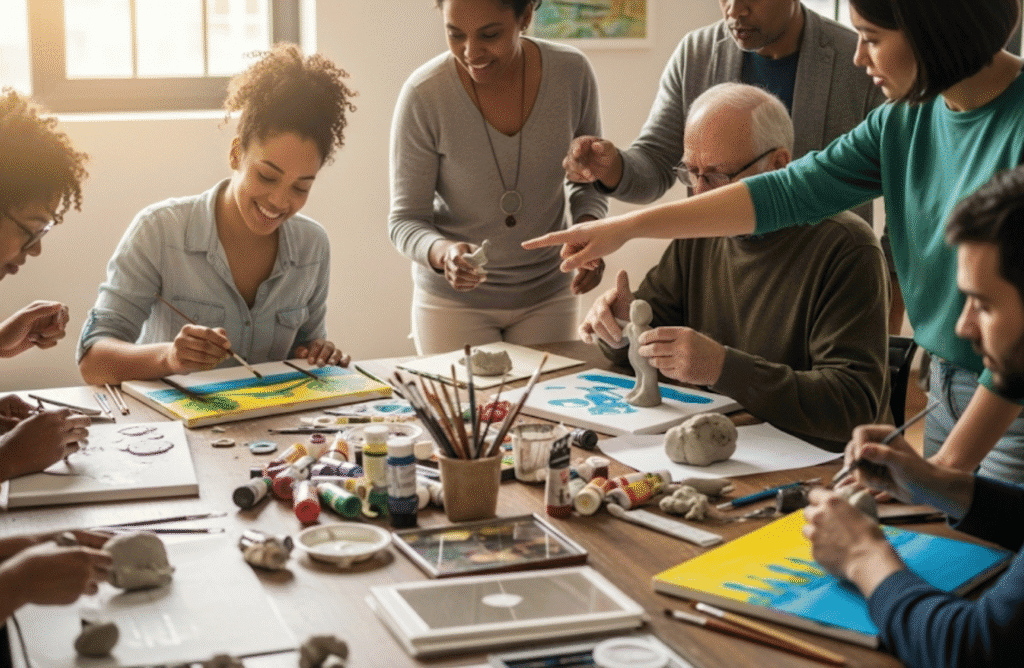
Addiction recovery is not only about breaking free from substances. It is about rebuilding a life that feels meaningful, stable, and authentic. Many individuals entering treatment struggle with more than physical dependence. They often face emotional pain, loss of identity, and difficulty expressing what they feel. Creative sobriety offers a powerful solution by using art therapy to support emotional healing and identity reconstruction. Through creative expression, individuals in recovery can process experiences, regain self-understanding, and build a stronger foundation for lasting sobriety.
Understanding Creative Sobriety in Addiction Recovery
Creative sobriety refers to the use of artistic expression as a therapeutic tool in addiction treatment. It includes activities such as painting, drawing, writing, sculpture, and other forms of creative work that help individuals express thoughts and emotions in nonverbal ways.
At its core, creative sobriety is not about artistic skill. It is about using creativity as a pathway to emotional clarity, self-awareness, and healing. In structured addiction recovery and mental health treatment settings, art therapy is often integrated alongside counseling, group therapy, and individualized care plans.
Why Creative Expression Matters in Healing Addiction
Addiction often develops as a way to cope with emotional distress, trauma, or unresolved psychological pain. Over time, these emotions can become difficult to express or even recognize.
Art therapy provides a safe and supportive space to externalize these internal experiences. When individuals create art, they begin to give shape to emotions that may otherwise feel overwhelming. This process helps reduce emotional intensity and supports healthier ways of coping.
Supporting Mental Health Through Creativity
Mental health plays a critical role in addiction recovery. Conditions such as anxiety, depression, and trauma-related stress often accompany substance use disorders.
Creative expression supports mental health by promoting mindfulness, emotional regulation, and relaxation. Engaging in artistic activities can help calm the nervous system and shift attention away from negative thought patterns. This makes art therapy a valuable complement to clinical treatment and behavioral therapy.
How Art Therapy Helps Rebuild Identity in Recovery
One of the most important aspects of recovery is rebuilding identity. Addiction can distort self-image and disconnect individuals from their values, goals, and sense of purpose. Art therapy helps restore this connection through self-exploration and creative reflection.
Rediscovering the Self Through Art
Creative expression allows individuals to explore who they are beyond addiction. Through painting or writing, they can reflect on personal experiences, emotions, and aspirations.
This process encourages self-discovery and helps individuals begin to see themselves in a new light. Over time, it supports the development of a healthier and more positive identity, which is essential for sustained recovery.
Processing Emotional Pain Safely
Recovery often brings unresolved emotions to the surface. Feelings such as shame, grief, guilt, and fear can feel overwhelming without proper support.
Art therapy provides a structured and safe way to process these emotions. By expressing feelings creatively, individuals can begin to understand and release emotional burdens in a healthy way. This reduces emotional suppression and supports long term psychological healing.
Building Confidence and Emotional Resilience
Addiction can significantly impact self-esteem. Many individuals in recovery struggle with feelings of inadequacy or self-doubt.
Completing creative work helps rebuild confidence. Each artistic expression becomes a reminder of capability and progress. This sense of achievement strengthens emotional resilience and supports motivation for continued sobriety.
Integrating Art Therapy Into Holistic Treatment Programs
At MandanArt, addiction recovery is approached through compassionate, individualized, and holistic care. Treatment may include inpatient and outpatient programs, mental health support, counseling, and faith-based guidance tailored to each person’s needs.
Art therapy is an important part of this approach because it supports healing on emotional, psychological, and spiritual levels.
Personalized Creative Healing
Every recovery journey is unique. Some individuals benefit from structured art therapy sessions led by professionals, while others prefer open-ended creative exploration.
Personalized approaches ensure that each client can engage in a way that feels safe, meaningful, and aligned with their recovery goals.
Building Connection Through Shared Creativity
Group art therapy sessions also play a valuable role in recovery. Sharing creative work helps individuals connect with others who understand their experiences.
This sense of connection reduces isolation and builds a supportive community. These relationships can strengthen accountability and encourage long-term recovery success.
Practical Benefits of Creative Sobriety
Creative sobriety provides practical tools that support everyday recovery. It helps individuals manage stress, improve focus, and develop healthier coping strategies.
It also encourages discipline, patience, and emotional awareness. These skills are essential for navigating challenges without returning to substance use.
Most importantly, creative expression offers a healthy outlet during moments of emotional difficulty, helping reduce the risk of relapse.
Conclusion: Rebuilding Identity Through Creative Healing
Recovery is not just about overcoming addiction. It is about rediscovering identity, rebuilding emotional strength, and creating a life filled with meaning and purpose. Creative sobriety, supported by art therapy, offers a powerful pathway for this transformation.
If you or a loved one is seeking compassionate addiction treatment that includes holistic and individualized care, MandanArt provides supportive programs designed to heal the whole person. Reaching out is the first step toward rediscovering who you are and building a stronger, healthier future in recovery.