Creative Sobriety

Using Art Therapy to Treat Addiction

This content shows Simple View

contributor

Crafting Clarity: How Creative Practices Enhance Mental Health in Recovery

Recovery from addiction is not solely about achieving sobriety; it also involves cultivating mental clarity, emotional balance, and a renewed sense of self. Many individuals in recovery face anxiety, depression, and lingering stress, which can hinder their journey toward lasting wellness. At Mandan Art, we understand the importance of addressing mental health alongside addiction treatment. Creative practices, such as art, writing, and hands-on crafts, provide an effective pathway to process emotions, reduce stress, and enhance overall mental well-being.

Understanding Mental Health in Recovery

Addiction and mental health are deeply interconnected. Substance use can mask underlying emotional struggles or exacerbate conditions like anxiety and depression. Effective recovery addresses both addiction and mental health simultaneously. Mandan Art offers comprehensive addiction recovery services, mental health treatment, and both inpatient and outpatient care. Our holistic, faith-based, and individualized approach ensures that each client receives tailored support designed to promote emotional, psychological, and spiritual healing.

Creative practices serve as a bridge between internal experiences and external expression, helping individuals navigate complex feelings and develop healthier coping strategies.

How Creative Practices Support Mental Health

Externalizing Emotions

Artistic and creative activities provide a safe space to express emotions that may be difficult to verbalize. Painting, drawing, journaling, or crafting allows clients to visualize their internal experiences, fostering insight and self-awareness. By externalizing feelings, individuals can confront, process, and release emotions in a constructive way.

Reducing Stress and Anxiety

Engaging in creative practices encourages mindfulness and presence. Focusing on the process of creation, whether shaping clay or sketching, helps shift attention away from worries or negative thought patterns. This mindful engagement reduces stress, eases anxiety, and provides a calming effect essential for maintaining mental balance during recovery.

Building Resilience and Self-Esteem

Completing a creative project instills a sense of accomplishment. For individuals in recovery, these small achievements reinforce self-confidence and highlight personal strengths. Each creative endeavor becomes a tangible reminder of resilience and the ability to overcome challenges.

Encouraging Connection and Expression

Creative practices can also enhance communication with therapists and peers. Sharing artwork or craft projects allows individuals to express emotions indirectly, fostering empathy, understanding, and connection within recovery programs. This sense of community reinforces emotional support, reducing feelings of isolation that often accompany addiction and mental health struggles.

Integrating Creativity Into Holistic Recovery

At Mandan Art, creative practices are an integral component of holistic recovery programs. Alongside counseling, faith-based support, and wellness activities, art and crafts provide clients with a structured and effective outlet for emotional expression. Both inpatient and outpatient programs encourage regular engagement with creative activities to strengthen coping skills, self-awareness, and emotional resilience.

Practical Ways to Incorporate Creative Practices

  • Schedule regular creative time: Even short sessions of sketching, journaling, or crafting can support mental clarity.
  • Prioritize expression over perfection: Focus on conveying feelings rather than creating flawless artwork.
  • Reflect on your creations: Consider what your projects reveal about your thoughts, emotions, and progress.
  • Explore multiple mediums: Experiment with paint, clay, collage, or writing to find what resonates most.
  • Share selectively: Discussing creative work with a therapist or support group can deepen insight and connection.

Enhancing Recovery Through Creativity

Mental clarity and emotional balance are essential components of lasting recovery. Creative practices provide a powerful, accessible, and compassionate way to support mental health, foster resilience, and navigate the emotional challenges of addiction recovery. At Mandan Art, we guide clients in using creativity as a tool for self-expression, reflection, and healing.

If you or a loved one is seeking holistic support for mental health and recovery, reach out to Mandan Art today. Through crafting, creating, and exploring emotions, clarity and well-being become achievable steps on the journey to lasting sobriety.

Art as a Bridge: Connecting Emotions and Recovery Through Creativity

Recovery from addiction involves more than abstaining from substances. It requires understanding, processing, and healing from the complex emotions that often underlie addictive behaviors. At Mandan Art, we recognize that creativity offers a unique pathway to emotional recovery. Art acts as a bridge, allowing individuals to connect with their feelings, process trauma, and cultivate healthier coping strategies in a safe and constructive environment.

Understanding Emotional Healing in Addiction Recovery

Addiction can mask unresolved emotions, anxiety, and trauma, making emotional healing a critical component of recovery. Mandan Art provides comprehensive addiction recovery services, mental health treatment, and both inpatient and outpatient care. Our holistic, faith-based, and individualized approach ensures that every client receives compassionate support designed to meet their unique needs.

Art therapy serves as a vital tool in this process, providing a nonverbal medium through which clients can explore complex emotions, gain insight into their experiences, and practice self-expression.

How Art Bridges Emotions and Recovery

Translating Feelings into Visual Expression

Many individuals struggle to articulate the depth of their emotions. Art allows clients to externalize feelings through painting, drawing, or sculpting, providing a tangible outlet for emotional release. This translation of internal experiences into creative forms helps individuals better understand their emotions while reducing psychological tension.

Promoting Mindfulness and Focus

Engaging in artistic activities encourages focus on the present moment. Whether choosing colors, shaping clay, or composing a design, the act of creating fosters mindfulness. This meditative quality reduces stress and anxiety, both of which are common triggers for relapse. By cultivating presence, clients can develop healthier emotional regulation skills.

Building Connection and Communication

Art can serve as a bridge between individuals and their therapists, peers, or loved ones. Sharing creative work often sparks meaningful conversation, allowing clients to communicate emotions that might be difficult to express verbally. This enhanced communication strengthens therapeutic relationships and builds a sense of community within recovery programs.

Enhancing Self-Esteem and Resilience

Completing a creative project provides a sense of accomplishment and reinforces self-worth. Each finished artwork becomes a symbol of progress and resilience, helping clients rebuild confidence and recognize their ability to navigate challenges in recovery.

Integrating Art into Holistic Recovery Programs

At Mandan Art, art therapy is an integral part of a holistic treatment plan. It complements evidence-based counseling, faith-based support, and wellness practices to address mental, emotional, and spiritual needs simultaneously. Both inpatient and outpatient clients are encouraged to explore creativity as a regular component of their recovery journey.

Practical Ways to Incorporate Art in Recovery

  • Daily creative exercises: Short sessions of sketching, painting, or journaling support emotional expression.
  • Focus on self-expression: Let emotions guide the creative process rather than aiming for technical perfection.
  • Reflect on your work: Consider how your art reflects your feelings and progress in recovery.
  • Try different mediums: Experiment with painting, clay, or collage to find what resonates most.
  • Share safely: Discussing your artwork in therapy or group sessions can enhance understanding and empathy.

Bridging Emotions to Healing Through Creativity

Addiction recovery is a journey of both physical and emotional transformation. Art provides a bridge, connecting individuals to their emotions and offering a safe avenue for expression, reflection, and healing. At Mandan Art, we guide clients in harnessing creativity to process emotions, reduce stress, and build resilience on the path to lasting sobriety.

If you or a loved one is seeking compassionate, holistic support in recovery, reach out to Mandan Art today. Through art, emotional healing and personal growth become accessible, empowering, and transformative.


The Healing Palette: Exploring the Role of Art in Addiction Treatment

Recovery from addiction is a multifaceted journey that involves physical, emotional, and spiritual healing. While traditional therapies such as counseling and medical support play a vital role, many individuals benefit from creative outlets that foster self-expression and emotional resilience. At Mandan Art, we recognize the profound impact that art can have on recovery. Through artistic expression, clients can explore their emotions, process trauma, and build healthier coping strategies that support long-term sobriety.

Understanding the Role of Art in Recovery

Addiction often masks underlying emotional pain, anxiety, or trauma. Addressing these issues is essential for sustained recovery. Mandan Art provides comprehensive addiction recovery services, mental health treatment, and both inpatient and outpatient care. Our holistic, faith-based, and individualized approach ensures that every client receives the guidance and support needed to navigate the complex process of healing.

Art therapy serves as a bridge between emotion and expression. By translating feelings into visual forms, clients gain insights into their emotional landscape while practicing self-reflection and mindfulness.

Benefits of Art Therapy in Addiction Treatment

Expressing Emotions Safely

Many clients struggle to articulate the depth of their feelings. Art allows them to externalize emotions in a safe and constructive manner. Whether through painting, drawing, or sculpture, the creative process helps individuals confront difficult emotions without judgment or fear.

Reducing Stress and Anxiety

Engaging in art encourages focus and presence, promoting mindfulness. This meditative quality reduces stress and anxiety, both of which are common triggers for relapse. By centering attention on the creative process, clients can find calm and clarity in moments of emotional turmoil.

Rebuilding Self-Worth and Confidence

Completing a creative project fosters a sense of accomplishment. For individuals who have struggled with self-esteem, these tangible achievements reinforce personal capability and resilience. Each artwork becomes a testament to the individual’s strength and commitment to recovery.

Encouraging Connection and Community

Art therapy can also be conducted in group settings, allowing clients to share their work with peers. This shared experience promotes empathy, understanding, and a sense of belonging—essential elements for emotional support in recovery.

Integrating Art into Holistic Treatment

At Mandan Art, art therapy is seamlessly integrated into our comprehensive treatment programs. It complements evidence-based therapies, faith-based guidance, and holistic wellness practices, addressing the mental, emotional, and spiritual aspects of healing. Both inpatient and outpatient clients are encouraged to explore creativity as a core component of their recovery plan.

Practical Ways to Incorporate Art into Recovery

  • Start small: Daily sketches or journaling can make art therapy accessible and manageable.
  • Prioritize expression over perfection: Focus on conveying emotions rather than creating a “perfect” piece.
  • Reflect on your work: Consider how your creations reveal your emotional state or progress.
  • Experiment with mediums: Explore different forms of artistic expression, from paint to clay to collage.
  • Share selectively: Discuss your art in therapy sessions or group programs to enhance self-awareness and connection.

Harnessing Creativity for Lasting Recovery

Addiction recovery is not just about abstaining from substances; it is about reclaiming emotional balance, self-awareness, and a sense of purpose. Art therapy offers a powerful, tangible way to achieve these goals. At Mandan Art, we help clients use the healing palette to explore their emotions, process trauma, and build resilience on their journey to lasting sobriety.

If you or a loved one is seeking compassionate, holistic support in recovery, reach out to Mandan Art today. Through creativity, self-expression, and professional guidance, the path to healing becomes both accessible and transformative.


From Pain to Canvas: Transforming Trauma Through Art in Recovery

Addiction is often intertwined with unresolved trauma. Past experiences can leave deep emotional scars that fuel substance use and hinder recovery. Healing from these wounds requires more than traditional therapy alone. At Mandan Art, we recognize the transformative power of art in helping individuals process trauma, release pain, and reclaim their lives. Through creative expression, clients can turn their pain into a canvas for growth, resilience, and self-discovery.

Understanding Trauma in Addiction Recovery

Many individuals struggling with addiction have experienced trauma, whether in childhood, through relationships, or other life circumstances. Unaddressed trauma can contribute to emotional instability, anxiety, depression, and relapse. Emotional healing is a crucial component of sustained sobriety. Mandan Art provides comprehensive addiction recovery services, mental health treatment, and both inpatient and outpatient care. Our holistic, faith-based, and individualized approach ensures that every client receives support tailored to their unique journey.

The Role of Art Therapy in Healing Trauma

Expressing the Inexpressible

Trauma often leaves individuals with emotions that are difficult to articulate. Art therapy provides a safe and nonverbal outlet to externalize these feelings. Through painting, drawing, or sculpting, clients can convey pain, fear, and hope in ways that words may not capture. This process allows emotions to be acknowledged, validated, and processed in a constructive environment.

Safe Exploration of Difficult Memories

Revisiting traumatic experiences can be overwhelming. Art allows clients to approach these memories gradually and creatively. By visualizing trauma rather than reliving it verbally, individuals can gain perspective, reduce emotional intensity, and begin to reclaim control over their narrative.

Building Resilience and Self-Esteem

Completing an art project offers a tangible sense of achievement. Every brushstroke or sculpted figure represents a step forward in healing. This accomplishment reinforces self-worth, fosters confidence, and reminds clients of their ability to overcome challenges, both emotional and practical.

Encouraging Mindfulness and Emotional Regulation

Creating art requires focus and attention, which promotes mindfulness. This engagement helps clients regulate stress, reduce anxiety, and remain present in the moment. Mindful art practice can be a powerful coping mechanism for managing triggers and maintaining sobriety.

Integrating Art Therapy Into Holistic Recovery

At Mandan Art, art therapy is an integral part of a comprehensive treatment plan. It complements evidence-based counseling, faith-based guidance, and holistic wellness practices. Clients in both inpatient and outpatient programs are encouraged to incorporate creativity into their daily routines, helping them navigate emotional challenges, process trauma, and develop healthy coping strategies.

Practical Ways to Use Art in Recovery

  • Daily creative sessions: Even short periods of drawing, painting, or journaling can support emotional release.
  • Focus on expression over perfection: Allow feelings to guide the process rather than aiming for a flawless outcome.
  • Reflect on artwork: Consider how your creations reveal emotions, triggers, or progress in recovery.
  • Explore different mediums: Experiment with paint, clay, or collage to find what best expresses your emotions.
  • Share when ready: Discussing artwork with a therapist or peer group can enhance understanding and connection.

Transforming Pain into Progress

Trauma can feel isolating, but it does not have to define recovery. Art therapy provides a powerful bridge between pain and healing, offering individuals a means to process, express, and transform their experiences. At Mandan Art, we guide clients in turning their struggles into creativity, fostering emotional resilience, self-discovery, and hope for the future.

If you or a loved one is ready to transform trauma and embrace recovery, reach out to Mandan Art today. Through the healing power of art, your pain can become a pathway to growth, strength, and lasting sobriety.


Creating Calm: Using Artistic Expression to Manage Stress in Sobriety

Recovery from addiction is a journey that often comes with intense emotions, stress, and the need to develop new coping strategies. Maintaining sobriety requires more than avoiding substances; it requires learning to navigate life’s pressures in healthy and constructive ways. At Mandan Art, we have seen how artistic expression can be a powerful tool to manage stress, build emotional resilience, and foster a sense of calm during the recovery process.

Understanding Stress in Sobriety

Stress is a common challenge for individuals in recovery. Work pressures, personal relationships, and lingering emotional wounds can trigger anxiety and cravings. Without healthy outlets, stress can increase the risk of relapse. Mandan Art provides comprehensive addiction recovery services, mental health treatment, and both inpatient and outpatient care to address these challenges holistically. Our programs combine faith-based support, individualized treatment plans, and compassionate guidance to help clients rebuild their lives.

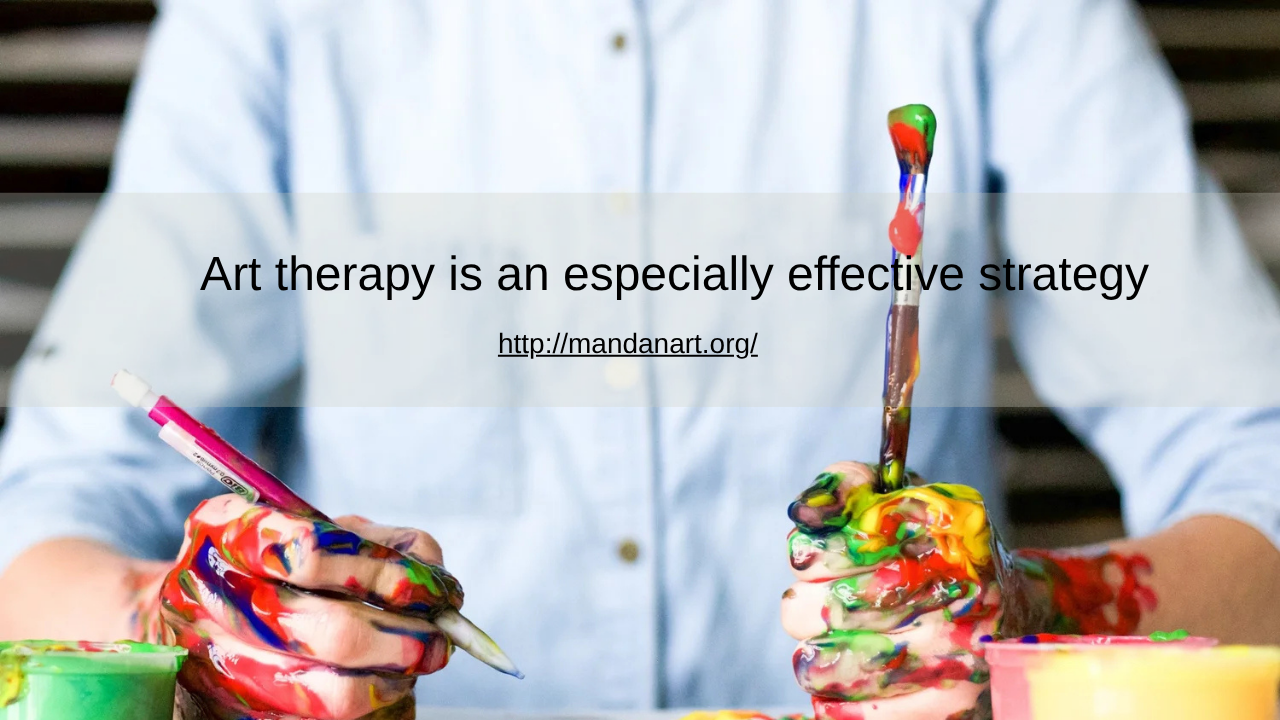
Art therapy is an especially effective strategy because it allows clients to express and process emotions without relying solely on words. It provides a safe and structured way to cope with stress while promoting mindfulness and emotional balance.

How Artistic Expression Reduces Stress

Engaging the Mind and Body

Art therapy involves both the mind and the body, whether through painting, drawing, sculpting, or other creative outlets. The act of creating focuses attention, which can shift the mind away from negative thoughts and worries. This concentration provides a mental break, giving the nervous system time to relax.

Encouraging Mindfulness

The process of creating art naturally encourages mindfulness. Focusing on the brushstroke, the texture of clay, or the flow of colors pulls attention into the present moment. This helps reduce anxiety, prevents overthinking, and promotes emotional regulation, which are essential skills for sustaining sobriety.

Emotional Release and Insight

Art allows for the safe expression of feelings that may be difficult to verbalize. By externalizing emotions through creative projects, clients gain insight into their inner world, release tension, and process challenging experiences in a constructive way.

Building Confidence and Resilience

Completing an art project provides tangible proof of accomplishment. This sense of achievement strengthens self-esteem and reinforces the belief that clients can handle stress and overcome challenges. Each creative session becomes a step toward building resilience in recovery.

Integrating Art Therapy into Recovery Programs

At Mandan Art, art therapy is integrated into our comprehensive approach to recovery. It complements evidence-based counseling, holistic wellness practices, and faith-based support to address emotional, mental, and spiritual needs. Both inpatient and outpatient clients are encouraged to explore creativity as a regular part of their treatment, helping them develop practical coping mechanisms for stress and anxiety.

Practical Ways to Use Art for Stress Management

  • Start a daily sketch or journal: Even 10 minutes of creative expression can help regulate emotions.
  • Experiment with mediums: Explore painting, clay, or collage to find the most calming method.
  • Focus on the process: Let the act of creating be more important than the final product.
  • Reflect on your work: Consider how the artwork reflects your emotional state and growth.
  • Share with support: Discussing your art in therapy or group sessions can deepen understanding and connection.

Finding Calm Through Creativity

Stress is an inevitable part of life, but it does not have to derail recovery. Artistic expression provides a powerful, accessible way to manage stress, process emotions, and build resilience. At Mandan Art, we guide clients in using creativity as a tool for emotional balance, helping them stay grounded and focused on their journey to lasting sobriety.

If you or a loved one is seeking effective ways to manage stress and strengthen recovery, reach out to Mandan Art today. Through creative expression, calm and clarity can become a part of your daily life.


Brushstrokes of Healing: How Art Therapy Supports Emotional Recovery

Addiction recovery is a journey that goes beyond physical sobriety. True healing requires addressing emotional wounds, building resilience, and rediscovering a sense of self. At Mandan Art, we understand that the mind and spirit often need just as much care as the body. Art therapy offers a powerful way to support emotional recovery, helping individuals process feelings, manage stress, and rebuild their lives through creative expression.

Understanding Emotional Recovery in Addiction Treatment

Recovery is more than abstaining from substances. Many individuals enter treatment with unresolved trauma, anxiety, depression, or self-esteem challenges. Emotional recovery is the process of working through these issues and developing healthy coping strategies. Mandan Art provides comprehensive addiction recovery services, mental health treatment, and both inpatient and outpatient care. Our holistic, faith-based, and individualized approaches ensure that each client receives compassionate support tailored to their unique journey.

The Role of Art Therapy in Healing

Expressing What Words Cannot

Sometimes, emotions are too complex to put into words. Art therapy allows individuals to externalize feelings through painting, drawing, sculpture, or other creative forms. By translating inner experiences into visual expression, clients gain insight into their emotions, release pent-up stress, and begin to process trauma safely.

Reducing Stress and Encouraging Mindfulness

Engaging in art encourages focus on the present moment, which naturally fosters mindfulness. This meditative process helps reduce anxiety, manage cravings, and build emotional regulation skills. The repetitive motions of brushstrokes or shaping clay create a calming rhythm that promotes emotional balance.

Rebuilding Self-Esteem and Identity

Completing a creative project provides a sense of accomplishment, helping clients rebuild self-worth and confidence. Art therapy allows individuals to reconnect with their identity beyond addiction, giving them tangible proof of their resilience and capability.

Strengthening Communication and Connection

Art also serves as an alternative form of communication. In group sessions, clients can share their work with peers, sparking empathy, understanding, and connection. This shared expression fosters community and reminds participants that they are not alone in their recovery journey.

Integrating Art Therapy Into Holistic Treatment

At Mandan Art, art therapy is woven into a holistic recovery plan. Alongside counseling, faith-based support, and evidence-based therapies, creative expression helps clients address emotional, mental, and spiritual needs simultaneously. Both inpatient and outpatient programs incorporate art as a tool for reflection, growth, and healing, making recovery a more engaging and personalized process.

Practical Tips for Using Art in Recovery

  • Start small: Begin with simple sketches or doodles to ease into creative expression.
  • Focus on emotion, not skill: The goal is self-expression, not artistic perfection.
  • Reflect on your work: Observe what your art reveals about your feelings and progress.
  • Make it routine: Regular creative sessions can strengthen coping skills and mindfulness.
  • Share selectively: Discussing your art with a therapist or trusted peer can deepen understanding and support.

Transforming Recovery Through Creativity

Art therapy provides a bridge between emotional pain and healing, allowing individuals to express what words cannot capture. At Mandan Art, we guide clients through this transformative process with compassion, professionalism, and individualized care.

If you or a loved one is ready to explore the benefits of art therapy in recovery, reach out to Mandan Art today. Through brushstrokes of healing, you can regain clarity, confidence, and a renewed sense of purpose on your path to lasting sobriety.


Ink, Clay, and Courage: Rebuilding Identity Through Artistic Expression in Recovery

Addiction can strip away more than physical health; it often erodes a person’s sense of self, leaving individuals feeling disconnected and uncertain about who they are without substances. At Mandan Art, we understand that true recovery involves rebuilding identity, restoring self-worth, and reclaiming the ability to express one’s inner world. Artistic expression offers a powerful avenue for this transformation. Through painting, drawing, and sculpting, individuals can explore emotions, process trauma, and cultivate a renewed sense of courage and purpose.

Understanding Identity in Addiction Recovery

Recovering from addiction is not only about maintaining sobriety. It is about rediscovering who you are and building a life rooted in meaning, confidence, and resilience. Many clients struggle with shame, guilt, and self-doubt, which can make the recovery process feel overwhelming. Mandan Art provides a holistic, faith-based, and individualized approach, combining addiction recovery services, mental health treatment, and inpatient and outpatient care to support every aspect of healing.

Art therapy becomes a vital tool in this journey. It allows individuals to explore the parts of themselves that may have been silenced by addiction, offering a safe space for reflection, self-discovery, and emotional release.

How Artistic Expression Rebuilds Identity

Externalizing Emotions Through Art

Art offers a way to express feelings that are difficult to verbalize. Using ink, clay, or paint, clients can translate internal experiences into tangible forms. This process not only provides emotional relief but also allows individuals to confront and process complex emotions safely.

Cultivating Confidence and Self-Worth

Completing a creative project, no matter the medium, instills a sense of accomplishment. Every brushstroke or molded clay figure serves as proof of capability and resilience. These small achievements reinforce self-esteem and help clients reconnect with their authentic identity.

Healing Trauma Through Creative Exploration

Many individuals in recovery carry unresolved trauma that has influenced their addiction. Artistic expression allows for exploration of these experiences without feeling overwhelmed. By creating visual representations of pain, clients can process trauma gradually and constructively, turning difficult memories into sources of insight and growth.

Encouraging Mindfulness and Emotional Balance

The act of creating art fosters mindfulness by focusing attention on the present moment. Whether painting, sketching, or sculpting, clients engage in a calming, meditative process that reduces anxiety and stress. This mindful engagement becomes a constructive coping mechanism, replacing unhealthy habits with positive expression.

Integrating Art Therapy Into Holistic Care at Mandan Art

At Mandan Art, art therapy is not an isolated practice but an integral component of comprehensive recovery. Our programs combine creative therapies with evidence-based counseling, faith-based support, and wellness practices. Both inpatient and outpatient clients are encouraged to use artistic expression to complement traditional treatment, ensuring emotional, mental, and spiritual growth.

Practical Tips for Using Art in Recovery

  • Experiment with mediums: Explore ink, watercolor, clay, or collage to find the most meaningful form of expression.
  • Focus on feelings, not perfection: Let creativity reflect emotion rather than technical skill.
  • Reflect on your work: Consider what your art reveals about your journey and identity.
  • Make it routine: Incorporate creative sessions regularly to strengthen emotional coping skills.
  • Share when ready: Discussing artwork with therapists or support groups can deepen understanding and connection.

Finding Courage and Rebuilding Self Through Art

Recovery is about reclaiming life and identity. Artistic expression provides the tools to explore, understand, and reconstruct the self in ways that foster courage and resilience. At Mandan Art, we guide clients in harnessing creativity as a path to emotional healing and renewed purpose.

If you or a loved one is ready to rebuild identity and embrace recovery through compassionate, individualized care, reach out to Mandan Art today. Through ink, clay, and courage, a new chapter of strength and self-discovery awaits.


Scripting Sobriety Through Art: Expressive Therapies in Addiction Treatment

Addiction recovery is not a one-size-fits-all journey. Every individual carries unique experiences, emotions, and challenges. While counseling, medical support, and structured treatment programs form the foundation of recovery, many people find that expressive therapies offer something traditional methods cannot. At Mandan Art, we recognize the healing power of creativity. By integrating art into recovery programs, we help individuals script new stories of sobriety and rediscover their voices in ways words alone cannot capture.

Why Expressive Therapies Matter in Recovery

Sobriety is about more than breaking free from substances. It requires healing on emotional, mental, physical, and spiritual levels. Many individuals enter treatment carrying unspoken pain, unresolved trauma, and self-doubt. Expressive therapies, such as art, provide a safe outlet to process these emotions and transform them into something constructive.

At Mandan Art, our services include addiction recovery programs, mental health treatment, and both inpatient and outpatient care. With a holistic, faith-based, and individualized approach, we ensure that clients are supported through every step of recovery. Art therapy is one of the tools we use to bridge the gap between silence and expression.

How Art Therapy Supports Sobriety

Giving Shape to Unspoken Emotions

Addiction often thrives in silence, where difficult feelings remain hidden. Art allows clients to put those emotions onto paper or canvas, making them visible and tangible. This process helps release what was once trapped inside, giving clients a new sense of relief and clarity.

Reducing Stress and Building Mindfulness

Creating art draws attention to the present moment. Whether painting, sketching, or sculpting, the focus on creativity encourages mindfulness and reduces stress. These calming practices become healthy coping mechanisms that can replace the urges that once fueled addiction.

Rebuilding Self-Worth Through Creation

Every piece of art, no matter how simple, represents progress. For individuals who have struggled with feelings of guilt, shame, or failure, creative accomplishment restores self-esteem. Each creation becomes a reminder that they are capable of growth and transformation.

Strengthening Communication and Connection

Not everyone feels comfortable sharing their struggles through words. Art provides an alternative language, one that helps clients communicate with therapists, loved ones, and peers in group sessions. Sharing artwork often sparks meaningful conversations and fosters empathy within the recovery community.

Integrating Art into Holistic Treatment at Mandan Art

Mandan Art is committed to treating the whole person. Our recovery programs do not stop at addressing substance use but also nurture emotional, mental, and spiritual healing. Art therapy is integrated into individualized treatment plans alongside evidence-based practices and faith-based support. Whether clients are in inpatient care or participating in outpatient services, they are encouraged to explore creativity as part of their healing process.

Practical Ways to Begin Expressive Healing

  • Start a visual journal: Draw or paint daily as a way to track emotional progress.
  • Explore different mediums: Experiment with clay, collage, or painting to find what feels most natural.
  • Reflect after creating: Ask yourself what the artwork reveals about your emotions.
  • Join group sessions: Sharing your art can build connection and reduce isolation.
  • Use art as a coping tool: Replace harmful habits with the calming act of creating.

Writing a New Chapter Through Art

Sobriety is more than removing substances from your life. It is about creating a future filled with meaning, hope, and purpose. Expressive therapies like art give individuals the chance to rewrite their story, turning pain into resilience and silence into expression.

At Mandan Art, we believe that every recovery journey deserves both compassion and creativity. If you or a loved one is seeking support, reach out to us today. Together, we can script a new chapter of healing, growth, and lasting sobriety.


The Art of Letting Go: Creativity as a Coping Mechanism in Recovery

Recovery from addiction is not just about breaking free from harmful substances. It is about learning new ways to cope with stress, regulate emotions, and rebuild a meaningful life. For many people, creativity provides a powerful outlet for release, reflection, and renewal. At Mandan Art, we see how artistic expression helps individuals let go of burdens they have carried for too long and find healthier ways to move forward.

Why Coping Skills Matter in Recovery

Healing from addiction involves addressing both the physical and emotional aspects of the disease. Without healthy coping strategies, stress, triggers, and unresolved emotions can make it harder to maintain sobriety. This is why Mandan Art offers comprehensive services that include addiction recovery programs, mental health treatment, and both inpatient and outpatient care. Each program is grounded in holistic, faith-based, and individualized approaches, ensuring that every client receives the tools they need to thrive.

Creative expression is one of those tools. By using art as a coping mechanism, individuals can process emotions that might feel overwhelming while also finding peace in the act of creating.

How Creativity Supports Letting Go

Releasing Emotions Safely

When emotions build up, they can become overwhelming. Art provides a safe outlet for those feelings. Whether painting, drawing, or sculpting, the act of creating allows individuals to externalize stress, anger, sadness, or fear. Putting those emotions onto a canvas or page makes them easier to release instead of holding them inside.

Finding Calm in the Process

Creative activities require focus and presence. This encourages mindfulness, which helps calm racing thoughts and ease anxiety. The repetitive motions of painting, sketching, or shaping clay can be grounding, creating a rhythm that soothes the nervous system.

Building Resilience Through Self-Expression

Each piece of art becomes a tangible reminder of growth and resilience. Even when life feels uncertain, the ability to create something meaningful fosters confidence and reinforces the belief that change is possible. This sense of accomplishment strengthens recovery and helps clients let go of self-doubt.

Reframing the Recovery Journey

Through creativity, clients can reimagine their own stories. Art allows them to transform painful memories into symbols of survival and strength. This reframing helps shift focus from the past to the possibilities of the future.

Integrating Creativity into Holistic Care at Mandan Art

At Mandan Art, art therapy is an integral part of a holistic healing plan. It works alongside counseling, medical support, faith-based guidance, and other therapeutic services. Whether clients are in inpatient or outpatient care, they are encouraged to use creative outlets as part of their daily recovery practices. By weaving art into treatment, we ensure that healing addresses the whole person—mind, body, and spirit.

Practical Ways to Use Art as a Coping Tool

  • Start with small projects: Sketch or doodle daily to build consistency.
  • Focus on the process, not the product: Let emotions guide your art instead of aiming for perfection.
  • Experiment with different mediums: Try painting, collage, or sculpture to see what resonates.
  • Reflect after creating: Ask yourself how the art reflects your inner state.
  • Share your art when ready: Discussing your work in therapy or group settings can deepen understanding and connection.

Embracing Freedom Through Creativity

Letting go is one of the hardest parts of recovery, but it is also one of the most freeing. Creativity provides a pathway to release what no longer serves you and to embrace a healthier, more hopeful future. At Mandan Art, we believe in the healing power of expression and are dedicated to helping individuals discover creative coping mechanisms that support long-term sobriety.

If you or a loved one is ready to begin the journey toward recovery, reach out to Mandan Art today. Your path to healing can start with a single brushstroke, and with each step, you move closer to freedom and


Visual Voices: How Art Helps Addicts Speak the Unspeakable

Addiction often leaves individuals carrying pain that feels too heavy to explain. For many, words are not enough to capture the depth of their emotions, traumas, or struggles. This silence can make recovery even more challenging. At Mandan Art, we understand that healing requires more than talk. Through art therapy, clients discover a powerful way to give voice to what has long remained unspoken. By turning inner experiences into visual expression, individuals find clarity, strength, and a renewed sense of hope.

Why Expression Matters in Recovery

Recovery is not only about ending substance use. It is also about addressing the emotional wounds and unresolved struggles that often fuel addiction. When people are unable to share their emotions verbally, those feelings can remain bottled up, increasing stress and vulnerability to relapse. Art therapy provides a safe and creative way to release those emotions, making it an essential part of the healing process.

At Mandan Art, our programs combine addiction recovery services, mental health treatment, and holistic care. We offer both inpatient and outpatient options, always tailored to each person’s unique needs. Our approach integrates faith-based and individualized methods, ensuring that every client feels supported on their journey.

The Role of Art in Giving Emotions a Voice

Art as an Emotional Outlet

Art gives people a chance to release feelings that are difficult to say aloud. Whether painting, drawing, or sculpting, creative work becomes a language of its own. This process helps individuals explore pain, grief, joy, and hope in ways that feel safe and empowering.

Breaking the Silence of Trauma

For many clients, trauma is at the core of their addiction. Discussing these memories in traditional talk therapy can feel overwhelming. Art therapy allows for gradual exploration, making it easier to process painful experiences without re-traumatization. The artwork itself becomes a testimony of survival and strength.

Building Self-Confidence Through Creativity

Every completed piece of art serves as proof of progress. Clients begin to see that they are capable of creating something meaningful, which builds self-worth and reinforces the belief that recovery is possible. These small victories create momentum toward long-term sobriety.

Creating Connections in Group Settings

In group art sessions, clients often share their creations with others. This fosters empathy and understanding, helping to reduce feelings of isolation. By visually expressing their emotions, clients invite connection and support from peers who may be experiencing similar struggles.

Integrating Art into Holistic Healing

Mandan Art believes in treating the whole person. Art therapy is not a replacement for counseling or medical treatment but a complement that strengthens emotional resilience. Alongside evidence-based therapies, faith-based guidance, and wellness practices, art therapy helps create balance and holistic healing. This approach ensures that individuals leave treatment not only sober but also emotionally stronger and more self-aware.

Practical Tips to Begin Expressing Through Art

  • Start simple: A pencil and paper are enough to begin.
  • Let feelings guide you: Focus on emotions, not technical skill.
  • Reflect afterward: Ask yourself what the art reveals about your inner state.
  • Make it consistent: Set aside time daily or weekly to create.
  • Share when ready: Showing your art to a trusted friend or therapist can deepen understanding.

Finding Your Visual Voice

Addiction recovery is about more than breaking free from substances. It is about rediscovering the ability to live fully, to feel deeply, and to express honestly. At Mandan Art, we believe that no emotion should remain locked away in silence. Through art therapy, clients find their voice without words and create a path toward emotional freedom and lasting sobriety.

If you or a loved one is seeking help, we invite you to explore how Mandan Art can guide you through a compassionate, individualized recovery process. Your healing story deserves to be seen, felt, and shared. Reach out today to begin your journey.


top