contributor
Addiction recovery is often described as a journey of rebuilding mind, body, and spirit. While traditional therapy and medical treatment are critical parts of healing, there are times when words alone are not enough. For many individuals, art therapy becomes the bridge between unspoken pain and emotional recovery. At Mandan Art, we believe that creativity has the power to unlock hidden emotions, ease suffering, and guide people toward lasting sobriety.
Why Emotional Recovery Matters in Addiction Treatment
Breaking free from addiction is not only about physical detox. Emotional recovery plays an equally important role. Many people struggling with addiction carry deep wounds, unresolved trauma, or overwhelming feelings that can fuel substance use. Without addressing these emotional roots, lasting sobriety can be difficult to achieve.
This is why Mandan Art offers a full spectrum of services, including addiction recovery programs, mental health treatment, and both inpatient and outpatient care. Our holistic and faith-based approach ensures that every client receives personalized care that treats the whole person, not just the symptoms of addiction.
The Role of Art Therapy in Recovery
Expression Beyond Words
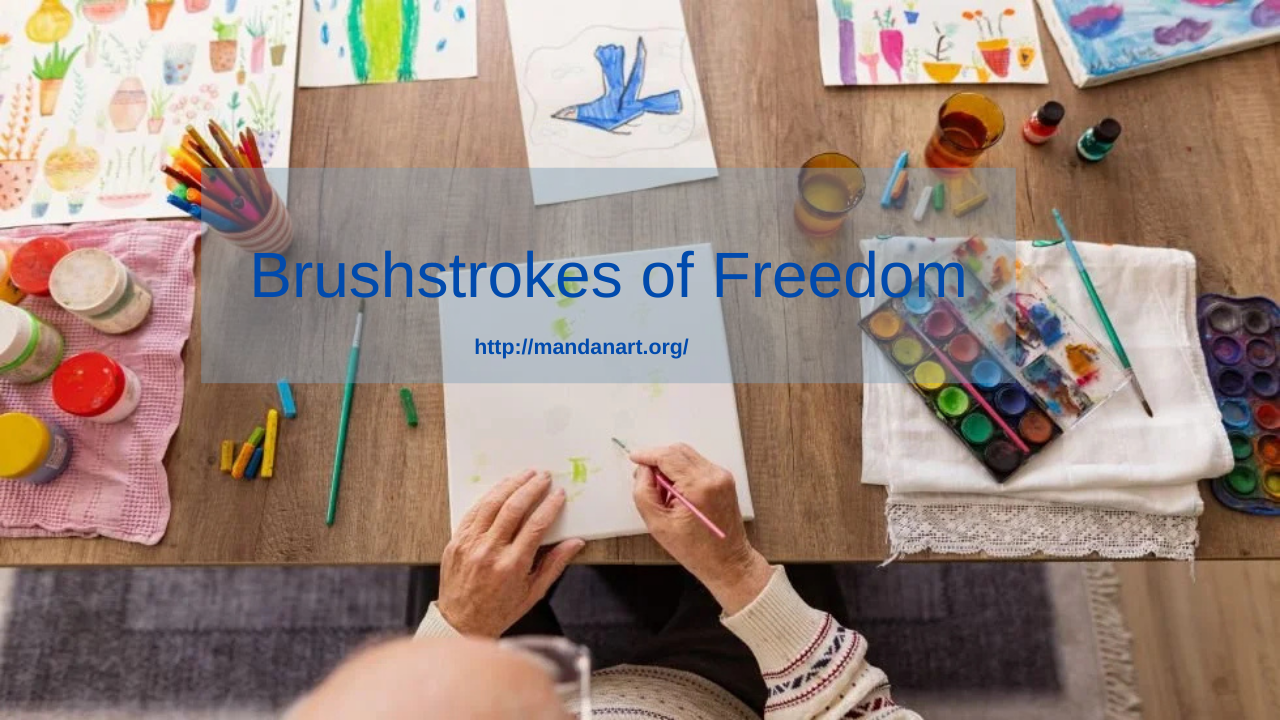
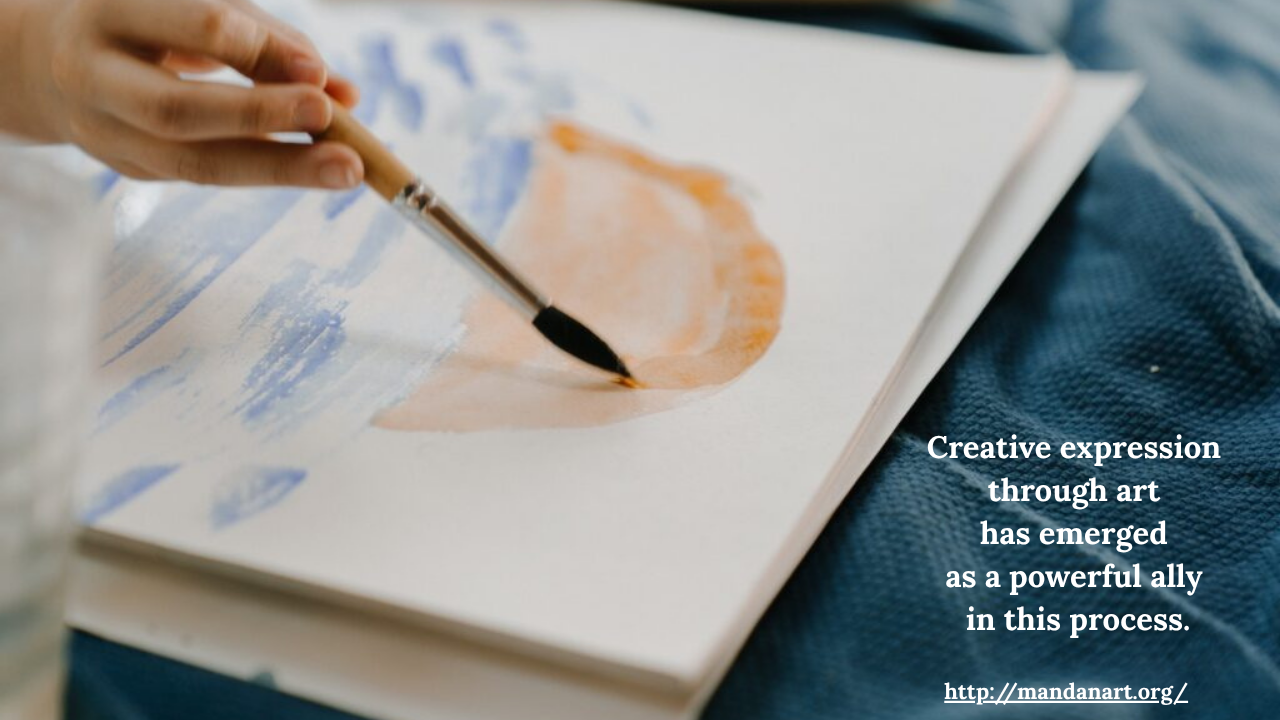
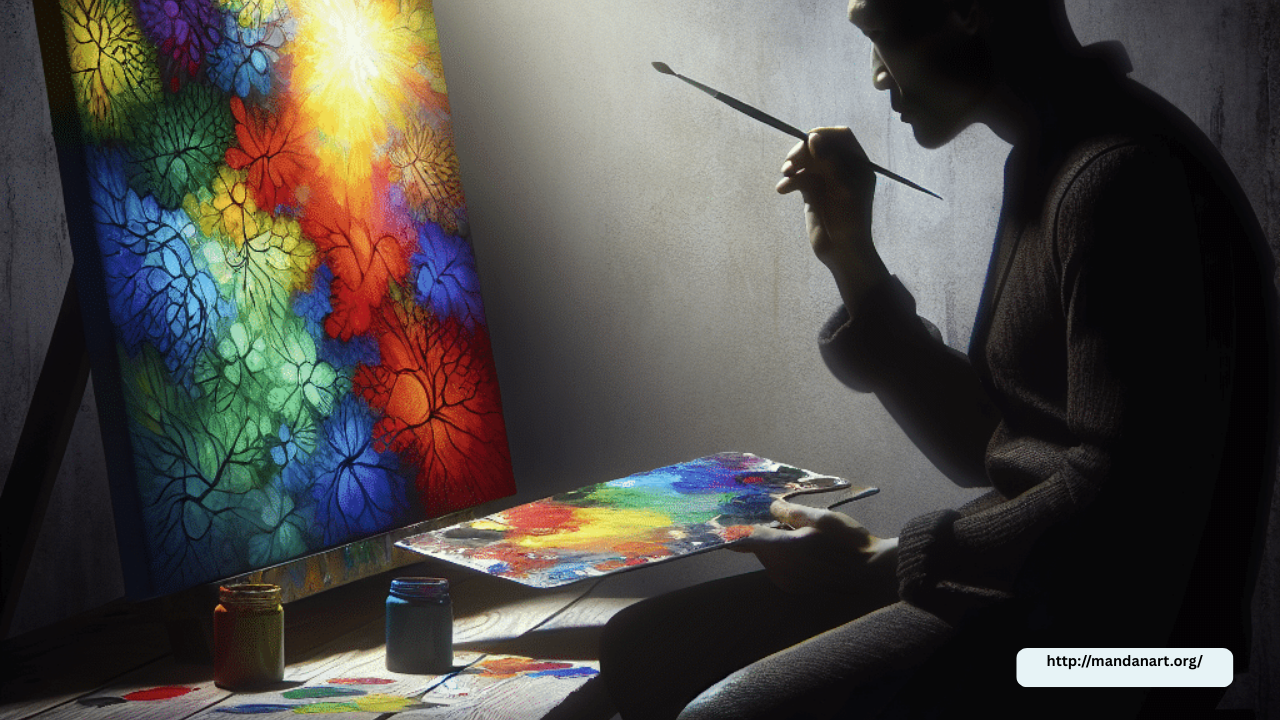
Some emotions are too complex or painful to put into words. Through painting, drawing, or sculpture, individuals can express feelings that may otherwise remain buried. This process provides relief and helps clients make sense of their experiences in a safe and nonjudgmental way.
Processing Trauma and Pain
Addiction often develops as a response to unresolved trauma. Art therapy gives clients the opportunity to revisit painful memories in a controlled and creative setting. Instead of being overwhelmed by the past, they can process it at their own pace, translating emotions into color, shape, and form.
Building Confidence and Self-Worth
Creating art fosters a sense of accomplishment. Each completed piece becomes a symbol of progress, reminding clients that they are capable of building something meaningful. This renewed sense of self-worth is an important building block for a healthy and sober future.
Stress Relief and Mindfulness
Engaging in art requires focus, which naturally shifts attention away from cravings, anxiety, or fear. This practice of mindfulness allows individuals to live in the present moment, promoting calm and reducing the stress that can trigger relapse.
How Mandan Art Integrates Creativity into Care
At Mandan Art, art therapy is not a stand-alone practice. It is woven into a comprehensive care plan that includes counseling, faith-based support, and evidence-based therapies. Whether in inpatient or outpatient programs, clients are encouraged to use creative outlets as part of their recovery journey. This combination ensures that every aspect of healing—physical, emotional, mental, and spiritual—is nurtured.
Practical Ways to Use Art for Healing
- Start a daily sketchbook: Use drawing as a journal to track emotions.
- Experiment with color: Notice how different colors reflect mood and energy.
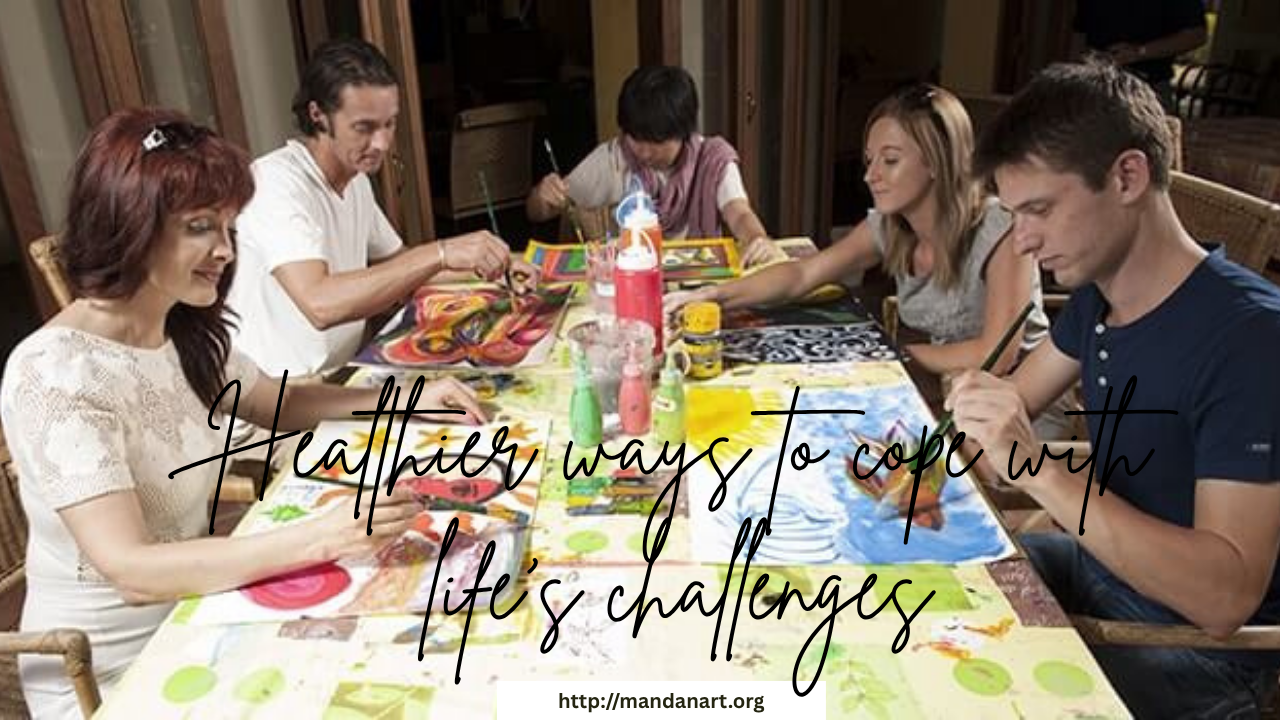
- Join a group session: Sharing artwork builds community and reduces feelings of isolation.
- Reflect after creating: Spend time understanding what your art reveals about your healing process.
Taking the Next Step Toward Healing
Recovery is not just about leaving addiction behind—it is about rediscovering joy, peace, and purpose. Art therapy offers a powerful way to heal the emotions that words cannot always capture. At Mandan Art, we are committed to walking beside you with compassion, professionalism, and care tailored to your unique journey.
If you or someone you love is ready to begin the path to sobriety, reach out to Mandan Art today. Healing without words is possible, and your recovery can become a masterpiece of strength and renewal.