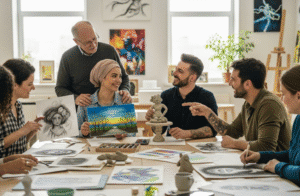
Recovery from addiction is about much more than achieving sobriety. It is about healing emotional wounds, rebuilding confidence, and discovering healthier ways to cope with life’s challenges. While medical care, counseling, and behavioral therapies are essential parts of treatment, many individuals benefit from creative approaches that allow them to express emotions beyond words. Art therapy has become an important part of modern addiction recovery because it encourages self-discovery, emotional healing, and personal growth. By incorporating creativity into a comprehensive treatment plan, individuals can begin breaking the cycle of addiction and building a stronger, healthier future.
At MandanArt, addiction recovery is approached with compassion and respect for every individual’s unique journey. Through personalized addiction recovery services, mental health treatment, inpatient and outpatient care, holistic therapies, and faith-based support, clients receive comprehensive care designed to promote lasting healing. Art therapy complements these services by helping individuals reconnect with themselves while developing the emotional resilience needed for long term recovery.
Understanding the Cycle of Addiction
Addiction rarely develops overnight. It often begins as an attempt to cope with emotional pain, stress, trauma, or untreated mental health conditions. While substances may temporarily numb difficult feelings, they do not resolve the underlying issues. Over time, unhealthy coping patterns become deeply rooted, making it increasingly difficult to break free.
Long term recovery requires addressing these emotional and psychological factors alongside physical dependence. Healing the whole person creates a stronger foundation for sustainable sobriety.
Why Emotional Healing Is Essential
Many individuals entering treatment carry unresolved experiences that continue to influence their thoughts and behaviors. Feelings of guilt, shame, anxiety, grief, or anger can remain long after substance use has stopped.
Learning to process these emotions in healthy ways reduces the risk of relapse and helps individuals develop greater emotional stability throughout recovery.
What Is Art Therapy?
Art therapy is a clinical therapeutic approach that uses creative activities such as painting, drawing, sculpture, collage, and creative writing to support emotional and mental health. Guided by trained professionals, individuals use the creative process to explore emotions, improve self-awareness, and strengthen coping skills.
The purpose of art therapy is not to create perfect artwork. Instead, it focuses on personal expression and emotional growth.
Creativity Without Artistic Experience
One of the greatest strengths of art therapy is that anyone can participate. Artistic talent is never required.
Every creative project becomes an opportunity to express thoughts, process emotions, and discover new perspectives. The process itself is where healing begins.
How Art Therapy Helps Break the Cycle of Addiction
Art therapy supports recovery by helping individuals replace harmful coping mechanisms with healthier emotional outlets.
Processing Difficult Emotions
Many emotions connected to addiction are difficult to express through conversation alone. Creative activities provide a safe environment where individuals can communicate feelings without relying entirely on words.
As artwork develops, individuals often gain insight into experiences they may have struggled to understand before. This increased emotional awareness strengthens recovery and supports lasting change.
Reducing Stress and Anxiety
Stress remains one of the most common relapse triggers. Art therapy encourages mindfulness by helping individuals focus on the present moment rather than becoming overwhelmed by worry or fear.
Creative expression promotes relaxation, reduces emotional tension, and helps regulate the body’s stress response. These benefits support both mental wellness and long term sobriety.
Building Healthy Coping Skills
Recovery depends on replacing destructive habits with healthy alternatives. Art therapy provides a constructive outlet that individuals can continue using throughout their lives.
Whether painting, journaling, sketching, or creating mixed media projects, creative expression offers a positive way to manage challenging emotions without returning to substance use.
Rebuilding Confidence Through Creative Healing
Addiction often damages self-esteem and leaves individuals questioning their abilities. Recovery involves rebuilding confidence one step at a time.
Rediscovering Personal Strengths
Many people entering treatment have lost touch with hobbies, talents, and personal interests. Art therapy encourages curiosity and self-exploration, helping individuals reconnect with strengths that addiction may have overshadowed.
This renewed sense of identity supports healthier decision making and increases motivation to continue moving forward.
Celebrating Progress
Every completed creative project represents growth. These accomplishments remind individuals that healing is possible through patience, persistence, and commitment.
Small victories gradually strengthen confidence and reinforce a positive outlook on recovery.
Art Therapy as Part of Holistic Addiction Treatment
At MandanArt, recovery extends beyond treating substance use alone. Holistic care recognizes that emotional, mental, physical, and spiritual well-being all contribute to lasting recovery.
Art therapy works alongside evidence based counseling, mental health services, faith-based guidance, and individualized treatment planning to create a comprehensive recovery experience.
Supporting Inpatient and Outpatient Programs
Creative therapies provide valuable support in both inpatient and outpatient settings.
During inpatient treatment, structured art therapy sessions encourage emotional exploration while helping establish healthy routines.
In outpatient care, creative practices become practical tools that individuals can continue using while balancing work, family responsibilities, and daily life.
Strengthening Mental Health
Many individuals receiving addiction treatment also experience anxiety, depression, or trauma related conditions. Art therapy complements traditional mental health care by promoting emotional regulation, self-reflection, and stress management.
These benefits contribute to greater emotional resilience throughout recovery.
Creating a Future Beyond Addiction
Recovery is not simply about avoiding substances. It is about building a fulfilling life with healthy relationships, meaningful goals, and positive daily habits.
Creative expression encourages individuals to imagine a future beyond addiction. It fosters hope, resilience, and confidence while providing lifelong tools for emotional wellness.
As creativity becomes part of everyday life, it continues supporting recovery long after formal treatment has ended.
Conclusion: Healing Through Creativity Begins Today
Breaking the cycle of addiction requires more than determination alone. It requires compassionate support, evidence based care, and healthy ways to process life’s challenges. Art therapy offers a powerful pathway toward emotional healing by helping individuals express themselves, rebuild confidence, and strengthen the skills needed for lasting sobriety.
If you or someone you love is seeking addiction recovery or mental health treatment, MandanArt offers personalized care designed to support every stage of healing. Through inpatient and outpatient programs, holistic therapies, faith-based support, and innovative approaches like art therapy, lasting recovery is possible. Reach out today to begin your journey toward a healthier, more hopeful future.