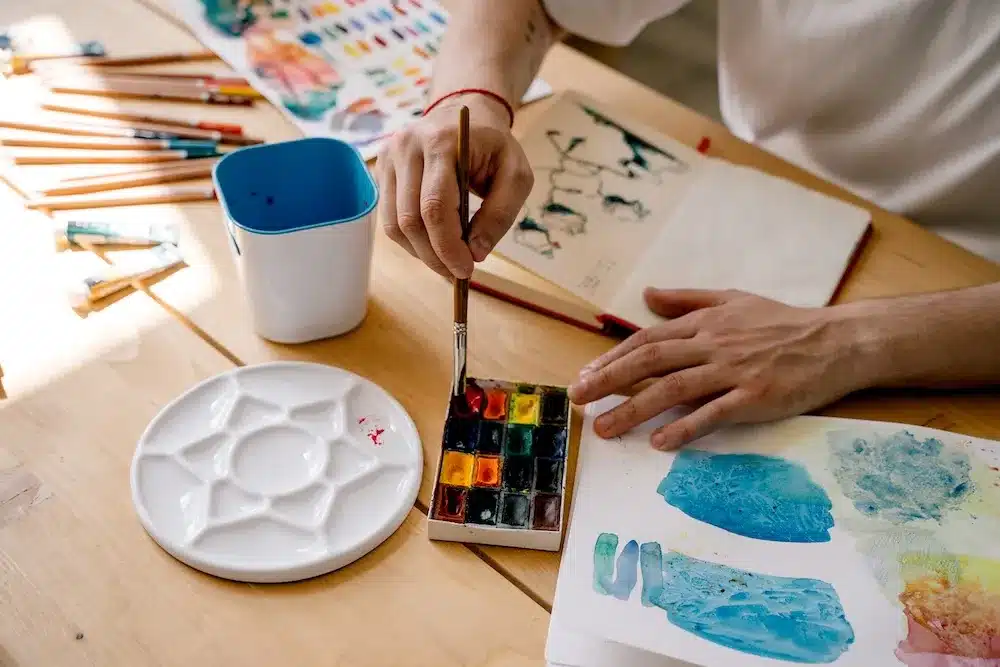
Recovery from addiction is a process that involves far more than abstaining from substances. It requires emotional healing, mental clarity, and the rebuilding of identity and purpose. Many individuals in recovery find that words alone are not always enough to express the depth of what they are experiencing. This is where creativity becomes a powerful part of healing. Art therapy offers a safe, structured, and meaningful way to process emotions, improve mental wellness, and strengthen long term sobriety. By using creativity in recovery, individuals can reconnect with themselves and build healthier ways to cope with life’s challenges.
Understanding Art Therapy in Addiction and Mental Health Treatment
Art therapy is a therapeutic approach that uses creative expression such as painting, drawing, writing, sculpture, and mixed media to support emotional and psychological healing. In addiction recovery and mental health treatment settings, it is guided by trained professionals who help individuals explore emotions in a safe and supportive environment.
This approach is often integrated into inpatient and outpatient care programs, working alongside counseling, group therapy, and individualized treatment plans. It supports a holistic model of care that addresses emotional, psychological, and sometimes spiritual needs.
Why Creativity Matters in Recovery
Addiction often develops as a response to emotional pain, trauma, or chronic stress. Over time, these experiences can become difficult to express or even fully understand.
Creative expression offers an alternative form of communication. Instead of relying only on words, individuals can express thoughts and emotions visually or symbolically. This process helps reduce emotional pressure and allows for deeper reflection and understanding.
Supporting Mental Wellness Through Creative Expression
Mental health plays a major role in addiction recovery. Conditions such as anxiety, depression, and trauma related symptoms often coexist with substance use disorders.
Art therapy supports mental wellness by encouraging mindfulness and emotional regulation. Creative activities can calm the nervous system, reduce stress, and shift attention away from negative thought patterns. This makes creativity a valuable complement to clinical therapy and psychiatric care.
How Art Therapy Strengthens Sobriety
Sobriety is not only about avoiding substances. It is about building emotional resilience, healthy coping skills, and a stable sense of self. Art therapy plays a key role in strengthening these areas.
Processing Emotions in a Healthy Way
Many individuals in recovery struggle with emotions such as guilt, anger, sadness, or fear. If these emotions are not processed, they can increase the risk of relapse.
Art therapy provides a safe outlet to explore and release these emotions. Through painting or writing, individuals can externalize what they are feeling and begin to make sense of it in a structured way.
Building Emotional Awareness and Self Regulation
One of the most important skills in recovery is emotional awareness. Creativity helps individuals slow down and observe their internal experiences.
As people engage in artistic expression, they begin to notice emotional patterns and triggers. This awareness supports healthier responses and improves emotional regulation over time.
Strengthening Coping Skills for Long Term Recovery
Recovery requires practical tools for managing stress and emotional discomfort. Art therapy provides a healthy coping strategy that individuals can use both in and outside of treatment.
Creative expression can reduce cravings, improve focus, and provide a calming outlet during difficult moments. These skills are essential for maintaining long term sobriety.
Creativity as a Path to Mental Wellness
Mental wellness is a foundation of sustainable recovery. Without it, individuals may struggle to maintain progress or feel stable in their daily lives.
Reducing Stress and Supporting Emotional Balance
Engaging in creative activities has been shown to reduce stress and promote relaxation. The process of creating art helps shift attention away from distressing thoughts and into the present moment.
This mindfulness effect supports emotional balance and helps individuals feel more grounded during recovery.
Rebuilding Identity Through Expression
Addiction can significantly impact how individuals see themselves. Many people in recovery feel disconnected from their identity or uncertain about their future.
Creative expression helps rebuild identity by allowing individuals to explore who they are beyond addiction. Through art, they can reflect on values, experiences, and personal strengths.
Encouraging Hope and Personal Growth
Creating something meaningful can inspire hope. Each artistic expression becomes a reminder that change and growth are possible.
This sense of progress reinforces motivation and encourages continued engagement in recovery.
Integrating Art Therapy Into Holistic Treatment at MandanArt
At MandanArt, addiction recovery is approached through compassionate, individualized, and holistic care. Treatment may include inpatient and outpatient programs, mental health services, counseling, and faith based support tailored to each person’s needs.
Art therapy fits naturally into this model because it supports healing across emotional, psychological, and spiritual dimensions.
Personalized Creative Healing Experiences
Every recovery journey is unique. Some individuals benefit from structured art therapy sessions led by professionals, while others prefer open creative exploration.
Personalized care ensures that each person can engage in a way that feels safe, supportive, and meaningful.
Building Community Through Shared Creativity
Group art therapy sessions also provide an important sense of connection. Sharing creative work helps individuals feel understood and supported by others in recovery.
This sense of community reduces isolation and strengthens commitment to sobriety.
Conclusion: Creativity as a Powerful Tool for Recovery
Using creativity in recovery is more than an activity. It is a pathway to emotional healing, mental wellness, and lasting sobriety. Art therapy helps individuals process emotions, build self awareness, and reconnect with their identity in meaningful ways.
If you or a loved one is seeking support for addiction or mental health challenges, MandanArt offers compassionate, individualized care designed to support the whole person. Reaching out is the first step toward healing, stability, and a healthier future built through recovery and creative expression.