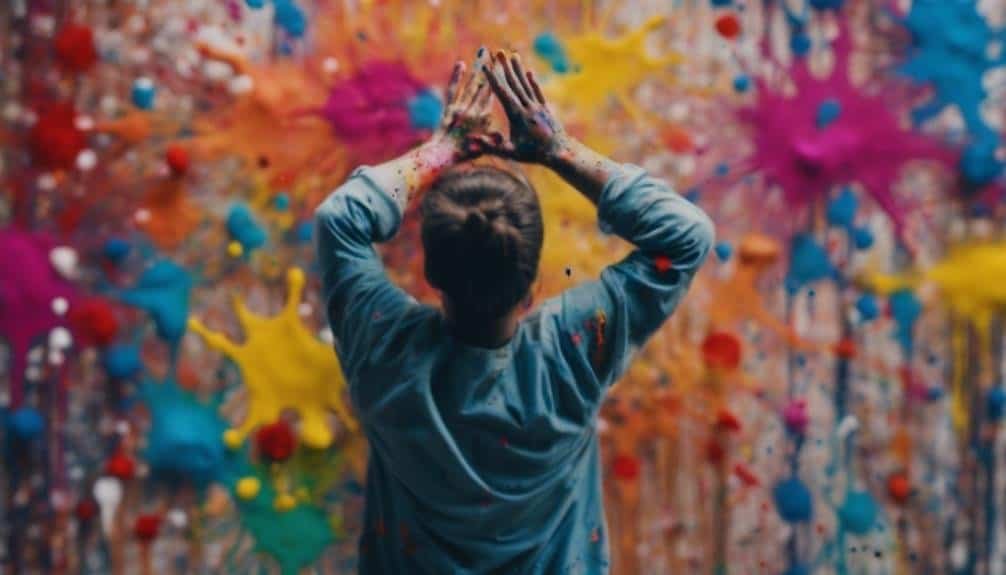
Addiction recovery is not only about breaking physical dependence. It is also about healing the mind, stabilizing emotions, and rebuilding a sense of inner balance. Many individuals entering treatment struggle with anxiety, depression, trauma, or emotional overwhelm that has been carried for years. Creative expression through art therapy offers a powerful and supportive way to address these challenges. By using creativity as part of addiction treatment, individuals can strengthen mental health, process emotions safely, and build a more stable foundation for long term recovery.
Understanding Creative Expression in Addiction Treatment
Creative expression in addiction treatment refers to the use of artistic activities such as painting, drawing, writing, and sculpture to support emotional and psychological healing. In structured treatment programs, this approach is guided by trained professionals and integrated with counseling, group therapy, and individualized care plans.
At its core, art therapy is not about artistic ability. It is about communication, reflection, and emotional release. It gives individuals an alternative way to express thoughts and feelings that may be difficult to verbalize.
Why Creativity Supports Mental Health Healing
Mental health challenges and addiction often exist together. Many individuals in recovery experience symptoms such as anxiety, depression, or unresolved trauma. These conditions can make emotional regulation more difficult and increase vulnerability to relapse.
Creative expression helps address these challenges by providing a safe emotional outlet. When individuals engage in art, they can process feelings in a non threatening way. This helps reduce emotional intensity and supports greater mental clarity.
The Role of Emotional Expression in Recovery
Unprocessed emotions often contribute to stress and instability during recovery. Without healthy outlets, these emotions can build and become overwhelming.
Art therapy allows individuals to externalize emotions through creative work. This process supports emotional awareness and helps individuals better understand what they are feeling and why. Over time, this leads to healthier emotional responses and improved mental stability.
How Art Therapy Strengthens Mental Health in Recovery
Art therapy offers several mental health benefits that directly support addiction recovery. It helps individuals regulate emotions, reduce stress, and develop healthier coping strategies.
Reducing Anxiety and Stress
Engaging in creative activities has a calming effect on the nervous system. The process of focusing on art helps shift attention away from negative thought patterns and into the present moment.
This mindful engagement can reduce anxiety and stress levels. For individuals in recovery, this provides a valuable tool for managing emotional triggers without turning to substances.
Supporting Emotional Regulation
Emotional regulation is a key part of maintaining sobriety. Art therapy helps individuals observe and process emotions in a controlled environment.
By exploring feelings through creative expression, individuals learn to recognize emotional patterns. This awareness supports better control over reactions and improves decision making during difficult moments.
Improving Self Awareness and Insight
Self awareness is essential for long term recovery. Creative expression encourages individuals to reflect on their thoughts, behaviors, and emotional responses.
Through this process, individuals often gain insight into personal triggers and underlying issues connected to addiction. This understanding is an important step toward meaningful change and sustained healing.
Integrating Art Therapy Into Holistic Addiction Treatment
At MandanArt, addiction recovery is approached through compassionate, individualized, and holistic care. This includes inpatient and outpatient treatment, mental health services, counseling, and faith based support designed to address the whole person.
Art therapy fits naturally into this model because it supports emotional, mental, and spiritual healing in a flexible and accessible way.
Personalized Creative Healing Approaches
Every recovery journey is unique. Some individuals benefit from structured art therapy sessions led by professionals, while others prefer open ended creative exploration.
Personalized care ensures that each individual can engage in a way that feels safe, supportive, and meaningful to their recovery process.
Building Connection Through Group Expression
Group art therapy sessions provide opportunities for shared healing. When individuals create and reflect together, they often feel less isolated in their experiences.
This sense of connection helps build trust, empathy, and encouragement among peers. Social support is a powerful factor in maintaining long term sobriety.
Practical Benefits of Creative Expression in Recovery
Creative expression provides practical tools that extend beyond therapy sessions. It helps individuals manage stress, improve focus, and build healthy routines.
It also encourages patience, discipline, and emotional awareness. These skills are essential for navigating life challenges without returning to substance use.
In addition, completing creative work builds confidence and reinforces a sense of progress. This helps individuals stay motivated throughout their recovery journey.
Conclusion: Strengthening Mental Health Through Creative Healing
Healing from addiction requires more than abstinence. It requires emotional stability, mental clarity, and a renewed sense of self. Creative expression through art therapy offers a powerful way to support these needs by strengthening mental health and encouraging deeper emotional healing.
If you or a loved one is seeking support for addiction or mental health challenges, MandanArt provides compassionate, individualized care designed to support full and lasting recovery. Reaching out is the first step toward healing, stability, and a healthier future built through creativity and recovery.